
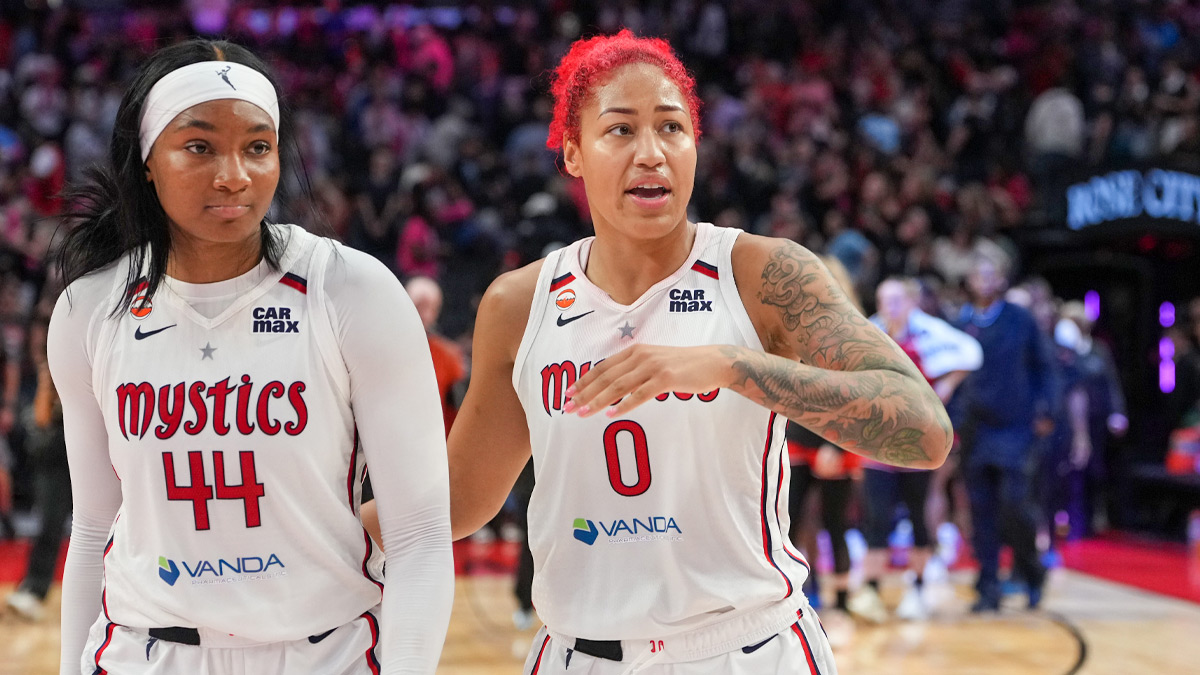
The Washington Mystics entered Wednesday night’s elimination game knowing they needed to survive or watch their 2026 WNBA Playoffs run end at home. Sadly, the Atlanta Dream delivered the knockout blow. ATL cruised to a 93-75 victory at CareFirst Arena and completed the sweep.
Washington showed flashes of the fight necessary to extend the series. Sonia Citron erupted for 25 points, and Kiki Iriafen produced a historic first-half double-double. The Mystics even mounted a gritty 14-2 second-half run that cut Atlanta’s advantage to just three points. Once the Dream turned up the pressure, however, Washington’s offense collapsed. Eleven first-half turnovers put the Mystics in an immediate hole. Jordin Canada and Allisha Gray eventually seized control down the stretch.
The defeat was not simply the result of Atlanta playing well. Washington repeatedly failed to solve the same problems that ultimately ended its season. This makes accountability unavoidable. Three figures in particular stand out after the Mystics’ frustrating postseason exit.
Georgia Amoore

When a playoff offense loses its rhythm, responsibility naturally falls on the player entrusted to organize it. For Washington, that burden belonged heavily to Georgia Amoore. The rookie guard endured a nightmare Game 2 when the Mystics needed her most.
Amoore finished with just two points on 1-of-15 shooting. That was plainly a terrible shooting line for a primary backcourt creator in an elimination game. Atlanta’s aggressive defensive pressure made every possession uncomfortable. Of course, Washington also needed Amoore to respond by creating advantages, getting into the paint, and forcing the Dream to collapse.
Instead, the Mystics struggled to generate clean looks consistently. Amoore’s inability to establish an offensive rhythm allowed Atlanta to disrupt Washington’s preferred flow. Once the Dream began forcing turnovers and speeding up the game, the Mystics needed their backcourt to provide calm and shot-making. That never arrived.
Shakira Austin
The Mystics also needed Shakira Austin to establish herself inside. Instead, she struggled to make a consistent impact. Austin finished with nine points on 3-of-9 shooting while dealing with foul trouble and difficulties within Washington’s defensive rotations. Those issues limited one of the Mystics’ most important interior weapons.
Atlanta’s defensive pressure was clearly designed to make life difficult for Washington’s perimeter players. That placed even greater importance on the Mystics being able to punish the Dream inside. Austin had the physical tools to provide that counterpunch. However, she never consistently established herself as an offensive focal point.
A nine-point performance on inefficient shooting is not enough from a player expected to anchor the paint. Washington needed Austin to force Atlanta to respect the interior. Instead, the Dream controlled too much of the game’s physical rhythm.
Mystics coaching staff
Article Continues BelowPlayers deserve accountability, sure. Washington’s coaching staff, though, also had to find answers once Atlanta’s pressure began overwhelming the Mystics.
The warning signs appeared early. Washington committed 11 turnovers in the first half. That gave the Dream exactly the opportunities needed to establish momentum. Atlanta repeatedly pressured ball-handlers and disrupted passing lanes. And yet, the Mystics struggled to find reliable counters.
Then came Washington’s impressive 14-2 run. For a brief stretch, the Mystics demonstrated the formula that could have changed the game: defensive pressure, increased urgency, and better offensive execution. They pulled within three points and had the home crowd believing a comeback was possible.
But Atlanta responded, and Washington could not sustain its momentum. That is where the tactical questions become unavoidable. The Mystics needed adjustments to counter Atlanta’s traps and transition attack. However, the offense repeatedly became stagnant. The defensive breakdowns also became more damaging as Canada and Gray found opportunities to take over late.
Major weaknesses
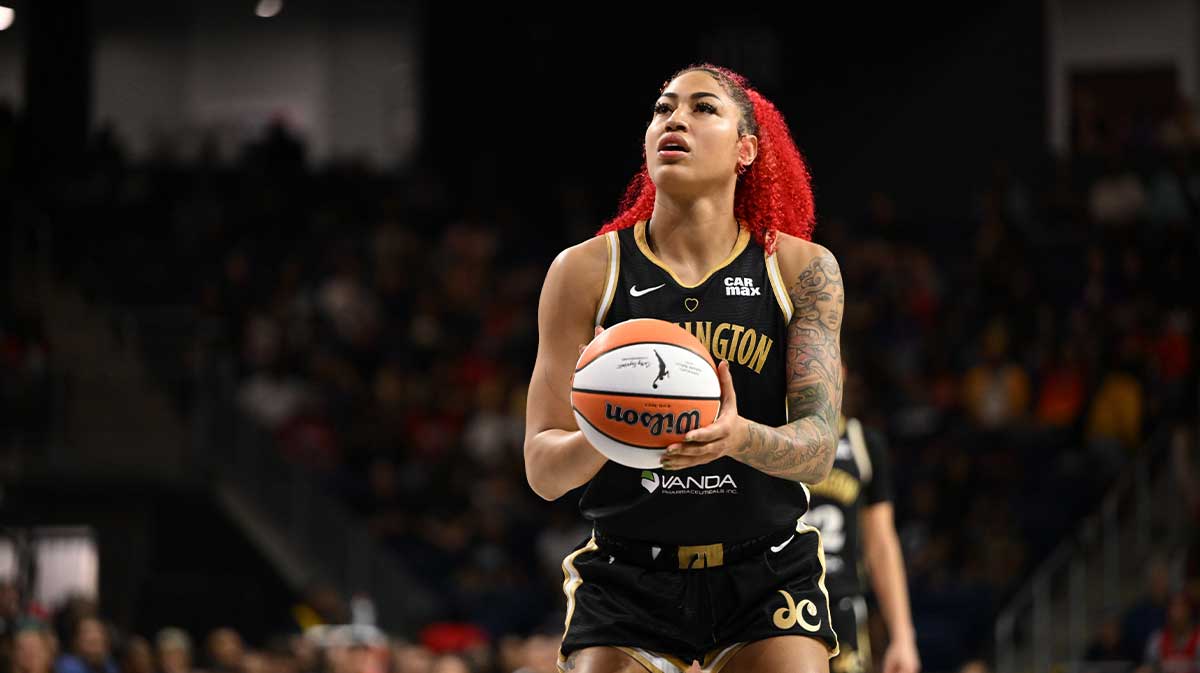
The Mystics’ 93-75 loss was the culmination of problems Atlanta consistently exploited. Washington turned the ball over far too often. The Mystics struggled to create efficient offense. When the Dream made their decisive push, the Mystics had no reliable counter.
Citron’s 25 points and Iriafen’s historic first-half performance showed that Washington had enough individual talent to compete. Of course, postseason basketball demands collective execution, not just individual brilliance.
Amoore’s shooting struggles, Austin’s limited interior impact and the coaching staff’s inability to adjust all contributed to the same outcome: Atlanta dictated the game when it mattered most.