
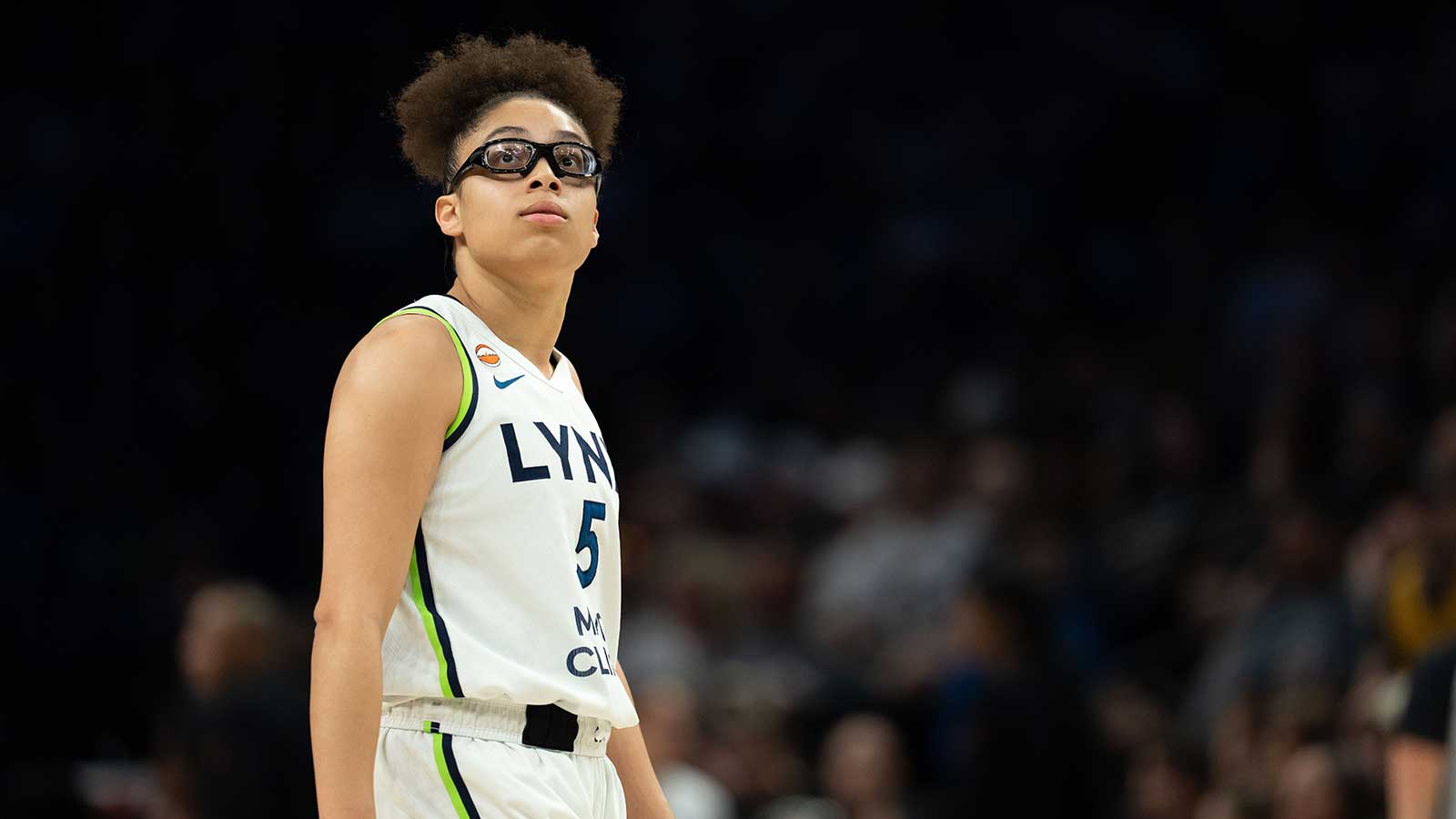
The Minnesota Lynx spent the entire 2026 WNBA season looking like a team destined for a deep playoff run. Sadly, they just watched that championship dream disappear in the opening round. After establishing themselves as the league's best regular-season team, the Lynx were stunned by the eighth-seeded New York Liberty. The latter completed a first-round sweep Tuesday with an 87-71 victory. New York became the first No. 8 seed in WNBA history to eliminate a No. 1 seed.
For Minnesota, the disappointment is magnified by the sheer scale of what came before it. The Lynx were not merely a good team that suffered an early exit. They were a 33-win juggernaut that spent months establishing themselves as the ones to beat. Three figures within Minnesota's operation bear the brunt of responsibility for a collapse that happened far too quickly.
Stunning ending
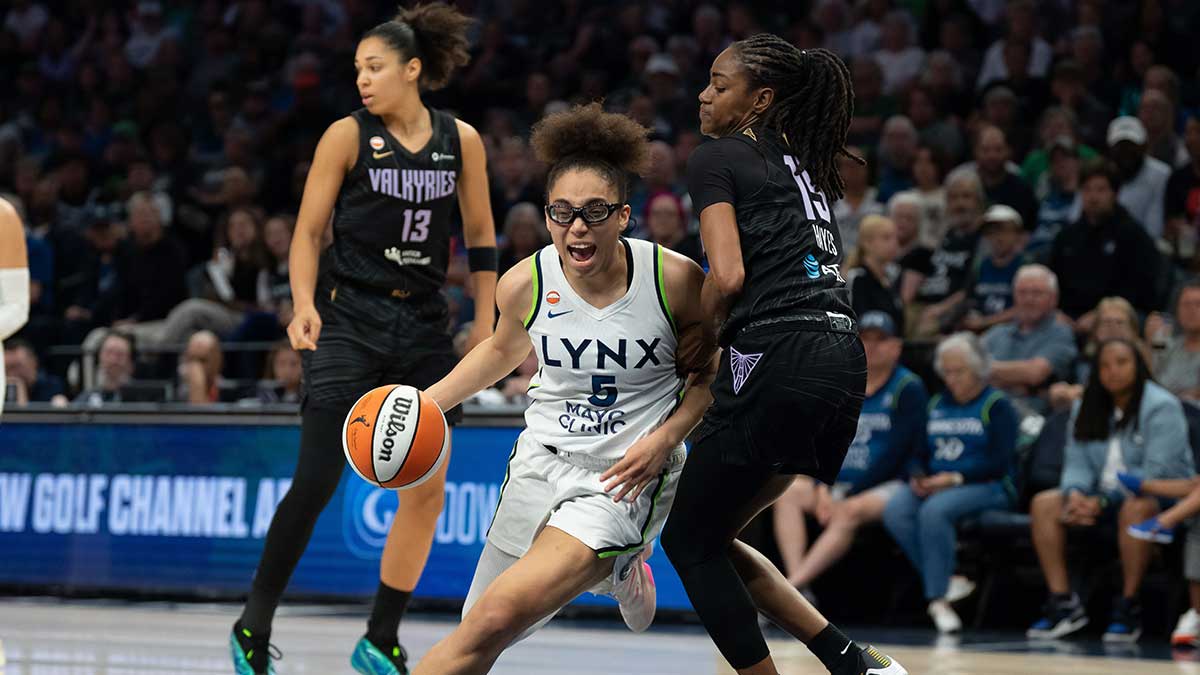
The Lynx claimed the league's best record at 33-11 and securing the top overall playoff seed. The historic campaign was highlighted by major individual and organizational accolades. Those included Cheryl Reeve capturing Coach of the Year and star backcourt addition Olivia Miles earning unanimous Rookie of the Year honors. Reeve's award was the fifth of her career, extending her WNBA record. Miles averaged 19.8 points, 6.0 assists, and 4.7 rebounds and set the league's rookie scoring record with 790 points. However, New York's physical defense, experienced core, and ability to dictate the terms of their series exposed vulnerabilities that Minnesota rarely showed during the regular season.
Olivia Miles
When a team falls short on the grandest stage, the microscope invariably turns toward the primary orchestrators. Miles simply picked the worst possible time to hit a wall. The rookie guard had been one of the biggest reasons Minnesota reached the No. 1 seed. She was the offensive catalyst who gave the Lynx another dynamic creator alongside Napheesa Collier. But against New York, that regular-season brilliance never translated consistently enough to keep the offense functioning.
The Liberty's length and physicality disrupted the spaces Miles had exploited throughout the season. In Game 2, she managed only five points on 1-of-8 shooting in 17 minutes. Minnesota's offense struggled to generate clean looks. That production was a dramatic departure from the player who had averaged nearly 20 points and six assists during the regular season.
Minnesota needed Miles to bend the defense and accelerate transition opportunities. Instead, the Liberty repeatedly forced the Lynx into uncomfortable offensive situations.
For Minnesota, Miles' inability to find her rhythm became a major problem. The Rookie of the Year deserved credit for everything she accomplished during an extraordinary regular season. The playoffs, though, demanded another level of control. Minnesota did not get it.
Coach Cheryl Reeve
Reeve must take her share of responsibility for Minnesota's failure to solve the Liberty. This is an acknowledgment that the Lynx were presented with a completely different problem in the playoffs. Minnesota did not produce enough answers.
New York's defensive pressure repeatedly made Minnesota's offense look static. The Liberty's physicality around the paint and ability to pressure perimeter actions disrupted the Lynx's preferred rhythm. Minnesota just struggled to manufacture consistent counters. Game 2 was particularly revealing. New York never trailed and pulled away decisively in the second half.
Article Continues BelowReeve's résumé makes the result even more frustrating. She has won four championships and has spent years demonstrating an ability to adapt when playoff series become chess matches. Against New York, though, Minnesota needed more offensive creativity and greater flexibility when its initial plans stopped working. The Liberty dictated where the game would be played. Reeve & Co. could not set their own pace.
Napheesa Collier
As Minnesota's established centerpiece, Napheesa Collier was always going to carry enormous responsibility once the playoffs began. She needed to be the stabilizing superstar. Instead, Collier struggled to impose herself consistently on the series.
In Game 2, she finished with 14 points on 6-of-14 shooting. New York's physical interior defense made her preferred scoring areas increasingly difficult to access. The Liberty's combination of Jonquel Jones, Breanna Stewart and disciplined help defense forced Collier into contested opportunities. She did not get the efficient looks that made her so dangerous during the regular season.
Collier did battle on the glass and remained involved defensively. However, the Lynx needed more from their franchise centerpiece. In a best-of-three series, there is no time to wait for a superstar to rediscover her rhythm. New York exploited Minnesota's inability to consistently generate offense through its biggest star.
Uncomfortable offseason
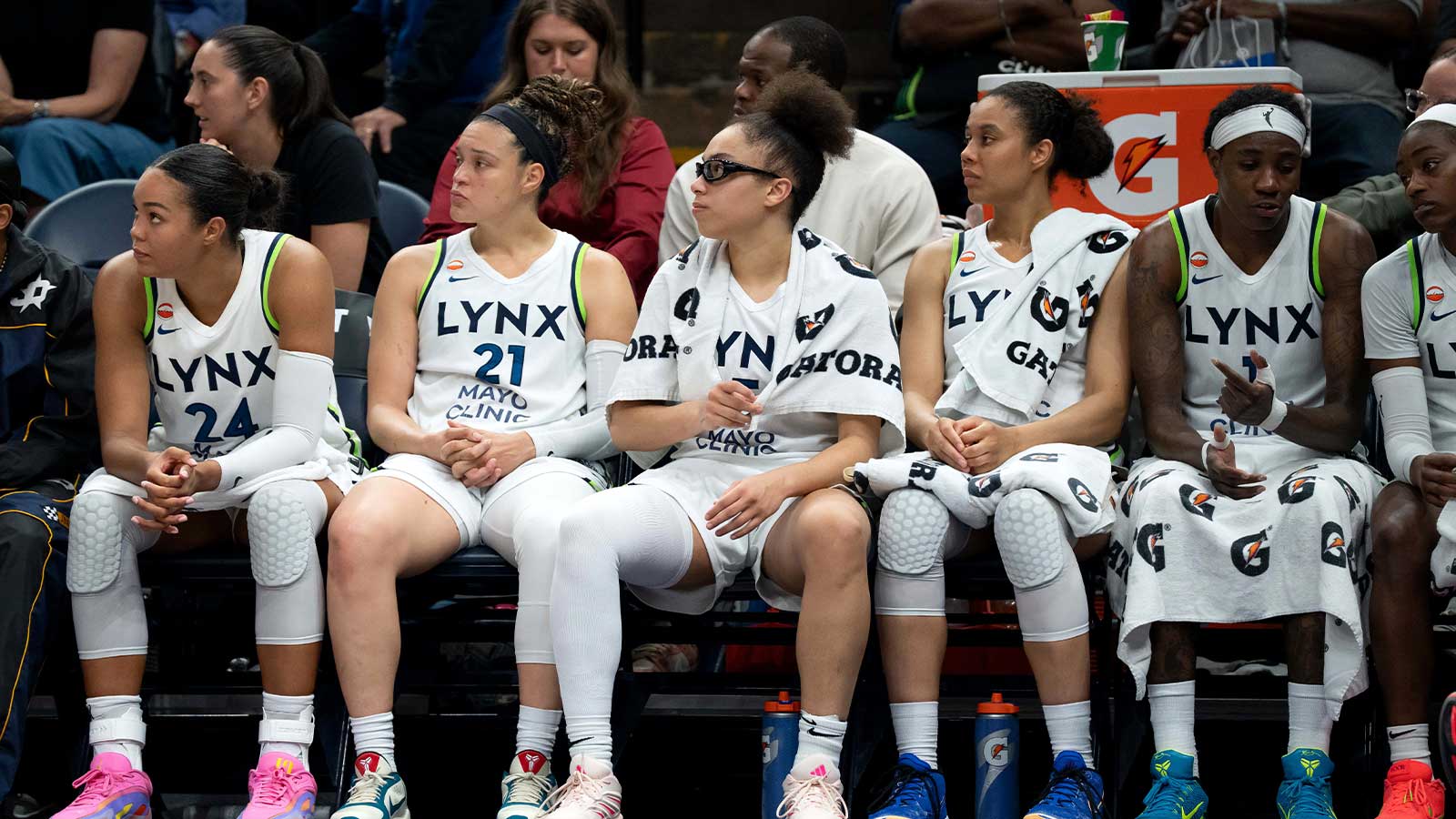
Minnesota's collapse should not erase what was an extraordinary regular season. A 33-11 record and the No. 1 seed are no jokes. A record fifth Coach of the Year award for Reeve and a unanimous Rookie of the Year campaign from Miles represent a remarkable foundation. That said, championships are ultimately measured in the postseason. The Liberty exposed problems the Lynx could not solve quickly enough.
Miles needs to learn from her first playoff experience. Reeve must determine how to create more counters when elite defenses take away Minnesota's preferred actions. Collier has to find a way to remain the offensive force the Lynx need when playoff defenses become significantly more physical.
The regular season proved Minnesota could dominate over 44 games. The Liberty proved that none of it mattered once the games became win-or-go-home. That is the brutal lesson the Lynx will carry into the offseason.