


.jpeg)

-(1).jpeg)





Why not signing Framber Valdez will be Astros’ biggest offseason regret
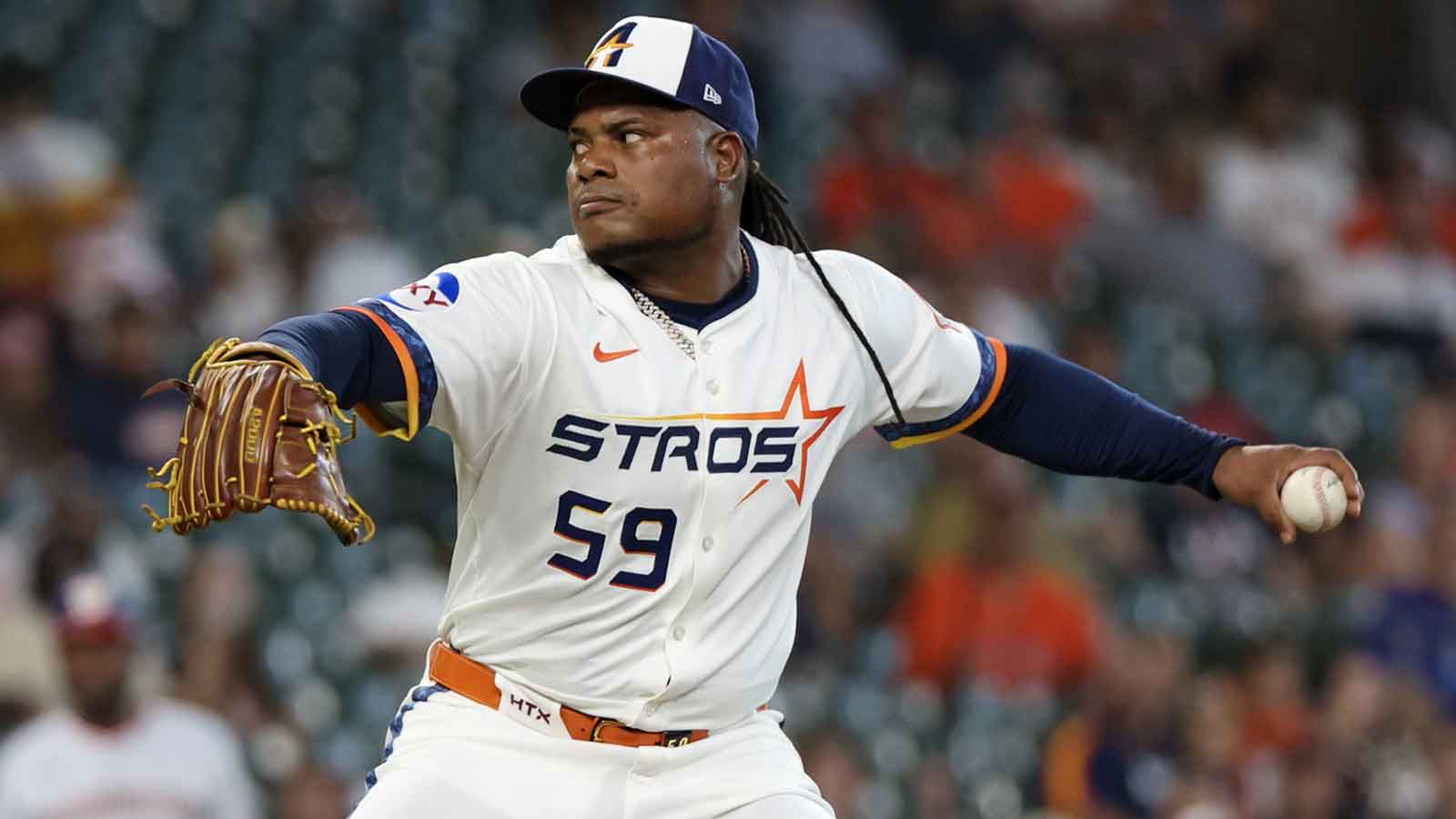
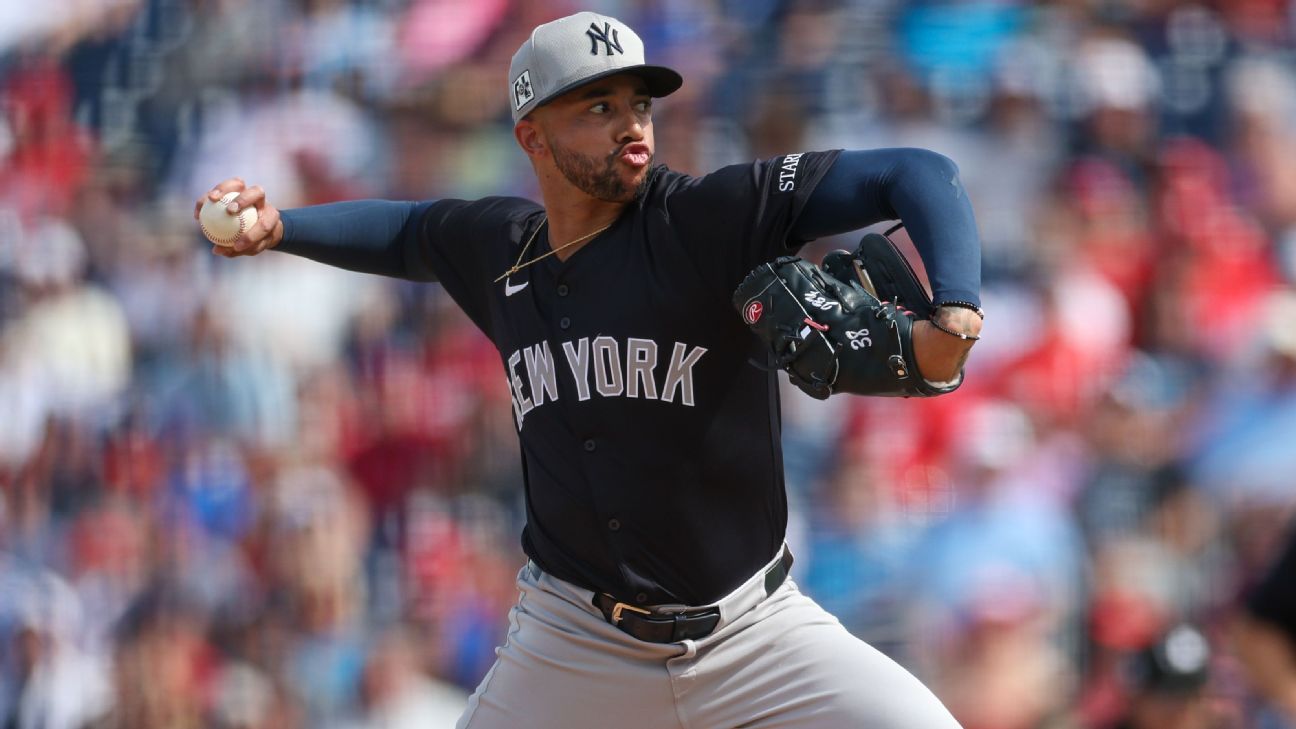
Framber Valdez became the defining decision of the Houston Astros’ offseason, and the consequences are already impossible to ignore. When the left-handed ace signed elsewhere, Houston willingly accepted risk in exchange for restraint. That gamble now looks costly. Valdez represented stability in an era defined by pitching volatility, and removing that anchor places enormous strain on a rotation already navigating health concerns and workload uncertainty entering 2026.
The 32-year-old pitcher closed his eight-year run with the Astros as the organization’s most reliable arm. From 2022 through 2025, he averaged more than 190 innings per season—a rare achievement in the modern game. No returning pitcher on the roster matches that level of durability. The rotation now leans heavily on younger arms and medical projections rather than proven volume. While the shift preserves payroll flexibility, it eliminates the safety net that protected the bullpen and stabilized series planning throughout the regular season.
The decision appears even more consequential when viewed through the lens of where Valdez landed. He joined the Detroit Tigers on a three-year, $115 million contract, forming one of baseball’s most imposing left-handed pairings alongside Tarik Skubal. That duo instantly elevated a roster already trending upward. The Tigers invested aggressively to maximize a competitive window, while the Astros pivoted toward depth accumulation. The contrast underscores how differently both franchises evaluated the same asset at the same moment.
The Astros’ replacement strategy is rooted in uncertainty. Hunter Brown steps into the de facto ace role. Spencer Arrighetti remains a developmental piece. Tatsuya Imai arrives from Japan with promise but no MLB track record. Cristian Javier and Lance McCullers Jr. return from major injuries. Together, the group offers upside but limited predictability. The Astros’ starting pitching depth lacks a true innings-eater, increasing the risk of bullpen fatigue and midseason scrambling if workloads spike earlier than anticipated.
Handedness further compounds the issue. Valdez was Houston’s only consistent left-handed starter, a critical matchup weapon against division rivals built with left-handed power. Without him, opposing lineups gain leverage in October-style series long before the postseason begins. The rotation now skews almost entirely right-handed, narrowing tactical flexibility and increasing exposure against teams designed to exploit platoon advantages.
That imbalance carries postseason consequences. The Astros built their recent October success on matchup control and ground-ball suppression, both hallmarks of Valdez’s profile. Without a comparable counterweight, the Astros must win with precision rather than leverage, shrinking their margin for error against elite opponents in high-stakes playoff environments each October series.
Financially, the Astros gained only marginal relief. Because the southpaw rejected a qualifying offer, the team receives a compensatory draft pick after the fourth round due to its luxury tax status. That return does little to offset the loss of elite production. Draft capital rarely replaces frontline pitching in the short term, especially for a team operating within a narrowing contention window. This offseason regret will not be measured in dollars saved, but in innings lost.
Valdez was more than a starter. He was the foundation of Houston’s rotation. His absence forces the Astros to manage games differently, protect arms earlier, and accept higher volatility across a 162-game season. In a league where durability separates contenders from pretenders, letting that stability walk may define Houston’s 2026 season more than any move they made.
The post Why not signing Framber Valdez will be Astros’ biggest offseason regret appeared first on ClutchPoints.
What's Your Reaction?
 Like
0
Like
0
 Dislike
0
Dislike
0
 Love
0
Love
0
 Funny
0
Funny
0
 Angry
0
Angry
0
 Sad
0
Sad
0
 Wow
0
Wow
0