





Jets’ 7-round 2026 NFL Draft according to PFF mock draft simulator after NFL Combine
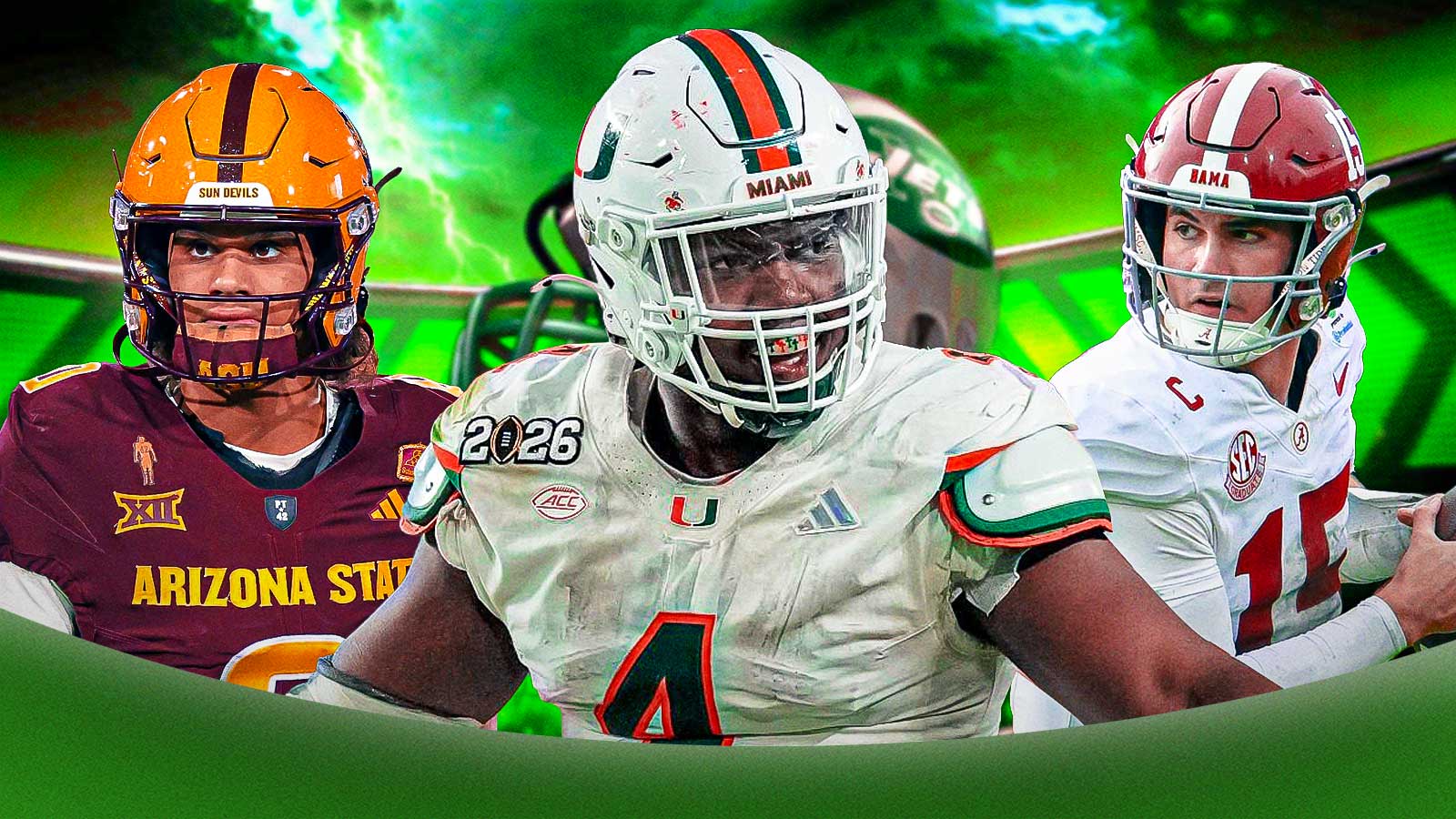
Few teams enter the 2026 NFL Draft with more intrigue than the New York Jets. They have two first-round selections and will operate under the new leadership of general manager Darren Mougey and head coach Aaron Glenn. The roster still contains blue-chip talent, but instability at quarterback and depth concerns across the roster demand a calculated approach. Using the PFF mock draft simulator after the NFL Combine, this projected seven-round haul reflects a franchise attempting to reestablish its identity with defensive physicality, offensive playmakers, and long-term quarterback development.
Draft priorities
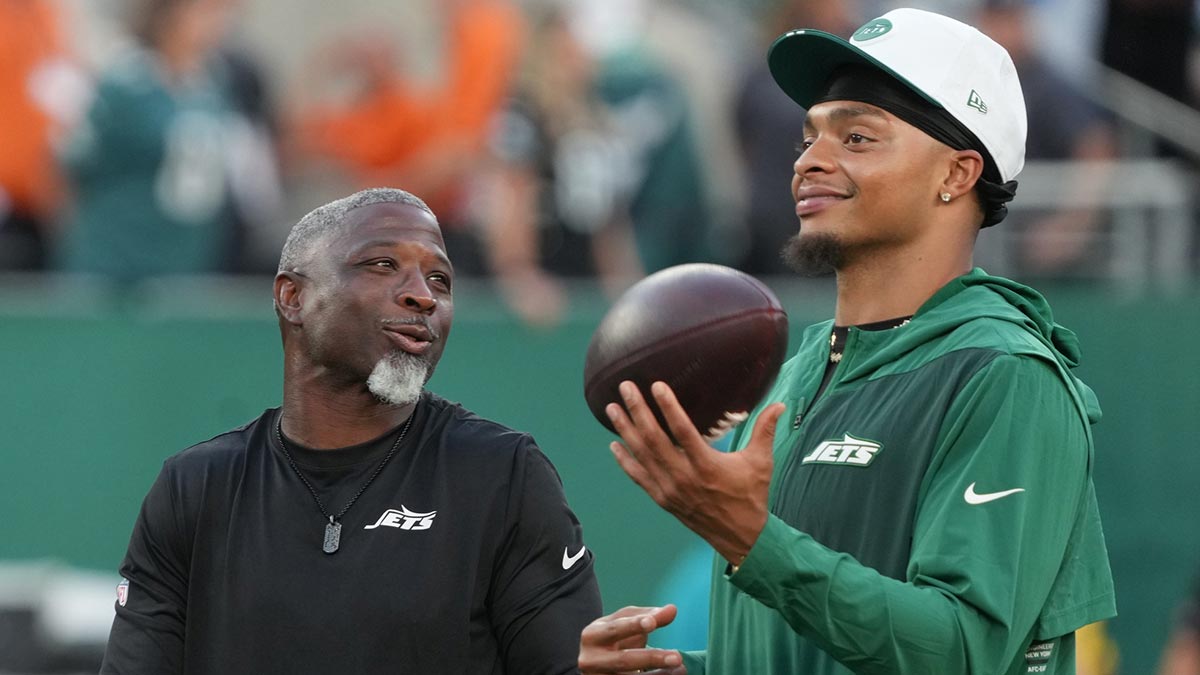
Heading into the 2026 NFL Draft, the Jets face several foundational decisions. The most pressing question remains quarterback. Sure, the team has explored multiple options. However, stability under center remains elusive. That makes prospects such as Alabama’s Ty Simpson potential solutions. Defensively, the departure of key figures has left multiple holes. The trade of star defensive tackle Quinnen Williams has created a major void in the interior defensive line. Linebacker depth also remains uncertain with Quincy Williams entering free agency. Meanwhile, the secondary continues to evolve after the franchise moved on from elite corner Sauce Gardner. On offense, the Jets must also add a complementary weapon to Garrett Wilson in order to expand the passing attack. With premium draft capital, New York has the opportunity to address multiple roster pillars in a single draft class.
Round 1, pick 2: EDGE Rueben Bain Jr, Miami (FL)
The Jets open their draft by reinforcing the defensive front with Rueben Bain Jr. He is one of the most technically refined pass rushers available. Bain possesses a powerful frame and remarkable hand speed. That allows him to disengage quickly even against longer offensive tackles.
Yes, his arm length may fall slightly below prototypical measurements. Still, Bain compensates with explosive hand usage and leverage. His versatility to line up across multiple defensive fronts fits perfectly within Glenn’s defensive philosophy. In New York, Bain has the potential to become a foundational piece of the defensive rebuild.
Round 1, pick 16: WR Jordyn Tyson, Arizona State
With their second first-round selection, the Jets pivot to offense. Jordyn Tyson brings playmaking versatility and physical competitiveness to the receiving corps. Though slightly undersized, Tyson consistently plays stronger than his frame suggests.
He excels at contested catches and demonstrates strong blocking effort. Those traits will appeal to a coaching staff seeking toughness from its skill players. Tyson’s inside-out versatility allows him to line up in multiple spots. That should create matchup advantages opposite Garrett Wilson.
Round 2, pick 33: QB Ty Simpson, Alabama
The Jets’ long-term quarterback plan comes into focus with Ty Simpson. He possesses intriguing athletic tools, including mobility and escapability that allow him to extend plays.
However, his development remains incomplete. Simpson must improve his anticipation, processing speed, and overall consistency to succeed at the professional level. The Jets appear willing to invest time in his development. They will bet on his physical upside and leadership potential.
Round 2, pick 44: CB Keionte Scott, Miami (FL)
Scott brings an aggressive and versatile play style to the secondary. His physicality near the line of scrimmage makes him particularly effective against the run. Scott’s ability to blitz off the edge and close quickly on ball carriers adds another dimension to his game. Sure, his ball production has been inconsistent. His tackling reliability and football character, though, make him a strong candidate to develop into a starting nickel corner.
Round 4, pick 103: DL DeMonte Capehart, Clemson
Capehart adds much-needed size and length to the defensive interior. His collegiate career may have featured mostly rotational snaps. However, his physical traits make him an intriguing run-stuffing presence. As a nose tackle in a 3-4 defensive front, Capehart can occupy blockers and free up linebackers. Yes, his pass-rush production remains limited. That said, his role as a rotational anchor could provide immediate value.
Round 5, pick 175: EDGE Max Llewellyn, Iowa
Llewellyn enters the league with strong technical awareness as a pass rusher. Despite limited starting experience, he demonstrates a solid understanding of how to set up moves throughout the course of a game. His biggest challenge lies in improving pad level and run defense discipline. If those areas develop, Llewellyn could evolve into a situational pass-rush contributor.
Round 5, pick 178: C Pat Coogan, Indiana
Coogan offers reliability along the interior offensive line. His strengths lie in angles and executing assignments within the structure of the play. Sure, he lacks elite athletic traits or power. However, Coogan’s intelligence and consistency project him as a dependable interior depth option capable of spot starts when needed.
Round 6, pick 193: CB Jadon Canady, Oregon
Canady’s versatility makes him a valuable defensive chess piece. Having played safety, nickel, and cornerback throughout his career, he brings adaptability to the secondary. His energy and physical style could make him a contributor on special teams while providing depth in multiple defensive roles.
Round 6, pick 207: S Isaiah Nwokobia, SMU
Nwokobia projects as a physical strong safety who excels when attacking downhill. His tackling ability and run-defense consistency stand out. On the flip side, his athletic ceiling may limit coverage range. In New York’s defense, he could carve out a role as a rotational safety who adds toughness to the back end.
Round 6, pick 210: WR Dane Key, Nebraska
Key offers positional versatility across the receiver formation. His size and reliable hands allow him to compete effectively in contested situations. Yes, his explosiveness may not match elite NFL receivers. Still, Key’s route nuance and catch reliability provide valuable depth.
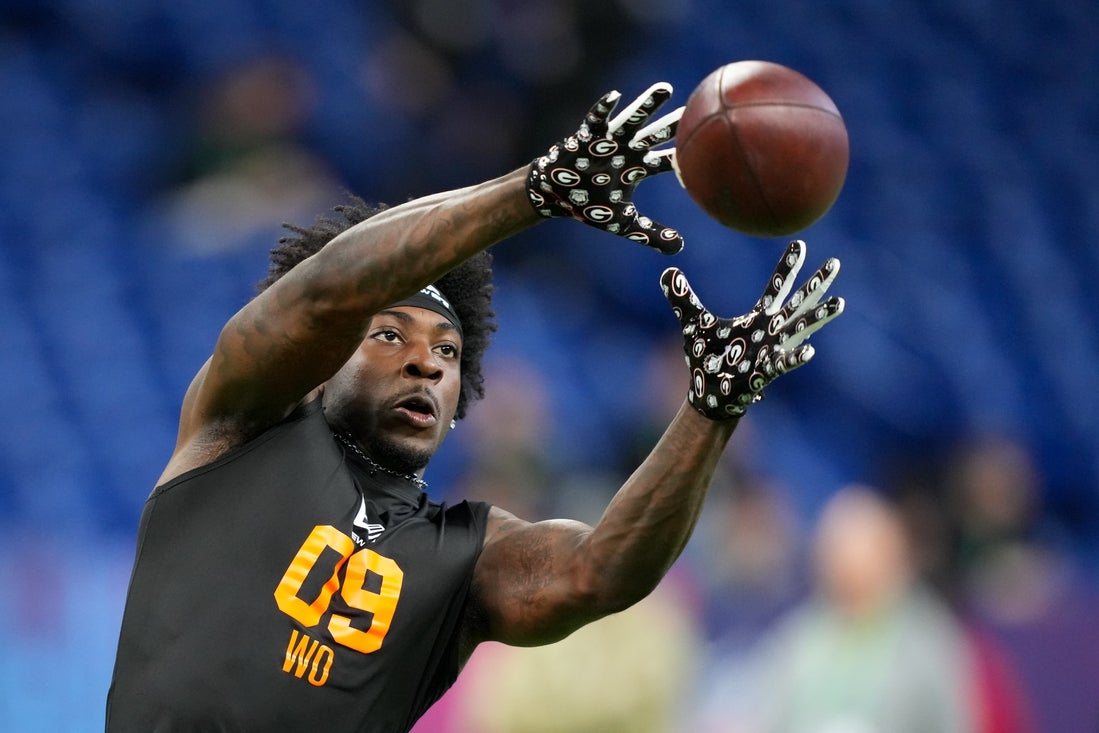
Round 7, pick 218: WR Colbie Young, Georgia
Young brings intriguing size, strength, and a wide catch radius. His ability to win contested catches makes him a potential red-zone threat. However, teams will evaluate both his route-running development and off-field background before committing to a long-term role.
Round 7, pick 242: DL Deven Eastern, Minnesota
Eastern closes the class as a developmental defensive lineman with intriguing length and movement ability. His ability to slip blocks and penetrate gaps flashes potential. That said, consistency and pad level remain areas of improvement.
Bold, balanced rebuild

This projected Jets draft class reflects a franchise attempting to rebuild its identity from the inside out. By adding defensive front talent, a developmental quarterback, and multiple receiving options, New York begins laying the foundation for a more balanced roster. If even a handful of these selections reach their potential, the Jets could emerge from this rebuild with renewed direction and perhaps a long-awaited return to competitiveness.
The post Jets’ 7-round 2026 NFL Draft according to PFF mock draft simulator after NFL Combine appeared first on ClutchPoints.
What's Your Reaction?
 Like
0
Like
0
 Dislike
0
Dislike
0
 Love
0
Love
0
 Funny
0
Funny
0
 Angry
0
Angry
0
 Sad
0
Sad
0
 Wow
0
Wow
0