



.jpeg)
-(1).jpeg)




Buccaneers’ 7-round 2026 NFL Draft according to PFF mock draft simulator
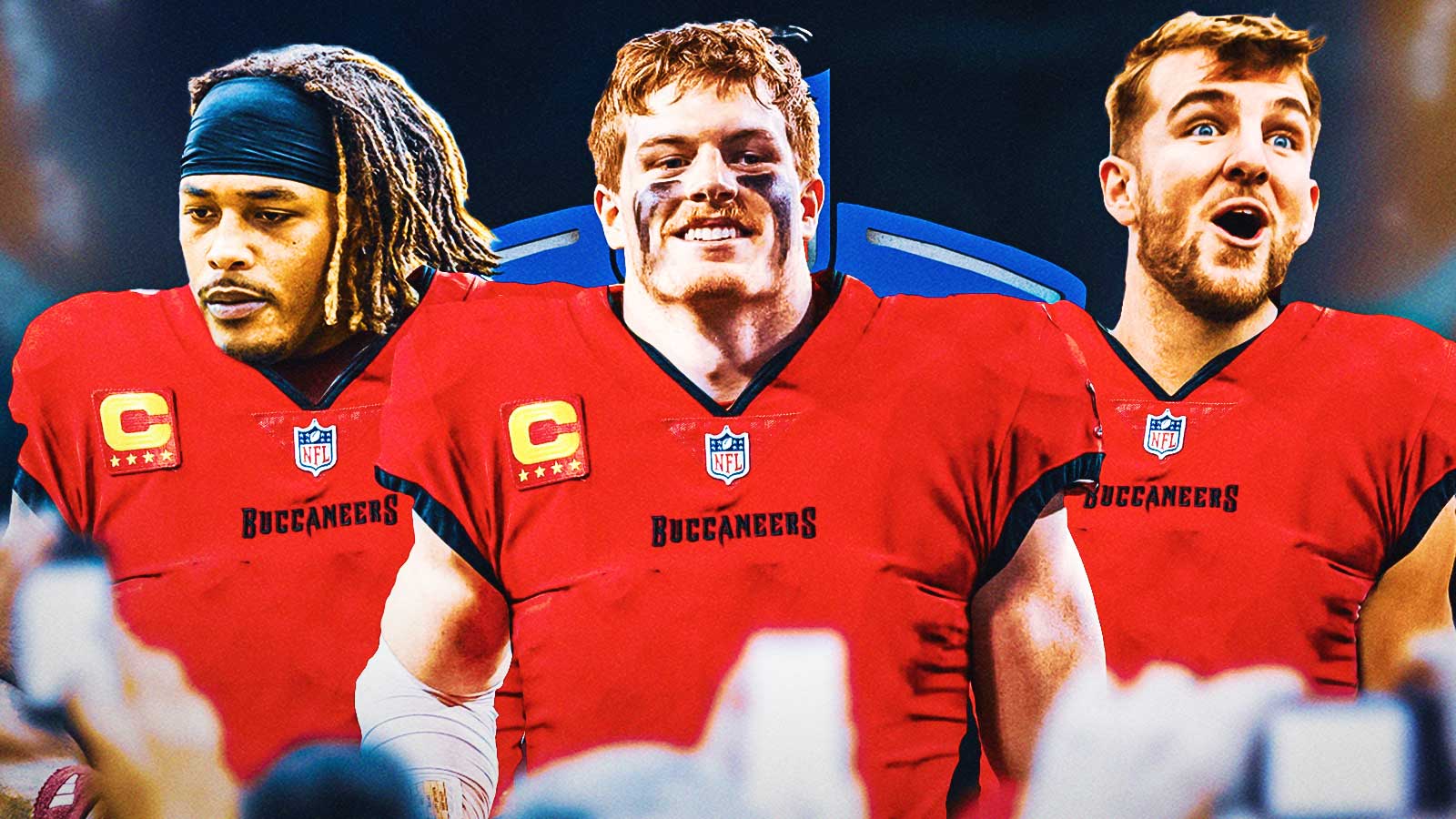
The Tampa Bay Buccaneers have a roster on the brink of its next identity. The 2026 NFL Draft, therefore, arrives at a revealing moment. No longer rebuilding, but not quite contending, Tampa Bay sits in quite the uncomfortable middle ground. The foundation remains competitive, yet the margins separating playoff-caliber teams from true threats have never been thinner. Using the PFF mock draft simulator, this seven-round haul reflects a franchise intent on sharpening those margins.
Season recap and draft priorities
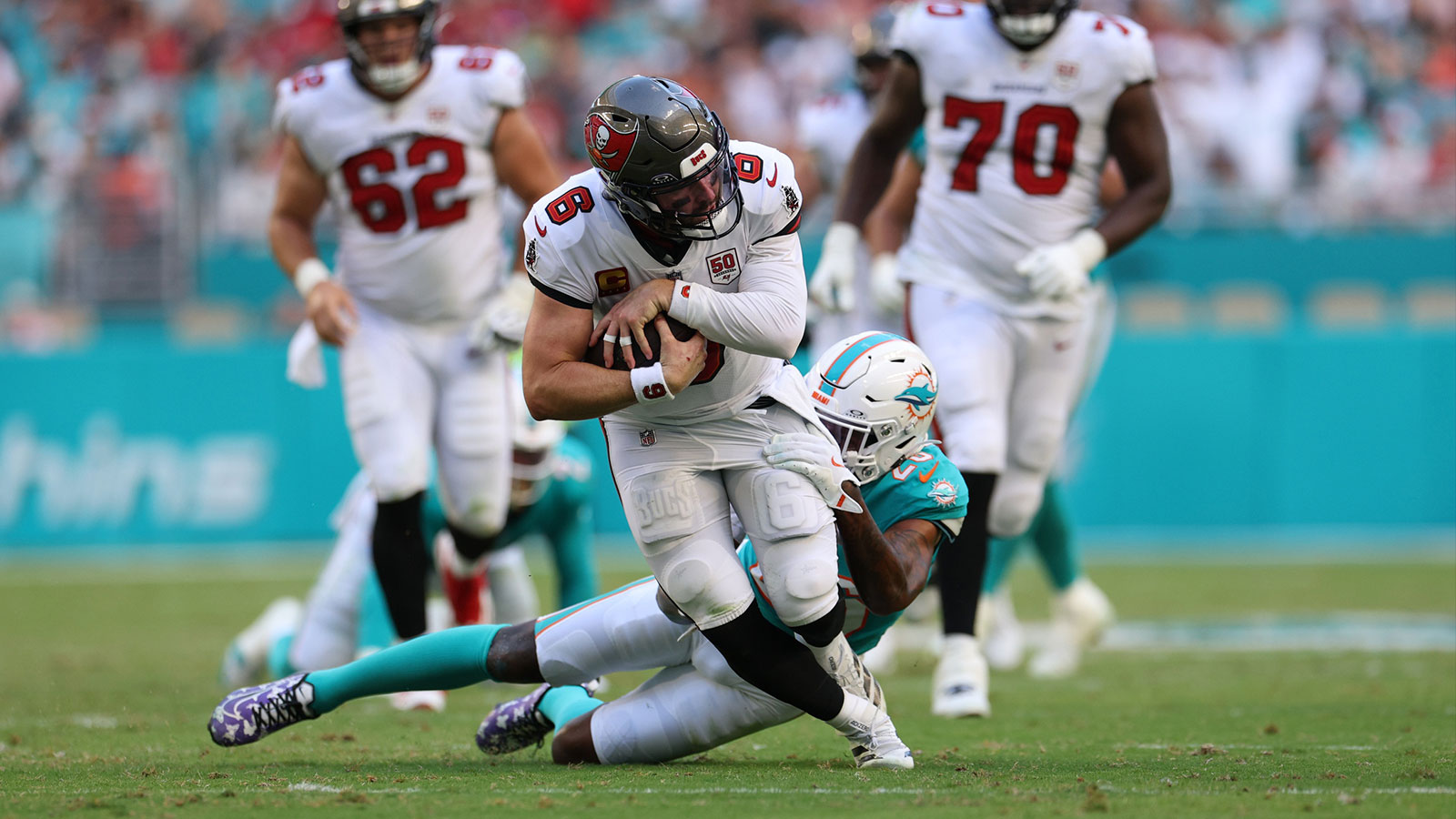
The Buccaneers’ 2025 season was a gritty, uneven campaign that reflected a franchise caught between continuity and transition. They finished with a middling record that kept them competitive in the NFC South race but short of the postseason. Tampa Bay’s offense showed flashes of explosiveness, particularly when the passing game was in rhythm. However, inconsistency up front and a lack of reliable middle-of-the-field targets often stalled drives at critical moments. Defensively, the Buccaneers remained physical but struggled to generate steady edge pressure. They surrendered too many chunk plays in the secondary. That exposed depth issues at cornerback and linebacker.
As the team turns toward the 2026 NFL Draft, the needs are clear. They must add a complete tight end who can contribute as both a blocker and safety valve in the passing game. Th Bucs also needto reinforce the interior offensive line at guard and inject fresh edge talent to revive the pass rush. They would also benefit from bolstering defensive line depth, finding a rangy linebacker, and upgrading at cornerback.
Round 1, pick 15: Cashius Howell, EDGE, Texas A&M
Howell represents Tampa Bay’s clearest philosophical swing in this mock. Sure, he may not fit the prototype of a classic power edge. His competitiveness and evolving pass-rush toolkit, though, make him a viable outside linebacker option in a 3-4 front. His inside counter move flashes real promise. In addition, his run defense gives him early-down utility. Cleaning up his false step could unlock more explosiveness. Even now, however, Howell provides rotational pressure. That’s something the Buccaneers sorely lacked in key stretches of 2025.
Round 2, pick 46: Jake Golday, LB, Cincinnati
Golday is a projection pick that aligns with Tampa Bay’s long-term vision at linebacker. His limited experience at the position is balanced by his athletic ceiling and rapid developmental curve. The jump he made from 2024 to 2025 suggests coachability and adaptability. Those traits matter as much as instincts at the second level. Golday may not be a plug-and-play solution. Still, he offers the rangy profile Tampa Bay needs to modernize its defense.
Round 3, pick 77: Max Klare, TE, Ohio State
Klare feels like the offensive pivot point of this class. His receiving production and route-running nuance immediately address Tampa Bay’s struggles over the middle of the field. He separates with fluidity and understands leverage. These make him a natural target in rhythm passing concepts. The blocking remains inconsistent, but that shortcoming is coachable. If Klare improves in-line reliability, he has the traits to become a central piece of the Buccaneers’ passing attack.
Round 4, pick 116: Josh Cuevas, TE, Alabama
Cuevas complements Klare rather than duplicates him. His value lies in reliability. He shows solid hands, effort as a blocker, and special teams contribution. Tampa Bay doubling down at tight end reflects a recognition that versatility at the position is no longer optional. Cuevas may never headline the offense, but his floor makes him valuable on winning rosters.
Round 5, pick 153: George Gumbs Jr, EDGE, Florida
Gumbs adds depth and early-down toughness to the edge rotation. His background as a former offensive player shows in his understanding of blocking schemes and positional awareness. Yes, his pass-rush ceiling is modest. Despite that, his ability to set edges and play assignment-sound football fits Tampa Bay’s need for functional, reliable snaps.
Round 6, pick 193: DJ Harvey, CB, USC
Harvey is a classic late-round corner bet on instincts. He lacks elite size and athletic traits. However, his coverage intelligence allows him to stay in phase and disrupt passing lanes. Tampa Bay’s secondary needs exactly this type of player. They need someone who consistently understands spacing and timing.
Round 7, pick 229: Seydou Traore, TE, Mississippi State
Traore is the most intriguing developmental swing in the class. His unique background and rare wingspan immediately stand out. He offers red-zone and mismatch potential that cannot be taught. Sure, he remains raw in technique and nuance. Tampa Bay, though, can afford patience here. Late in the draft, upside bets like Traore are how teams uncover unexpected contributors.
Layers not headlines
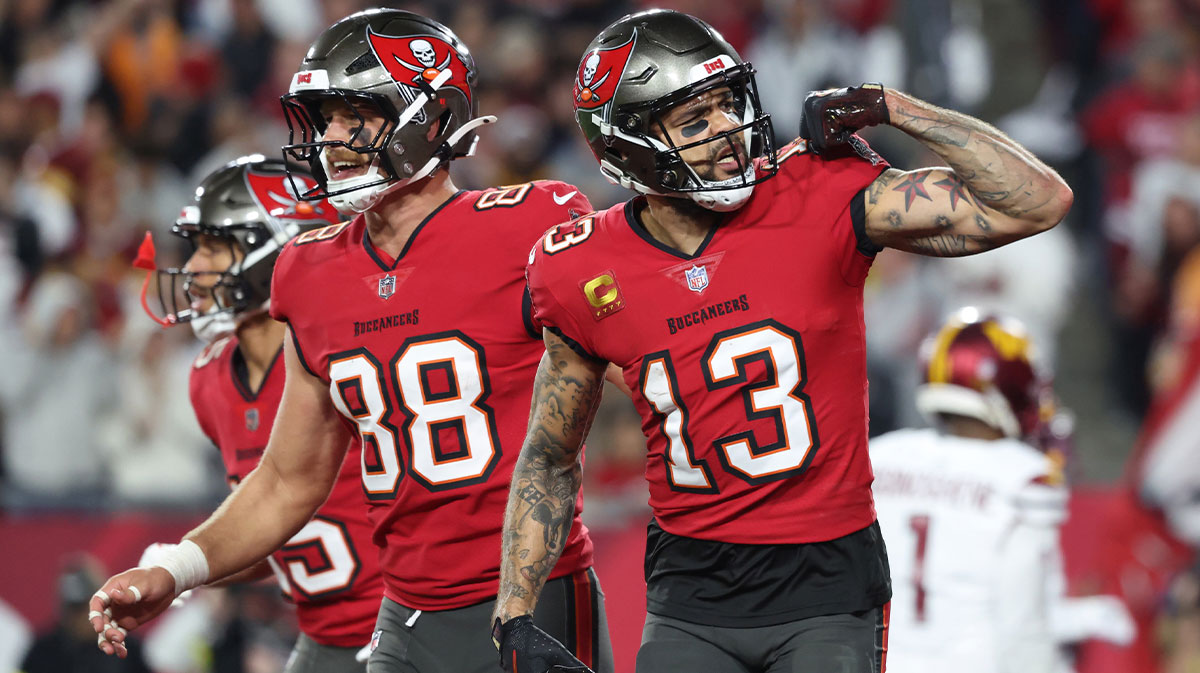
This PFF mock draft reflects a Buccaneers team choosing substance over spectacle. Tampa Bay addresses edge pressure, linebacker range, tight end versatility, and secondary depth. They do all that while maintaining flexibility for future seasons. There is no single pick that promises instant transformation. Collectively, however, this class tightens the roster’s weakest seams. That may be exactly the kind of progress that matters most.
The post Buccaneers’ 7-round 2026 NFL Draft according to PFF mock draft simulator appeared first on ClutchPoints.
What's Your Reaction?
 Like
0
Like
0
 Dislike
0
Dislike
0
 Love
0
Love
0
 Funny
0
Funny
0
 Angry
0
Angry
0
 Sad
0
Sad
0
 Wow
0
Wow
0