
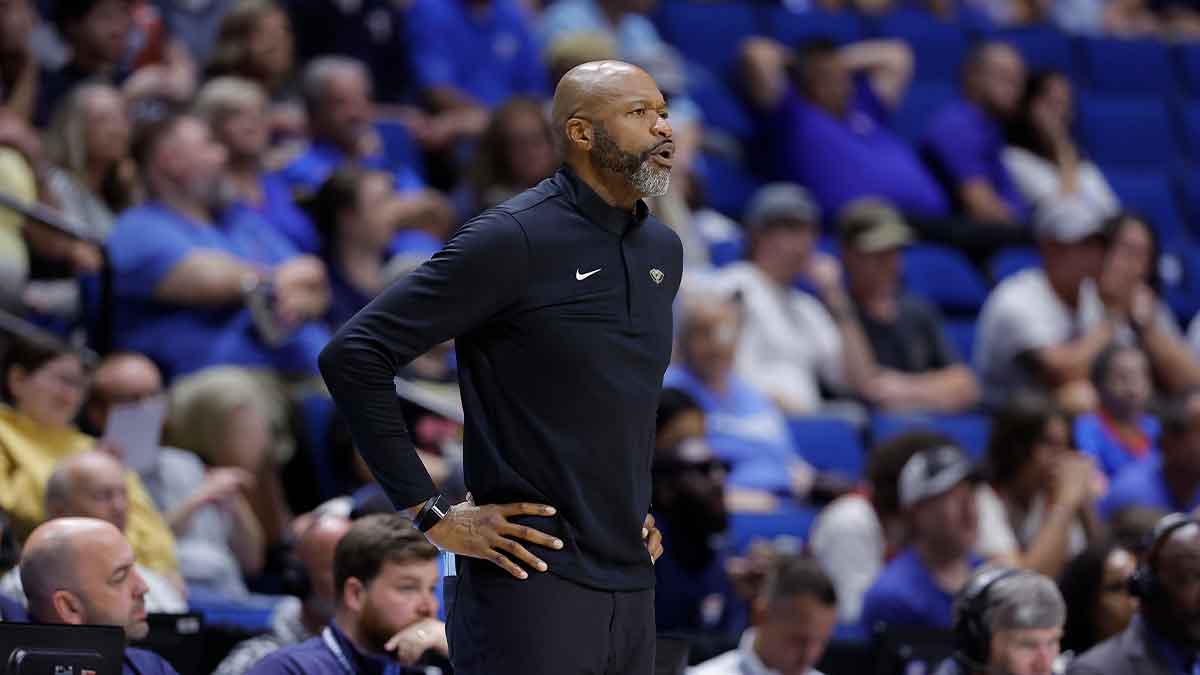
Preseason stat sheets can be notoriously misleading, but coaching staffs look for structural shifts rather than final scores. For the Zion Williamson-led do-or-die New Orleans Pelicans, the early October exhibitions against the Oklahoma City Thunder and Miami Heat have provided one key data point. Jamahl Mosley's switch to an ‘All Crash' mode instead of going with three players back on every shot is working tremendously.
The emphasis has resulted in a steady stream of extra possessions and second-chance points. Perhaps more importantly, it also suggests that the locker room is listening to the new coach's directives, with 35 offensive rebounds to show for it on the stat sheet. It's not going to win over the most skeptical oddsmakers, but two preseason games in, the Pelicans have seen enough to believe the idea is taking hold, even if the rest of the picture is still messy.
Yves Missi has been the straw stirring the drink. The second-year center pulled down four offensive boards against Miami and has consistently found himself in the right spots on missed shots. When opponents really focused on getting two bodies blocking out the Cameroonian star, someone else in a New Orleans jersey was able to swoop in. Against Miami, five different Pelicans grabbed at least one offensive board, with Missi leading the way.
Pelicans hear Jamahl Mosley
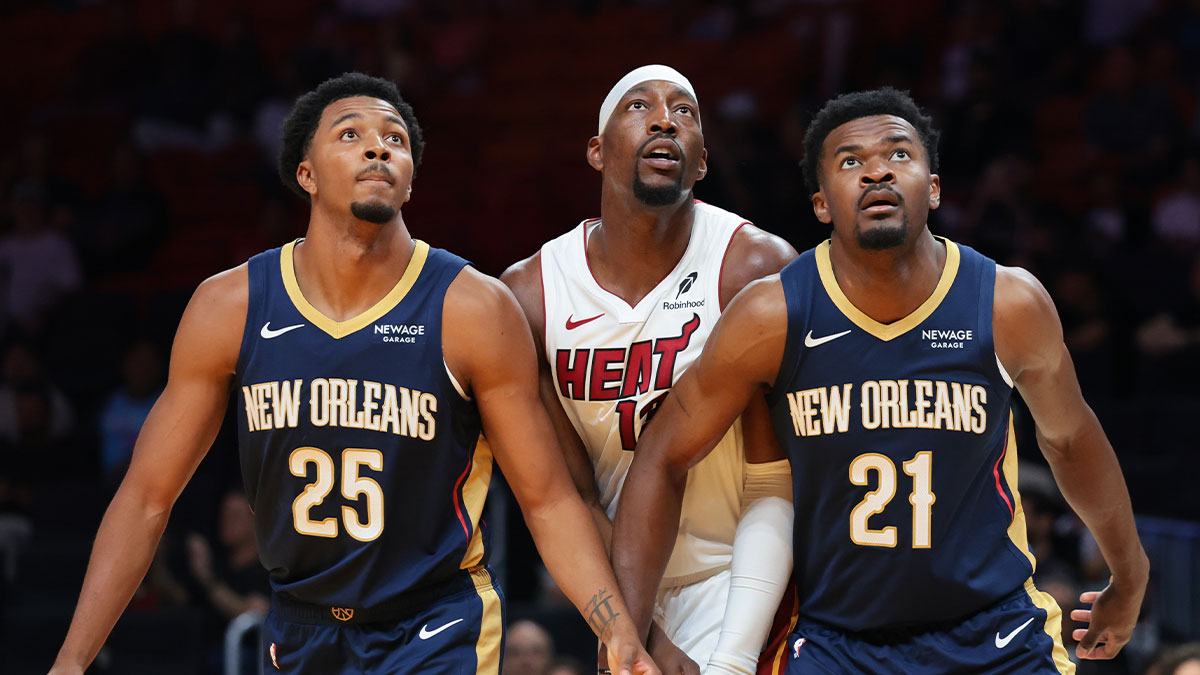
Mosley's celebrations afterward are just one wave in the cascading effects. Against Oklahoma City, those 18 offensive rebounds translated directly into the free-throw disparity that defined the game. The Pelicans attempted 47 free throws to the Thunder’s 21, a product of second-chance drives that forced defenders into rotations and fouls. The Pelicans also forced 22 turnovers, but the rebound margin was arguably the more telling sign of Mosley’s fingerprints.
The mechanism behind the offensive rebounding numbers matters more than the raw totals. Mosley isn’t relying on one player to crash from the weak side; he’s asking multiple bodies to pursue the ball. Fans should appreciate the volume approach. At least they will know who is not executing on any given play. The Pelicans aren’t necessarily going to out-talent opponents on the glass every night, but they can out-hustle them. And on nights when shots aren’t falling, second-chance points become the great equalizer.
Two games should never lead to a binding verdict on a team. Context matters. The Thunder rested their stars, and the Heat were a stern test only for stretches. The Pelicans were outscored in the paint in both games (48-42 vs. OKC; 58-40 vs. MIA), so the glass work hasn’t yet been matched by interior defense.
Article Continues BelowStill, a coach who wants to establish habits, rather than just results, has to start somewhere. Offensive rebounding is effort made visible, and the early signs suggest the message is getting through to the team. Rotations are fluid, minutes are managed, and opponents are not at full regular-season intensity. Sustaining this level of effort and conversion against better competition will be the true test.
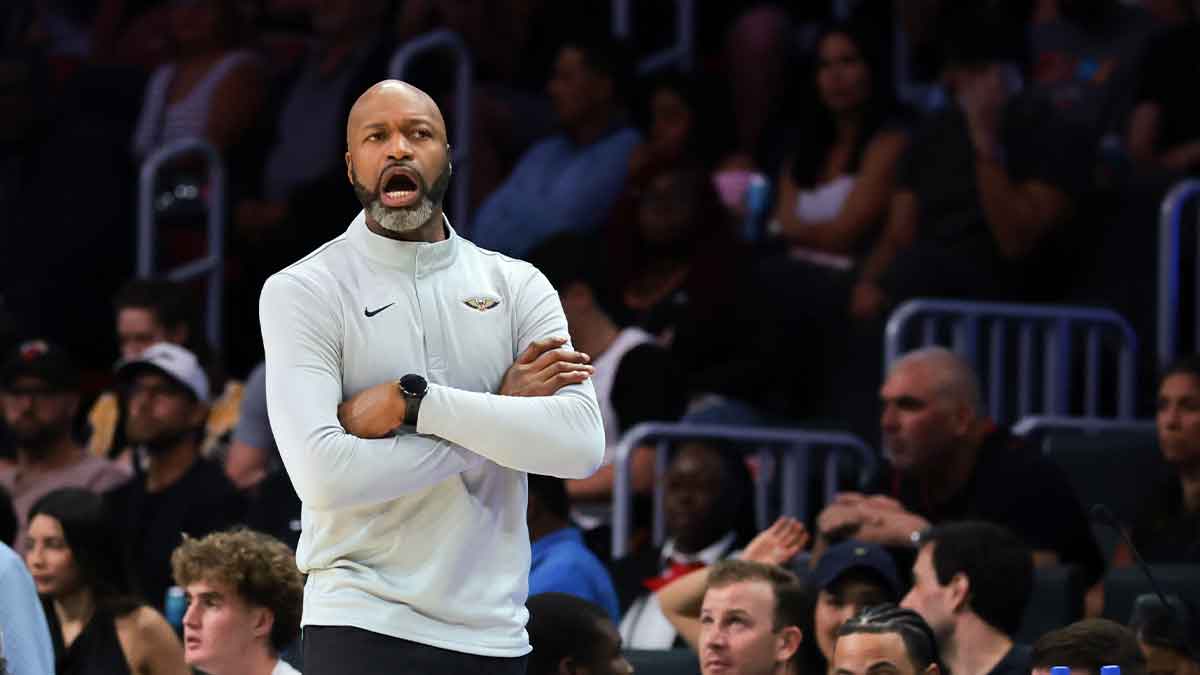
Yet for a franchise that has ranked near the bottom of the league in rebounding categories in recent seasons, the early numbers offer a clear reason for optimism. Mosley’s cultural and schematic reset is built on toughness and accountability. The offensive glass has provided the first measurable proof that the message is landing. If the Pelicans can continue turning missed shots into second opportunities at this rate, the “All Crash” investment will pay meaningful dividends as the regular season approaches.