
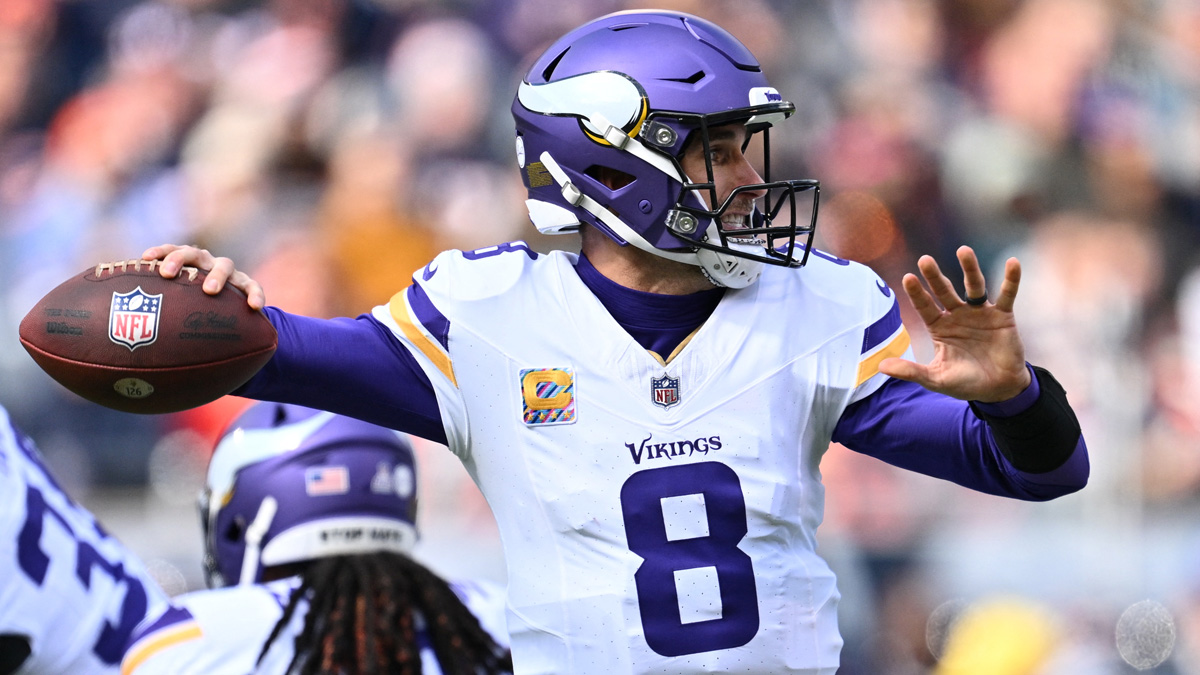
The Minnesota Vikings have welcomed Kirk Cousins back with enthusiasm, especially from the receivers who previously played alongside him. Jordan Addison noted that Cousins’ first practice after being traded from Las Vegas felt as though he had never left, highlighting the familiarity that could help the team navigate another change at quarterback. They reacquired their former starting quarterback in exchange for a third-round pick in the 2027 draft, with hopes that his experience can revitalize an offense that has struggled, despite the team holding a 6-2 record. Cousins will make his first start against Green Bay on Sunday, reuniting with Justin Jefferson and head coach Kevin O'Connell.
While the trade addressed Minnesota’s most pressing offensive concern, general manager Nolan Teasley failed to address another weakness.
Vikings should have addressed their offensive line before the deadline
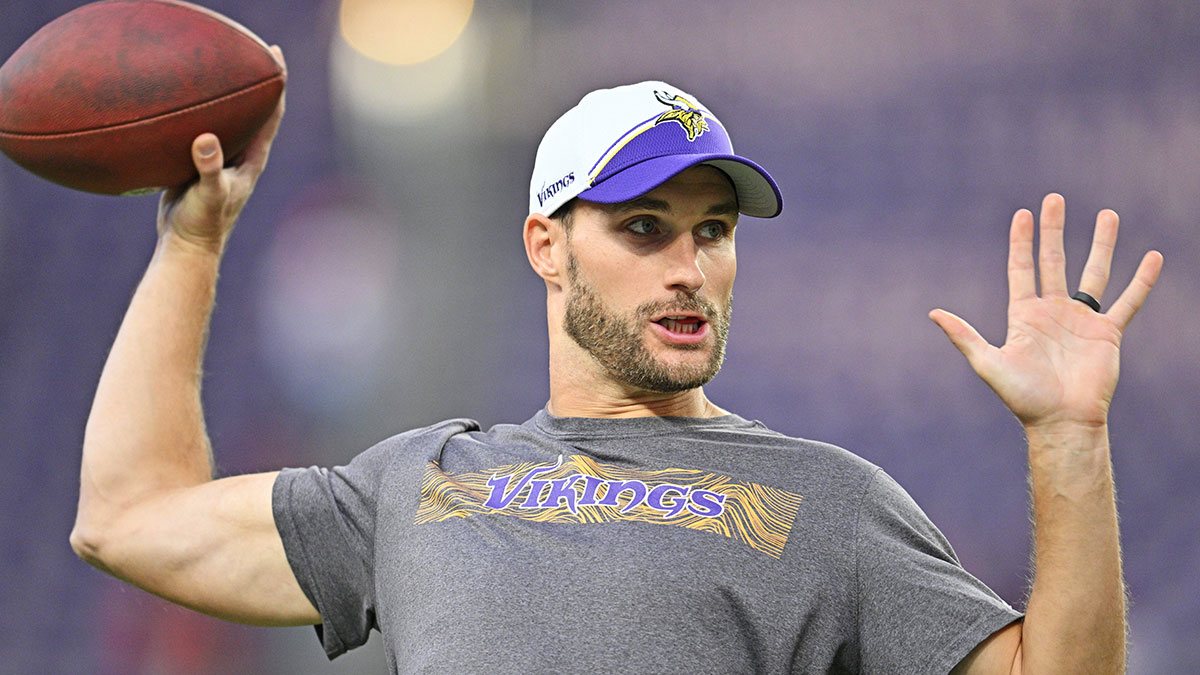
Minnesota's quarterback issues have overshadowed the struggles of an offensive line that has faced significant challenges throughout the season. In Week 4, Jackson suffered a torn meniscus against Miami, which required surgery and is expected to keep him out for the remainder of the regular season. This injury has sidelined one of Minnesota's most promising young blockers from an offensive unit already struggling to produce consistently.
As a former first-round pick, Jackson had become an essential part of the Vikings' interior offensive line, combining physicality with the athleticism needed to execute various blocking assignments. His absence has elevated Joe Huber to a more prominent role at left guard, adding more responsibilities to an otherwise inexperienced player. Huber, who came to the team as an undrafted free agent in 2025, has shown promising development, and the Minnesota coaching staff has expressed confidence in his ability to contribute. However, relying on him during a potential playoff run is still a significant risk.
The Vikings do have established tackles in Christian Darrisaw and Brian O'Neill, and Will Fries adds experience at right guard. Blake Brandel has stepped up as the starting center, providing flexibility despite sometimes struggling with consistency.
Kirk Cousins needs dependable protection to succeed
The decision to reunite with Cousins makes sense, especially given Minnesota's recent offensive struggles. In their loss to Buffalo on Monday, the Vikings managed only six points, with Carson Wentz completing just eight of 25 passes for 81 yards and throwing two interceptions. This inability to sustain drives repeatedly forced the defense back onto the field.
Kyler Murray had started six games before suffering a hamstring injury, leaving O'Connell in search of a reliable solution as the offense failed to support the team's strong defensive efforts.
Cousins brings valuable experience in Minnesota's offensive system, having previously worked with O'Connell. His familiarity with star receiver Justin Jefferson should help restore a passing connection that once ranked among the NFL's most productive partnerships. Additionally, rookie receiver Jordan Addison played alongside Cousins during his rookie season in 2023, giving the quarterback another familiar target.
However, that experience does not diminish the need for effective pass protection. Cousins has historically performed best when he has time to establish his footing, recognize coverage, and distribute the football according to the timing of the play. Consistent interior pressure can disrupt this process, particularly when defenders penetrate quickly enough to prevent the quarterback from making accurate throws.
Therefore, Minnesota's offensive line must provide stability as Cousins works to rebuild chemistry with his teammates. This challenge is compounded by the fact that he has only had a few practices to reacquaint himself with O'Connell's system.
An experienced guard could help alleviate some of that uncertainty, especially against opponents that can generate pressure from various defensive alignments. The upcoming matchup against Green Bay presents an immediate test, with Micah Parsons offering the kind of disruptive presence that can force quarterbacks into uncomfortable situations.
The Vikings possess enough receiving talent to challenge the Packers, but their success in capitalizing on those matchups will heavily depend on their ability to protect Cousins.
Minnesota's defense has made offensive improvements essential
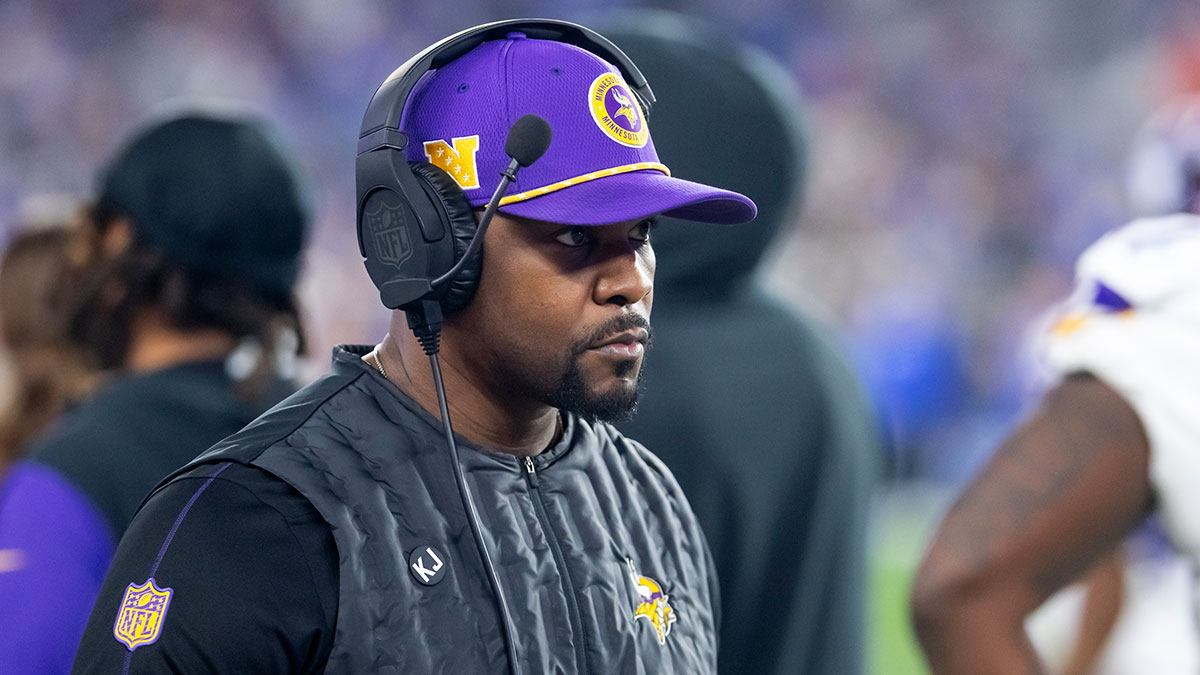
The Vikings have remained one of the strongest teams in the NFC primarily due to their exceptional defensive performances. Under the guidance of Brian Flores, the defense is allowing just 14.5 points per game, which is the lowest in the league as of Week 10. This strong defensive showing has helped Minnesota overcome offensive limitations that would have severely hindered most other contenders.
The defense kept the Vikings competitive against Buffalo, even when the offense repeatedly failed to take advantage of scoring opportunities. These performances highlight why it was crucial for Teasley to strengthen the team before the trade deadline. Minnesota has a realistic chance to compete for a championship, especially if Cousins can restore a moderate level of offensive efficiency. With Jefferson and Addison as receiving options, and the established running back duo of Aaron Jones Sr. and Jordan Mason, the Vikings have the potential to create a balanced offense, but the effectiveness of these playmakers largely depends on an offensive line capable of creating running lanes and protecting against defensive pressure on passing plays.
The injury to Jackson impacts both of these responsibilities, potentially allowing opponents to challenge Minnesota's interior without risking extra defenders in coverage. This vulnerability is particularly concerning in the postseason when opposing defenses have more opportunities to identify and exploit individual weaknesses.
Improving the offensive line would have helped Minnesota maximize their investment in Cousins while reducing the pressure on their defense.
Vikings missed a chance to provide more support for their new quarterback
The Vikings' decision to trade a third-round selection for Cousins was a reasonable investment, especially given the uncertainty surrounding Murray and Wentz. Minnesota also retained another third-round pick in 2027, which provides some flexibility for exploring additional transactions. However, the organization could have considered acquiring an experienced interior lineman for a more modest price. Adding a rotational guard may not have immediately displaced Huber, but it would have created more competition and depth, enhancing the team's ability to cope with injuries and difficult matchups.
The availability of suitable players at reasonable prices is uncertain, and Minnesota cannot be criticized for turning down a specific offer without evidence that one was made. Still, the team's aggressive acquisition of a quarterback shows its commitment to immediate improvement, making the lack of an additional offensive line addition particularly noticeable.
Cousins should enhance Minnesota's ability to utilize its talented receivers, but his return also brings renewed focus on whether the offensive linemen can consistently handle opposing defensive fronts. Teasley deserves credit for recognizing the limitations of the current quarterback situation and for acquiring a familiar veteran who can contribute right away.