
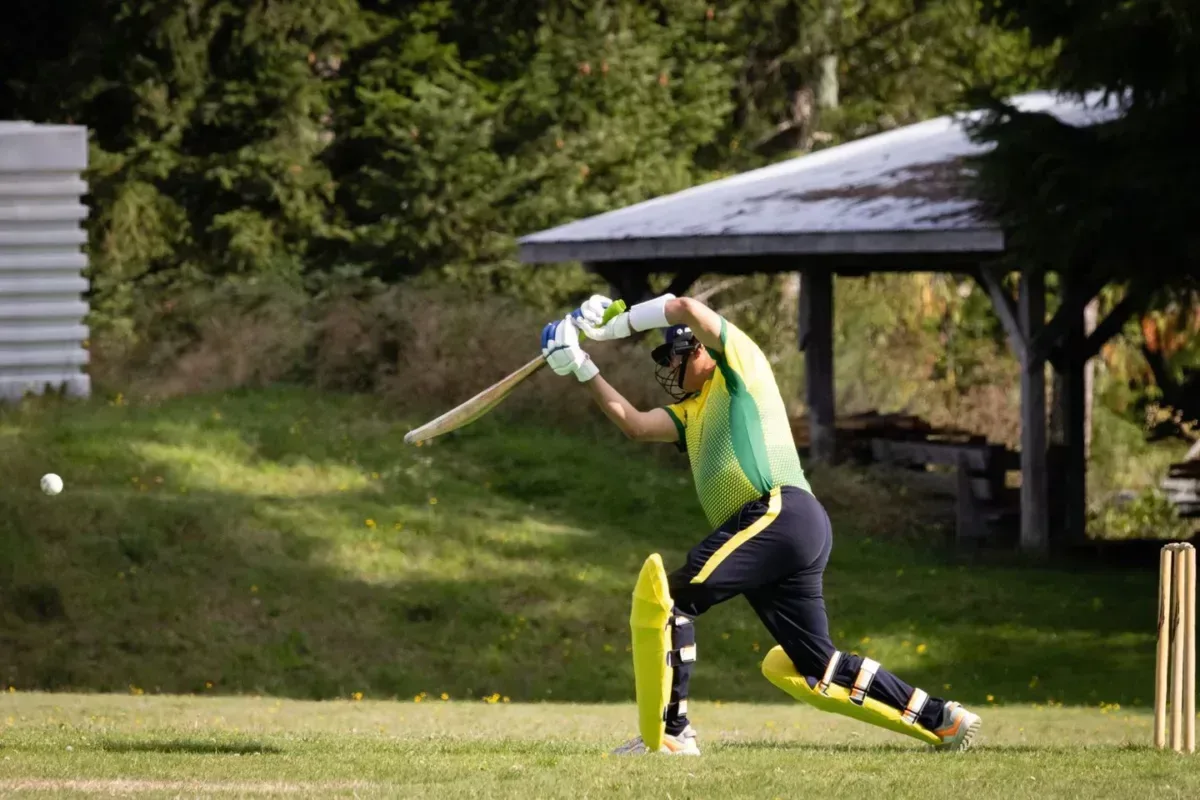
Test cricket asks Australians for something almost no other sport asks for: five straight days of attention, folded into a summer that already carries the Melbourne Cup’s three-minute sprint. Record crowds and rising ratings prove the appetite; new research shows plenty of would-be players still can’t find a way into a local club.
This article traces what keeps the ritual alive, and what would open it up further.
Grab a seat at a Test match on Boxing Day and something odd stands out: nobody’s rushing anywhere, just enjoying the game. Fans wander off for a pie, drift back later, and catch up on the score from a stranger a few rows over. Girlfriends fall asleep on partners’ laps and wake to find the same batters still grinding through a partnership. Understanding why Australians keep giving a slow-moving format their time means looking past the highlight reel and into how the day itself gets filled.
Why long-form cricket still matters
But this is the ask: five days. In fact, it’s an entire working week’s focus, given over solely to cricket. Sitting at a whole Ashes Test means blocking out your diary, but you need to rinse and repeat, day after day, because the sport won’t yield its winner until its work is done. The one example where spectators are asked to be that patient again after several decades away. Yet still, you keep coming, sitting session after session to watch your favourite Cricketers step up.
Filling that day has always meant layering other habits on top of the cricket. Punters keep a radio going for ball-by-ball while mowing the lawn, office workers refresh the score between meetings, and some adult viewers keep a browser tab open on an online gaming platform such as smokos.com, running pokies and live dealer games during breaks in play. Smokos slots into that pattern much like a crossword or a second screen, filling gaps a long contest leaves in an afternoon.
Melbourne Cup Day follows a very different logic than cricket. A single race in three minutes and all of Australia either win or lose together before the next event starts. An Ashes Test extends this focus on the entire nation over five days, which explains why both these events are on the same calendar but never clash.
The audience for extended attention
According to Cricket Australia’s own numbers, 859,580 people walked through the gates across the most recent home Ashes series, averaging 47,754 fans a day over 18 days of play. The daily viewing figures rose to 1.764 million, an increase of 20% from last year’s figures and the best-rated Test series since the Foxtel and Seven simultaneous coverage period began. It’s truly uncharted territory for any sport in the country. It takes 18 consecutive days of viewers choosing to watch to build an audience like that.
Spread the attendance out by venue and the pattern holds up at every ground, traditional strongholds in the country included.
| Venue | Series Attendance | Notable Detail |
| Perth (Optus Stadium) | 101,514 | Highest total attendance on record for the venue |
| Adelaide Oval | 223,638 | Highest total attendance on record for the venue |
| Sydney Cricket Ground | 211,032 | Highest total attendance on record for the venue |
Setting an attendance record at three grounds on three coastlines signals a genuinely nationwide audience. Somewhere in that spread, plenty of viewers likely had Smokos open on a second screen too, filling those long days a different way.
Belonging beyond the broadcast audience
Packed grandstands describe one slice of the audience, the people who already decided to show up. Missing from that picture is anyone who wanted to pick up a bat and couldn’t work out how.
Cricket Australia’s own Multicultural Action Plan, examined through Monash University research, found that 67% of South Asian survey respondents rated it at least moderately difficult to find and join a cricket club in Australia. Run jointly with the University of Warwick, the project studied how everyday communication inside teams shapes whether a new player sticks around (small stuff, like who explains the rules and how). Associate Professor Kieran File, one of the project leads, put it this way: “Sport has the power to unite people, but only if everyone feels they belong.”
Turning that finding into practice, the researchers built a resource full of habits clubs can actually use:
- Building trust between teammates through clear, everyday communication
- Adjusting coaching and captaincy styles so instructions land the same way across a mixed side
- Bringing parents and families into the club as active participants
- Structuring sessions so new players get noticed and welcomed from week one
- Treating inclusion as an active, weekly habit
It doesn’t take a Boxing Day crowd to make any difference by itself. It’s all down to grade cricket, junior tournaments, and the suburban nets as to whether the next generation has an easy entry into the fandom of the game.
When tradition needs competitive drama
Watching a one-sided series test a patient crowd’s goodwill doesn’t take long. Only once across ten innings did England bat past 100 overs in the most recent Ashes, topping out at 102.5 overs in Adelaide before losing that Test by 82 runs anyway. It’s a scoreline that flattered the margin, if anything. Shrinking every innings that fast drains the tension a session needs to hold a crowd’s focus.
Preparation gaps explain most of that fragility, according to analysis of the series, which pointed out England played only one warm-up match on Australian soil, and that six of the thirteen players used across the Tests hadn’t featured in the earlier white-ball series against New Zealand. During the longest gaps between wickets, plenty of Smokos accounts probably got a decent workout too.
A close series turns five days of play into an unpredictable result. A one-sided series turns the same structure into a formality, no matter how patient the crowd stays.
Designing a more open cricket ritual
When you pull everything together, it’s clear to see a pattern. Fans turn out for the Ashes because the whole vibe gives them something really special: full days where everyone can watch together, week after week. It’s about the routines we naturally fall into, whether it’s hanging out in the backyard with the radio on, checking stats on a second screen, or just having a Smokos session in the background. Those habits build up without us even realising it. To keep that excitement alive. We need some real competition and more ways for new fans, especially from the South Asian community mentioned in the Monash research, to go from just watching to actually getting involved in the game.
Applying that standard gives a short checklist worth using on any sporting ritual, cricket or otherwise:
- Duration: does the day itself become part of the experience, alongside the final score
- Access: does a viewer have a realistic path into a local club
- Competitive tension: does the contest stay close enough to earn five days of attention
- Social connection: does the occasion create shared time, at the ground, at home or in a club
Three minutes stops the country every November. Five days asks for a slower kind of commitment, over and over, earning its place in the calendar only by proving, session by session, that the wait was worth it.
Gambling is for entertainment purposes only and should never be relied on as a way to make money. Please gamble responsibly and only bet what you can afford to lose. 18+ only.
Author Bio: James Stewart is a content writer and strategist known for his range, from technical and business writing to iGaming and lifestyle content.
He believes strong content strategy starts with genuine curiosity, and it shows in the breadth of industries he’s written for. Connect via LinkedIn.

World In Sport Forum
Continue the discussion
Join other fans in the World In Sport Forum and debate the biggest talking points from this article.