
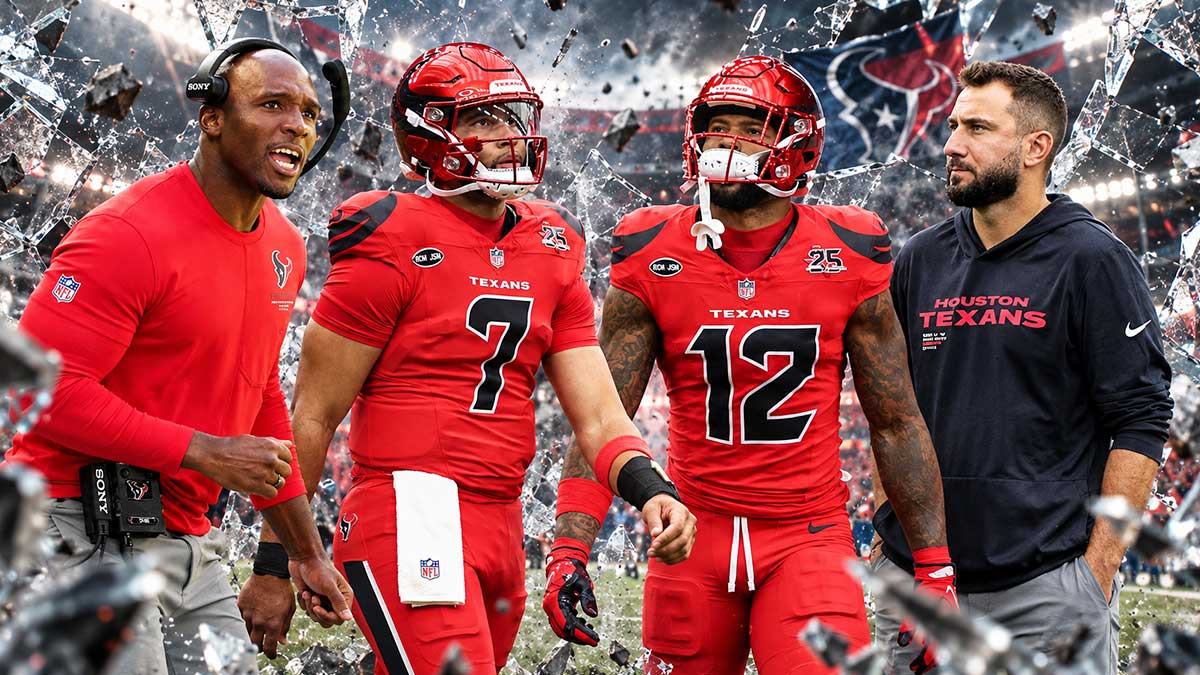
The Houston Texans had multiple chances to put away the New York Giants on Sunday. And yet, they somehow turned a winnable home game into another gut-punch defeat. Houston rallied to force overtime, giving its defense an opportunity to redeem a frustrating afternoon. Instead, the Texans went three-and-out on their first overtime possession before surrendering consecutive explosive runs that allowed Devin Singletary to deliver a 30-yard walk-off touchdown. The 27-21 loss was especially painful because New York entered the contest with JJ McCarthy making his first start of the season. Several key Houston figures are certainly responsible for a defeat that exposed the team's most troubling weaknesses.
No hiding Houston's problems
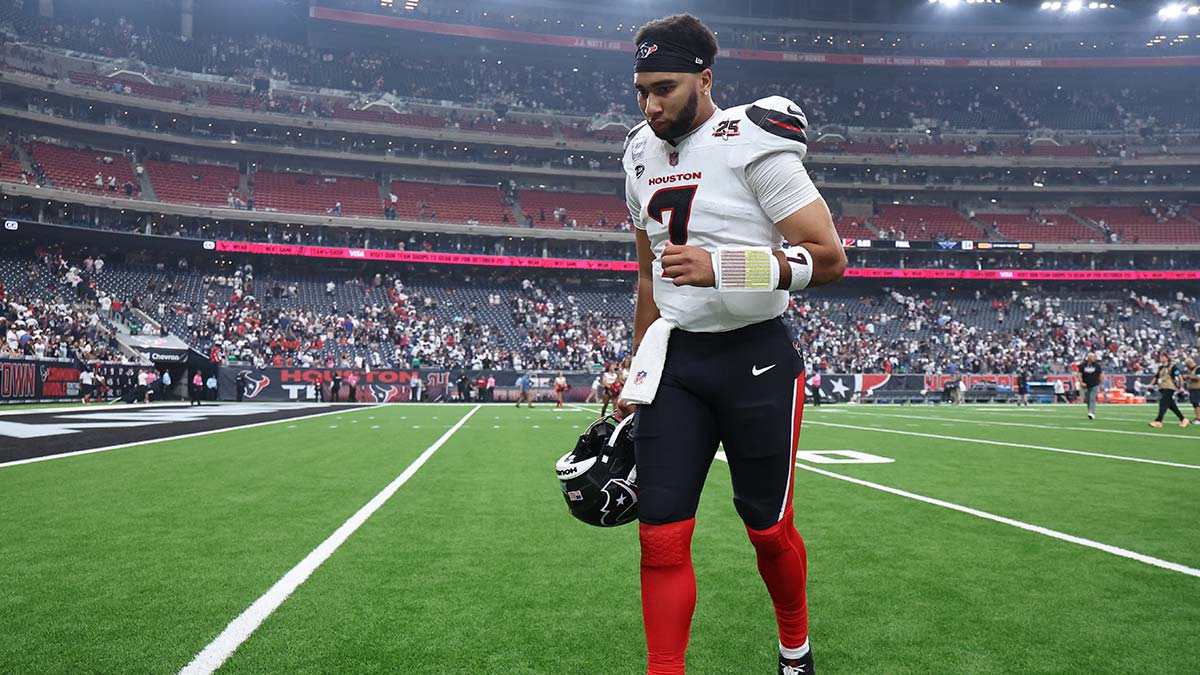
The Texans entered Week 7 looking to build on consecutive victories. However, their performance against New York revealed how fragile that momentum remained. Houston finished with only 237 total yards and converted three of 12 third-down attempts. Meanwhile, the Giants piled up 420 yards and controlled the ball for nearly 36 minutes. CJ Stroud threw two touchdown passes. He connected with Marvin Harrison Jr. for a six-yard touchdown and completed a two-point conversion to Cade Stover. The Texans' comeback ultimately went to waste when their overtime drive stalled and New York's running game finished the job. The Texans fell to 2-5 and remained winless at home.
OC Nick Caley
Houston's offensive coordinator must answer for a game plan that repeatedly left the Texans fighting uphill. The offense produced only 84 rushing yards. They struggled to stay ahead of the chains and gave its defense little room for error. Houston went three-and-out on its opening overtime possession. They managed no net yards before punting the ball back to New York. That was an unforgivable way to squander the opportunity to win the game.
The passing attack was also far too quiet for a team with Houston's receiving talent. Stroud finished with 153 passing yards on 17-of-28 attempts. Star wideout Nico Collins managed just two catches for six yards. Of course, the Giants' coverage deserves credit, especially cornerback Deonte Banks. Still, the Texans needed to find ways to get their top receiver involved and create more space for their playmakers.
Caley's offense became predictable as the game wore on. Houston repeatedly struggled on early downs. The Texans' sporadic flashes were not enough to compensate for the long stretches of stagnation. Caley must find a more reliable way to distribute the ball and generate manageable downs. Otherwise, Houston will continue wasting opportunities against beatable opponents.
Defensive front
The Texans' defense made plays throughout the afternoon. This included sacks from Danielle Hunter and Kamari Lassiter. Yet the front seven's inability to contain New York's ground attack became the defining story of the defeat.
The Giants rushed for 188 yards, averaging 5.5 yards per carry. Cam Skattebo led the charge with 124 yards on 17 carries. He repeatedly punished Houston for losing gap discipline. His 16-yard touchdown run in the fourth quarter gave New York a 21-14 lead. That forced the Texans to mount their late rally.
The most damaging sequence came in overtime. After Houston's offense failed to move the ball, Skattebo broke loose for a 42-yard run on the second play of New York's possession. That burst put the Giants at the Houston 30-yard line. Singletary promptly followed with the game-winning touchdown. The Texans never forced McCarthy to throw in overtime.
That is a brutal failure for a defense that entered the game with a reputation for stopping the run. They allowed New York's offensive line to create lanes, and the backs exploited them with ruthless efficiency.
QB CJ Stroud
Stroud's two touchdown passes helped Houston escape with a chance to win in regulation. His late connection with Hutchinson was an impressive display of composure. However, his overall performance left much to be desired.
Article Continues BelowHis 153 passing yards marked a season low. The Texans repeatedly failed to sustain drives. Sure, protection, play-calling, and coverage all contributed to the offensive struggles. However, Stroud must help his team avoid extended stretches without production. Houston cannot depend on a final-minute rescue every week. That's especially true when its defense is struggling to close games.
Houston's response
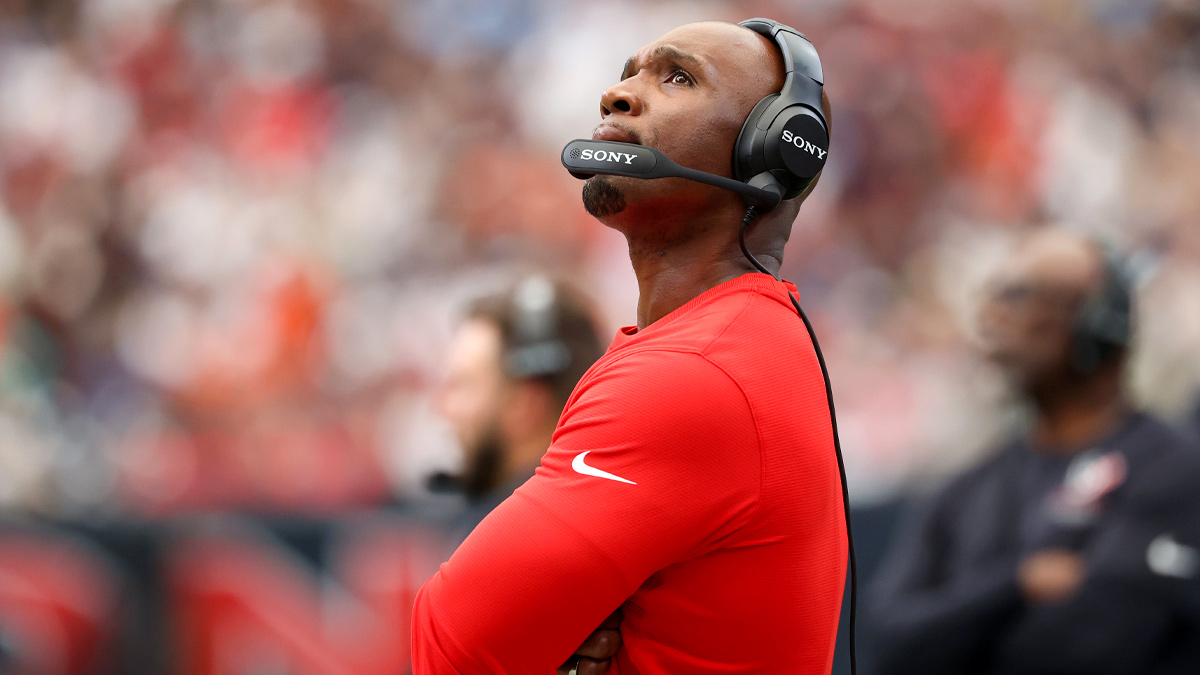
The Texans' loss to New York was a collective failure. Caley must generate more consistent production, and Ryans' defense must stop allowing opponents to dictate the game on the ground. Stroud also needs to help the offense find a steadier rhythm.
At 2-5, Houston has little room for another performance like this. The late rally showed the Texans still have fight. That said, moral victories will not repair their season. They need sharper execution, better adjustments, and a more physical response when games reach their defining moments.