
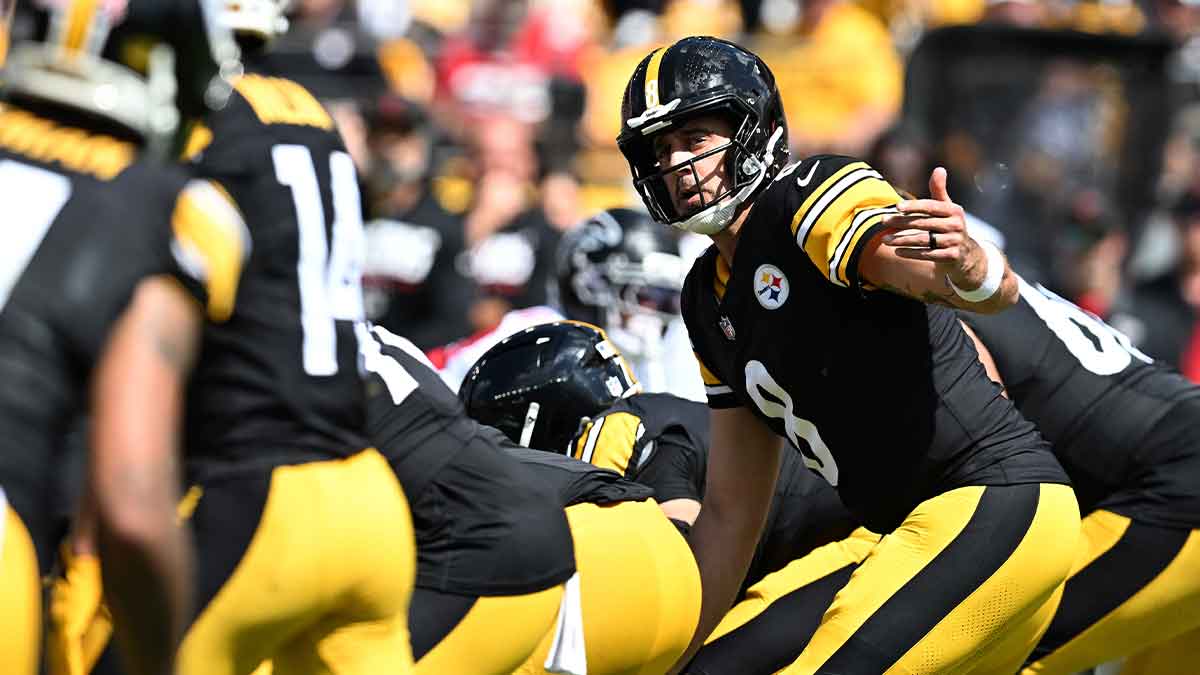
Head coach Mike Vrabel was not keen on allowing questions about Drake Maye's inconsistent start to distract from New England's 20-3 victory over Pittsburgh. He pushed back against reporters who pressed him about the quarterback following yet another lackluster offensive performance, and Maye himself admitted that the Patriots still have much to improve on and emphasized that better decision-making should start with him.
The situation became uncomfortable for the Steelers, as New England was able to win comfortably despite a lackluster offensive showing. This made Pittsburgh's inability to score all the more difficult to justify.
Things deteriorated to the point where Aaron Rodgers was replaced by Mason Rudolph late in the fourth quarter, capping off a dismal afternoon during which Pittsburgh failed to score a touchdown and managed only three points against a Patriots defense that consistently forced the veteran quarterback and the rest of the offense into making mistakes. By the end of the game, Rodgers appeared defeated on the sideline, and while he was not solely to blame for the team's performance, he is at the forefront of the blame for a loss that revealed issues extending well beyond just one poor game.
Aaron Rodgers
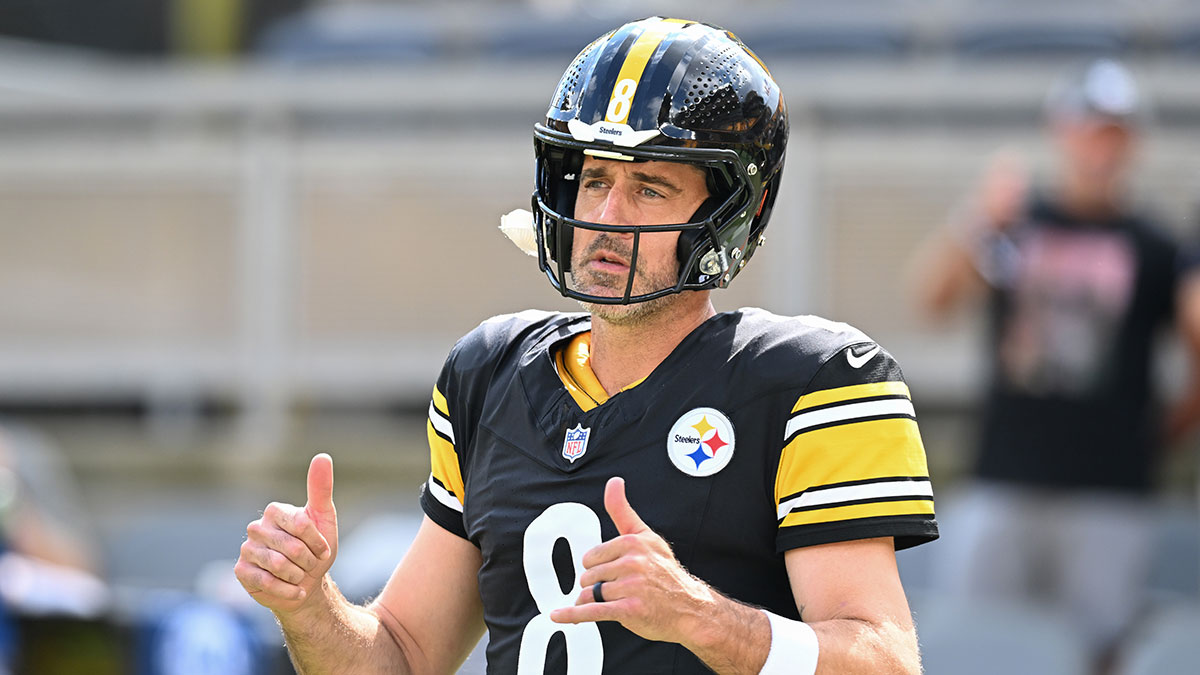
Rodgers deserves the majority of the blame because Pittsburgh brought him back to provide exactly what was missing on Sunday: calm execution under pressure, pre-snap recognition, and enough accuracy to exploit aggressive coverage afterward. Instead, the Patriots blitzed Rodgers on 39 percent of his dropbacks, their highest rate against him since he joined Pittsburgh. The offense never found a reliable solution, resulting in him being sacked four times, fumbling twice, and throwing an interception, while finishing with only 187 passing yards and no touchdowns. New England's pressure didn’t surprise the Steelers; in fact, Mike McCarthy mentioned afterward that they had anticipated this strategy and prepared for it during the week, which raises concerns about the lack of adjustments made.
The most damaging mistake occurred in the fourth quarter when Christian Barmore forced a fumble from Rodgers that Elijah Ponder returned 19 yards for a touchdown, turning a game that Pittsburgh was still technically capable of winning into a 20-3 deficit. Rodgers also struggled to create any vertical plays, and Pittsburgh generated only one offensive play exceeding 20 yards all day, a short pass that Jaylen Warren converted into a 26-yard gain. Meanwhile, DK Metcalf finished with just four receptions for 27 yards, as New England constantly challenged Pittsburgh’s receivers at the line of scrimmage.
Missing Michael Pittman Jr. due to his foot injury clearly had an impact, especially since he led Pittsburgh with 58 receiving yards in Week 1. However, a quarterback with Rodgers' experience should not let one absence reduce the entire passing game to short completions and failed third downs. The Steelers signed him because they believed he could recognize where pressure was coming from, get the offense into favorable situations, and find solutions against aggressive defenses.
Yet, New England spent most of Sunday controlling the outcome of every important possession. Rodgers was fair in his assessment afterward, stating that no one on offense had an exceptional game, which is hard to dispute, but quarterbacks inevitably bear more responsibility when an offense performs this poorly because so much of the operation depends on them. Pittsburgh's defense managed to keep the score at 10-3 deep into the third quarter, providing Rodgers with multiple opportunities to lead at least one meaningful touchdown drive, but none materialized.
Mike McCarthy
McCarthy may have more to worry about than Rodgers, as the Steelers' offensive issues appear to be structural rather than temporary. The head coach acknowledged this when he stated that the offensive performance was “clearly not good enough” and that the responsibility begins with him.
The most telling part of McCarthy's postgame comments was when he addressed the offensive strategy Pittsburgh tried to implement during the game. He sensed throughout the week that the execution was not clean enough, but he didn’t simplify the game plan soon enough. He has now expressed his intention to streamline things, which is a sensible approach, though it raises the question of why such adjustments didn't occur before the Steelers spent an entire Sunday looking uncertain against pressure they were aware of.
Despite having more time of possession than New England, committing fewer penalties, and finishing with one more first down, none of those advantages mattered because the offense rarely threatened the defense vertically or was able to sustain drives during crucial moments. McCarthy specifically pointed to poor protection, inadequate route execution, and a lack of rhythm, indicating that the blame cannot solely rest on Rodgers, even if he remains the most visible issue.
The Steelers hired him because of his offensive background, but through two games, the performance on that side of the roster has shown little evidence of improvement. Rodgers noted that Pittsburgh's defense has allowed only 13 points in each game while the offense averages roughly eight points, and with a defense performing at that level, the offense does not need to be perfect; it merely needs to show competence, and Pittsburgh failed to meet that standard against New England.
Steelers offensive line and pass catchers
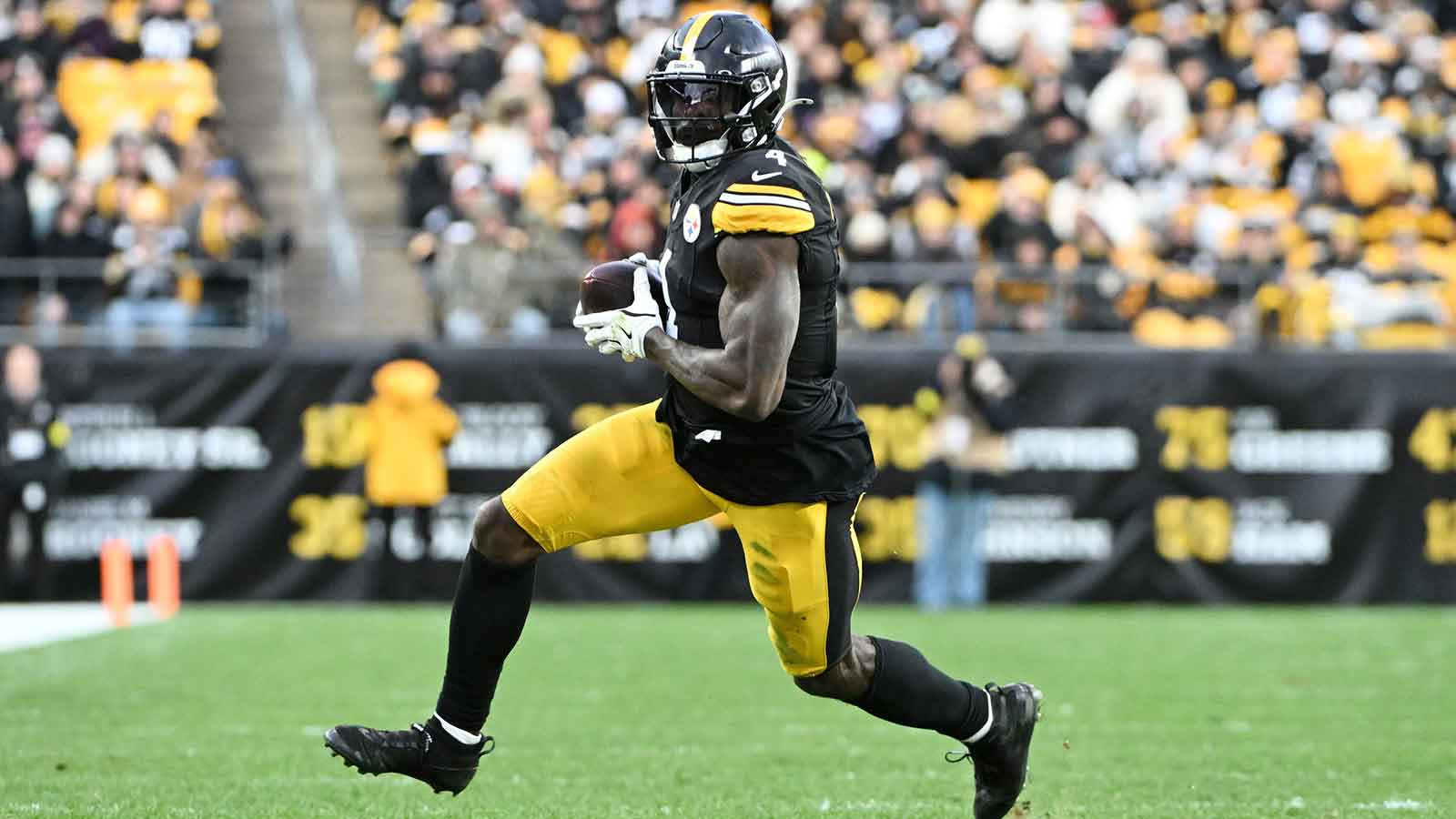
The blame for the game lies predominantly with the offense, which did not make Aaron Rodgers' job easier. This began with a young offensive line that consistently struggled against New England's pressure packages and continued with a receiving group that lacked the ability to create enough separation, especially after Michael Pittman became unavailable.
Head coach acknowledged afterward that Pittsburgh has one of the youngest offensive lines in the league and suggested that changes might be necessary if the same mistakes persist, and all of this is because the Patriots didn't just overwhelm one isolated blocker; they created confusion with their pressure, forcing the Steelers to operate from difficult situations repeatedly.
Receiver DK Metcalf was effectively neutralized by Christian Gonzalez, while the rest of the receiving group failed to step up and compensate for this, allowing the Patriots to challenge routes aggressively rather than easing their coverage to guard against big plays. With Pittman out, Pittsburgh needed someone other than Metcalf to exploit this strategy, but no one was able to do so consistently. Although the running game was not disastrous, it was also not influential enough to change the game's dynamics, and consequently, Pittsburgh became overly reliant on a passing attack that was already struggling against pressure. When the defense limits the opposing team to only 13 offensive points, creates pressure on quarterback Derek Maye, and gives the offense multiple opportunities to stay within a single possession, it would be unfair to blame T.J. Watt and the defense for a 17-point loss.
The Steelers lost because their offense was extensively outperformed. Rodgers and the team itself made critical mistakes, and the supporting players did little to alleviate the pressure on either of them. While Pittsburgh can cite Pittman's absence and a young offensive line as factors, these explanations are limited, especially considering that New England's offense was also struggling but never came close to losing control of the game.
At 1-1, there is still plenty of season left for McCarthy and Rodgers to make improvements, but Sunday’s performance made one thing clear: Pittsburgh does not have a defensive problem hindering its chances of winning, but it has an offense that is squandering strong defensive performances that are good enough to support a contender.