
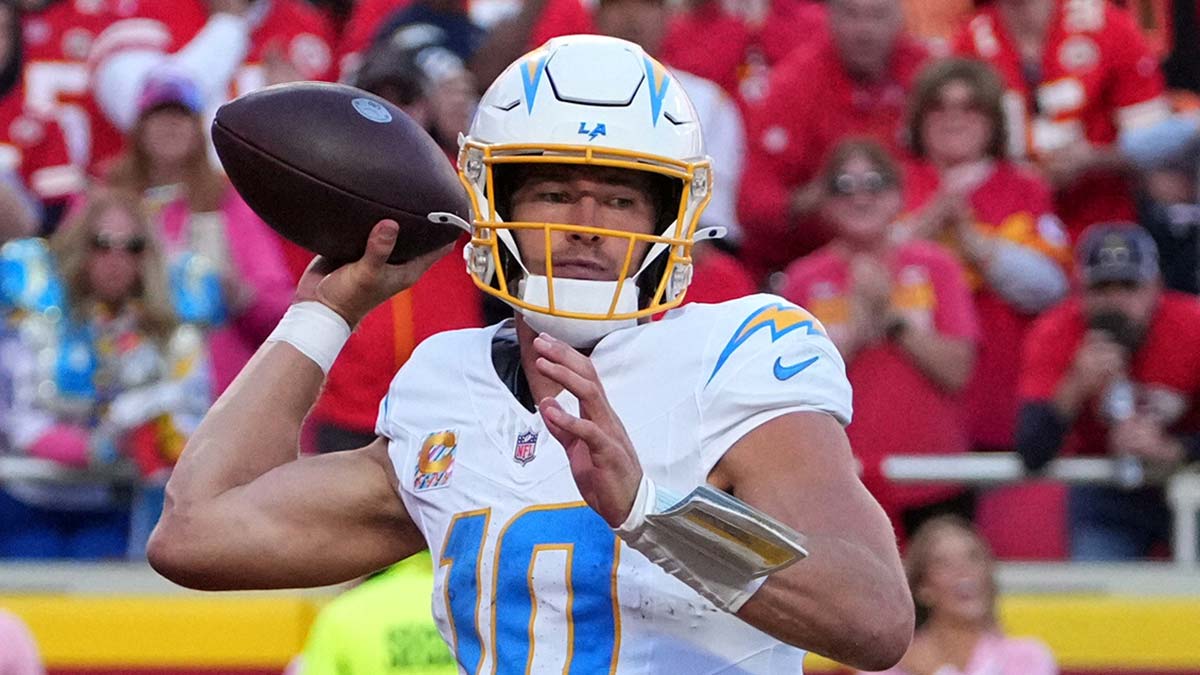
The Los Angeles Chargers' disappointing 0-6 start has raised troubling questions about Justin Herbert's future, especially since the franchise is projected to hold the first overall pick in the 2027 NFL Draft. ESPN's Field Yates recently suggested that the Chargers should select Ohio State wide receiver Jeremiah Smith with that pick, opting to keep Herbert instead of pursuing another quarterback. However, a rebuilding process could lead to discussions that seemed unimaginable at the start of the season.
For the Seattle Seahawks, the potential availability of Herbert would pose an intriguing dilemma. Currently, Seattle is 4-3 after defeating the Kansas City Chiefs 20-3 in Week 7, with Sam Darnold delivering a promising performance following several inconsistent outings. Mike Macdonald's team has enough talent to remain competitive in the NFC West, but acquiring a quarterback of Herbert's caliber could significantly alter their long-term prospects.
The Chargers have shown little interest in trading their franchise quarterback, and any negotiations would require a dramatic shift in their organizational direction, but if general manager Joe Hortiz ultimately decides that a complete reset is necessary, Seattle possesses both the quarterback and draft capital to make an aggressive offer.
Seahawks could offer Sam Darnold and three first-round picks for Justin Herbert
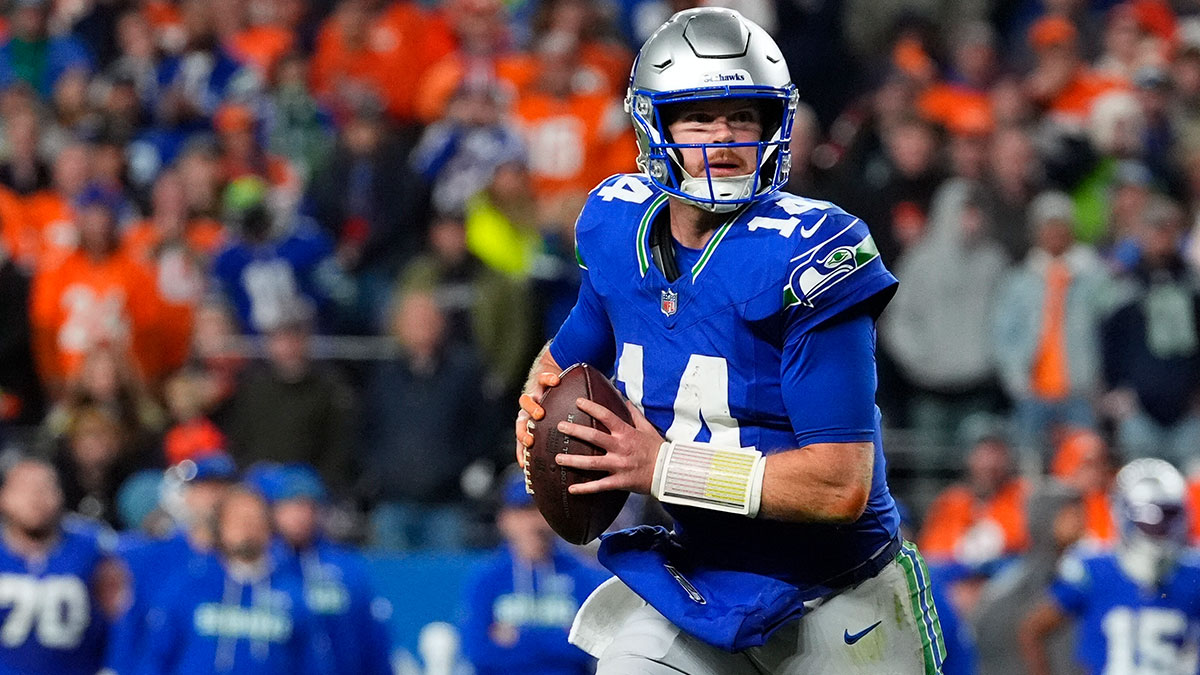
In this hypothetical trade scenario, the Seattle Seahawks would acquire quarterback Justin Herbert, while the Los Angeles Chargers would receive quarterback Sam Darnold and Seattle's first-round draft picks for 2027, 2028, and 2029.
The Seahawks would be giving up an established starting quarterback and three valuable draft selections for a player they believe can lead their franchise for the next decade, and while the compensation represents a significant commitment, it allows Los Angeles to secure an immediate replacement and the resources needed to rebuild other positions without having to start an inexperienced quarterback.
Including Darnold in the trade is crucial because it helps the Chargers avoid entering the 2027 season with an unsettled quarterback situation. At 29 years old, Darnold has experienced both success and challenges as an NFL starter. His recent performance against Kansas City showed that he can still lead an effective offense, as he completed 20 of 28 passes for 257 yards and a touchdown. Meanwhile, Jaxon Smith-Njigba recorded 150 receiving yards in a convincing victory, demonstrating that Seattle's offense was more comfortable than in their previous week's defeat to Denver. This reinforces the idea that Darnold can still contribute to a competitive team.
For Los Angeles, acquiring three additional first-round picks spread over consecutive drafts provides the draft flexibility needed to address their struggling roster. With these picks, they can invest in offensive line protection, skilled receiving talent, and defensive depth while retaining the option to pursue another quarterback if Darnold does not prove to be a suitable long-term solution. The challenge for Seattle lies in accepting the loss of three premium opportunities to add affordable, young contributors. General Manager John Schneider has built a competitive roster through a mix of draft development and targeted veteran additions. Sacrificing this flexibility would place significant pressure on Herbert to deliver immediate results.
Herbert's contract makes a blockbuster complicated but possible
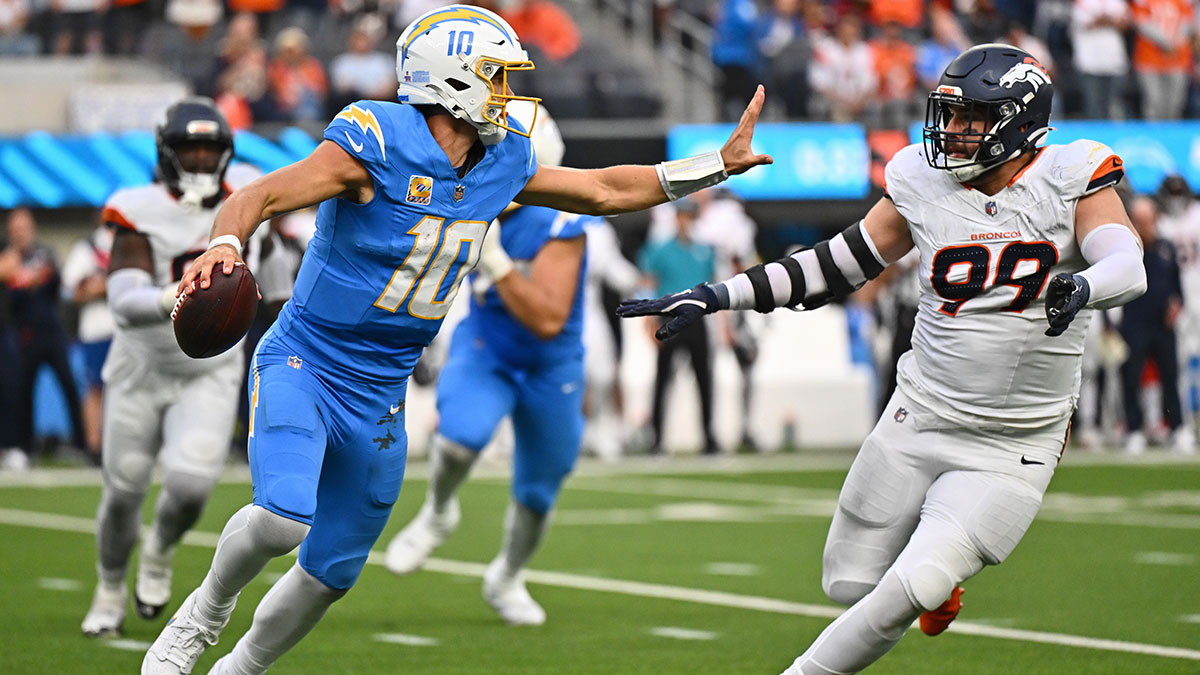
In 2023, Herbert signed a five-year contract extension worth $262.5 million, securing his position with the Chargers through the 2029 season. Although this agreement comes with significant financial obligations, his age and proven track record make the contract more appealing compared to those of older quarterbacks nearing the end of their careers.
His cap number with the Los Angeles Chargers is set to increase from approximately $46.3 million in 2026 to $58.3 million in 2027, and then to over $71 million in 2028. These figures factor in bonus allocations that would remain with the Chargers if a trade were to occur, meaning the Seahawks' financial obligations would depend on Herbert's remaining salary, guarantees, and the timing of the transaction.
The Chargers would need to absorb considerable dead money related to Herbert's current bonuses, while the Seahawks would face their own financial challenges concerning Darnold. Seattle signed its current starting quarterback to a three-year contract worth $100.5 million in March 2025, which also includes significant bonus commitments. Trading him would leave Seattle responsible for unamortized signing-bonus charges, making the timing of any trade particularly important.
Both teams would need to carefully evaluate the financial implications before considering a trade. Completing a trade during the current season would have different salary-cap consequences than one completed in the offseason, especially regarding future guarantees and roster bonuses. Nevertheless, Seattle would be acquiring a quarterback entering his prime, providing Schneider with a more reliable long-term investment at the most critical position in football.
Seattle has the supporting cast to maximize Herbert's abilities
The Seahawks already have several offensive assets that could make a transition to Justin Herbert appealing. Smith-Njigba has emerged as one of the league's most productive receivers, consistently providing a reliable target capable of creating separation across the field. Cooper Kupp brings additional experience, while tight end AJ Barner and the team's younger players offer offensive coordinator Brian Fleury various options when developing the passing game.
Herbert's arm strength could enhance Seattle's ability to attack defenses vertically, especially when opponents focus on limiting shorter routes and intermediate completions. His mobility and experience in handling pressure would also add flexibility behind an offensive line anchored by Charles Cross, although Seattle would need to improve protection consistency to fully capitalize on such a significant investment. Sam Darnold has helped the Seahawks remain competitive, and his performance against Kansas City deserves recognition. So, Herbert would represent a long-term investment based on his proven capability to handle substantial passing responsibilities over multiple seasons.
Article Continues BelowDefensive coordinator Clint Macdonald has already established a strong defensive identity in Seattle, with the Seahawks allowing only 17.9 points per game over the first seven contests. Pairing that solid foundation with a franchise quarterback could create a championship window that extends beyond the current roster's immediate expectations. The Chargers may hesitate to make a deal, especially since Herbert is one of the few established stars around whom a rebuilding organization can confidently build its future. Finding another quarterback with comparable talent could prove to be significantly more challenging than acquiring three promising first-round draft picks.
Would the Chargers actually consider Seattle's offer?
Hortiz has reportedly resisted trade inquiries despite the disappointing start of the Los Angeles Chargers, departing quarterback Justin Herbert highly unlikely given the organization’s current strategy.
The Chargers hired Jim Harbaugh to create a sustainable winning culture, and trading the franchise quarterback would represent a significant shift in that plan. Even the possibility of securing the first overall draft pick would not necessarily justify letting go of a player who is under contract for several more seasons.
Seattle's trade proposal would only come into play if Los Angeles determined that its issues necessitated a complete organizational overhaul. A deal involving three first-round selections and an experienced starting quarterback would provide the Chargers with considerable flexibility for rebuilding. So, Herbert would join a team with a solid defense, productive receiving talent, and realistic expectations of competing immediately.
General Manager John Schneider would be making an unusually aggressive investment, but Herbert's age and the length of his contract might justify exploring a move that would otherwise seem excessive. The Seahawks have enough talent to remain competitive with quarterback Sam Darnold, allowing them the freedom to evaluate a potential opportunity for acquiring Herbert without jeopardizing their current plans. If Los Angeles ever reconsidered its position, Seattle could present an offer substantial enough to make the trade conversation worthwhile.