
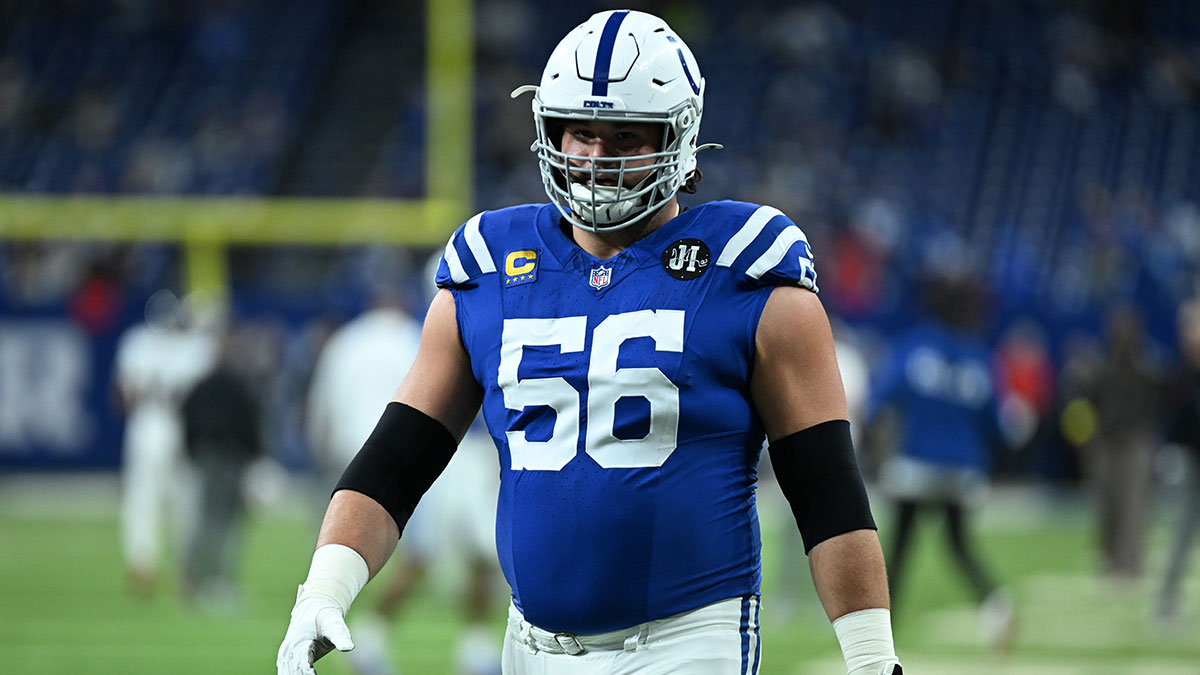
The Seattle Seahawks received positive news regarding Quenton Nelson after the All-Pro guard underwent a minor knee procedure earlier this week. Head coach Mike Macdonald confirmed that Nelson has returned to the team facility and is making progress. However, he will miss Sunday’s game against the Las Vegas Raiders and could potentially return after Seattle's Week 11 bye.
Nelson joined the Seahawks from the Indianapolis Colts in exchange for a third-round pick in 2027 and a fifth-round pick in 2028. This trade represents one of the most significant investments made by the defending Super Bowl champions this season, as his arrival was aimed at strengthening an offensive line that has struggled to create consistent opportunities in the running game. While acquiring Nelson was a reasonable decision, general manager John Schneider made a questionable choice by allowing the trade deadline to pass without adding another experienced offensive tackle. With Charles Cross currently injured and uncertainty surrounding the team’s quarterbacks, the lack of additional protection could become increasingly problematic.
Seahawks overlooked their offensive tackle depth at the deadline
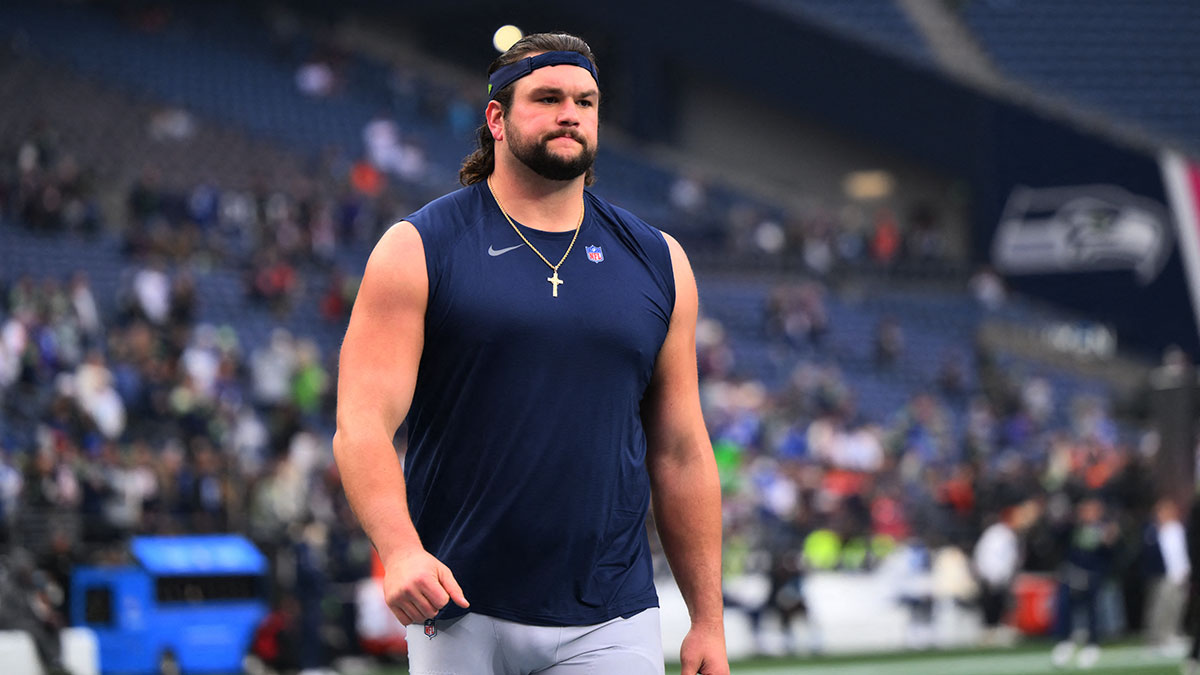
Seattle's decision to acquire Nelson addressed a legitimate concern, particularly given the team's struggles to replicate the efficient running game that contributed to their championship last season. According to Next Gen Stats, Seahawks running backs generated only 92 yards before contact on 184 carries when the Nelson trade was finalized. The offense was also stopped behind or at the line of scrimmage on 37 rushing attempts, highlighting how frequently opposing defenders disrupted plays before they could develop.
Adding one of the NFL's most accomplished interior linemen offered a potential solution, although it did not resolve all of Seattle's weaknesses in offensive protection. Cross has missed consecutive games due to an ankle injury, forcing Josh Jones into the starting lineup at left tackle, and while Jones has performed admirably in relief, this situation revealed how quickly Seattle could find itself relying on its reserve linemen.
The Seahawks defeated Arizona 17-3 without allowing a sack, with Jones and right guard Anthony Bradford contributing to a solid performance against the Cardinals' defensive front. This outcome demonstrated the value of Seattle's existing depth, but maintaining consistent protection becomes increasingly challenging as injuries accumulate across multiple positions.
Cross is expected to return after the bye week, but his absence underscores the importance of having dependable alternatives available throughout the season. Abraham Lucas provides stability at right tackle, but the Seahawks have significantly fewer established options if another injury affects either starting tackle. The organization could have considered acquiring an experienced swing tackle capable of providing protection on both sides without being thrust into a major role right away. Such a player would have offered insurance against further injuries while allowing Seattle to maintain continuity along the offensive line during its championship defense.
Quenton Nelson's injury made Seattle's situation more complicated
Nelson's knee issue surfaced shortly after he joined the Seahawks, interrupting the team's efforts to establish a more physical offensive identity. The veteran played in Seattle's 34-17 loss to Chicago before being ruled out for the game against Arizona, and Macdonald later confirmed that Nelson needed a minor procedure, although the team does not expect him to require injured reserve. In response, Seattle has moved Grey Zabel back to left guard and reinstated Bradford on the right side of the interior line. These changes bring familiarity, especially since both players were part of last season's championship run. However, frequently adjusting the offensive line can complicate communication and create additional challenges in establishing blocking assignments.
Offensive coordinator Brian Fleury must consider these changes while developing game plans for quarterbacks who have also faced significant injuries. Darnold has missed time due to quadriceps and rib issues, leaving Drew Lock to direct the offense. Lock has been dealing with elbow and oblique injuries, which have limited his practice time, even though he remains available to play.
As a result, the Seahawks have had to adapt both their quarterback preparation and offensive line combinations during a crucial phase of the schedule. Acquiring Nelson was intended to ease the burden on the offense, but his temporary absence has hindered Seattle's ability to consistently benefit from that investment.
Seattle's existing offensive talent makes protection even more important
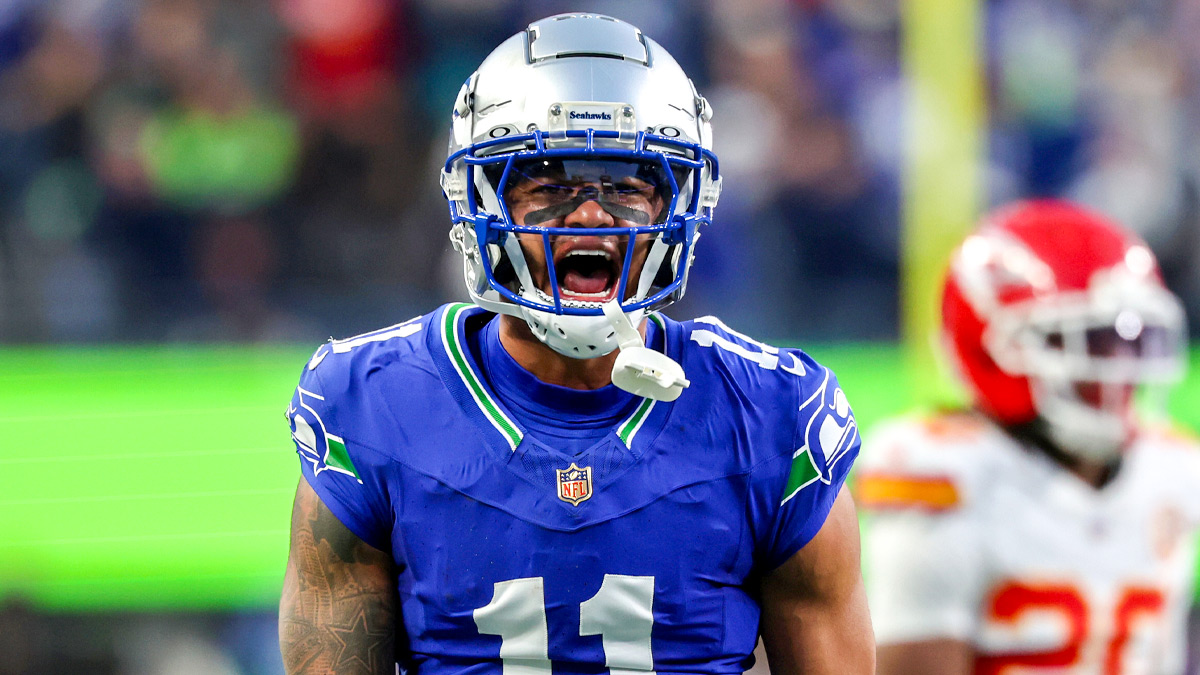
The Seahawks have enough offensive playmakers to remain competitive, provided their blocking is effective. Jaxon Smith-Njigba continues to be a reliable receiving target, while Cooper Kupp brings experience and the ability to exploit opportunities against softer coverage. Additionally, Rashid Shaheed is returning from a knee injury, which adds another crucial element to Seattle's passing attack. These offensive weapons give quarterback Fleury several options for advancing the ball, but their effectiveness partly relies on the quarterbacks having sufficient time to execute their progressions. A healthy Sam Darnold can challenge defenses deep and take advantage of Seattle's receiving depth, while Drew Lock has shown he can effectively manage games when the offensive line minimizes pressure.
The running game has also shown signs of improvement. Zach Charbonnet made a strong return from a long injury absence, totaling 77 rushing yards against Arizona, which is encouraging after Seattle's earlier struggles to establish offensive balance. Jadarian Price is also back, adding another valuable option in the backfield as the team gears up for the second half of the season.
Their presence should help lighten the offensive burden on the quarterbacks, especially if Nelson returns and enhances the consistency of Seattle's interior blocking.
Seahawks had the resources to consider another acquisition
Seattle's inactivity on deadline day was not solely due to limited draft capital. Although the team gave up two draft picks for Nelson, the Seahawks are projected to have approximately 10 picks in the 2027 NFL Draft, including compensatory selections. This means the organization retained enough flexibility to consider a modest acquisition without significantly compromising its future.
General Manager John Schneider reportedly explored other opportunities, including an initial inquiry about Colts running back Jonathan Taylor. However, Indianapolis ultimately decided to keep Taylor, and the substantial compensation required for him likely explains why Seattle chose not to pursue that option further.
Avoiding another costly transaction was sensible, especially with Charbonnet and Price returning from injuries. The Seahawks did not need to pursue another established star or sacrifice valuable draft picks just to bolster their offensive depth.
An experienced rotational tackle could have represented a more economical addition, providing protection against injuries without disrupting the team's current starters. There is no confirmation that a suitable player was available at an acceptable cost, and Jones' performance against Arizona suggests that Seattle already has a capable reserve.