
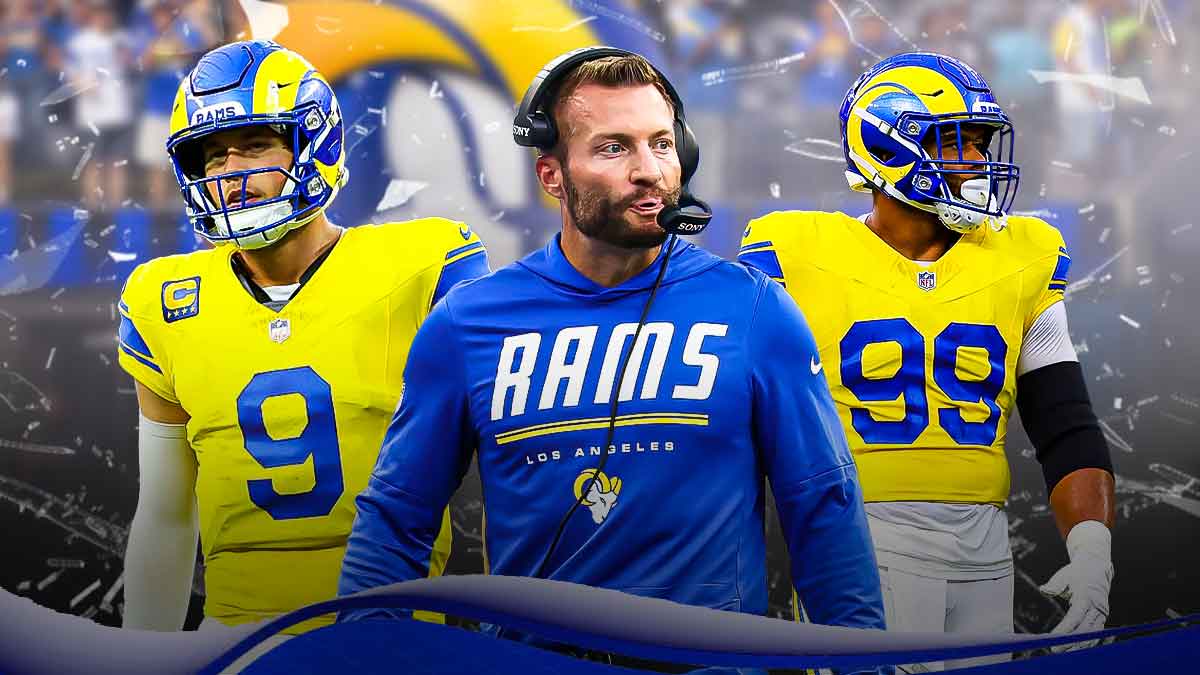
The Los Angeles Rams did not simply lose Sunday night. They let a winnable game slip away in quite a painful fashion. Against the Denver Broncos, the Rams watched a 20-17 lead evaporate in the high-altitude pressure cooker. Los Angeles fell 24-20 and dropped to 1-2. The defeat was especially frustrating because Los Angeles had enough opportunities to finish the job. Matthew Stafford and the offense moved the ball early. Aaron Donald created disruption inside. The Rams repeatedly appeared to have Denver on the ropes. When the game entered its decisive stages, though, the execution disappeared. The Broncos found answers, while Los Angeles supplied too many of its own problems. That was what made this loss sting so badly.
Promising start, brutal collapse
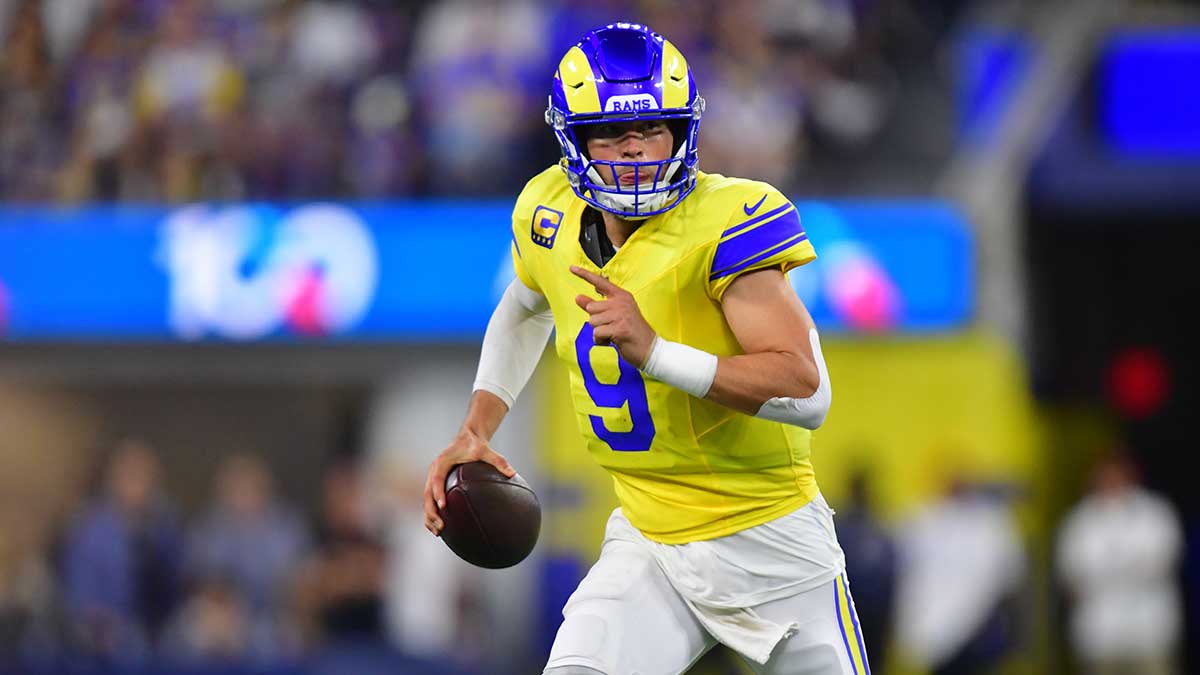
After an explosive opening half where Stafford distributed the football with precision to move the chains, the Rams' offensive machine sputtered into total disarray after halftime. Denver’s defense dialed up relentless pressure. They suffocated the run game by bottling up Kyren Williams and Blake Corum in short-yardage situations. Defensively, Donald provided his customary disruption and commanded multi-man blocking attention on the interior. However, the absence of marquee edge rusher Myles Garrett loomed large as the Broncos extended critical third downs through off-schedule scrambles and quick perimeter strikes. Costly pre-snap penalties and an absolute drought of offensive rhythm across the final two quarters left the Rams gasping for air. The loss also continued a difficult early-season stretch in which Los Angeles has now opened with three consecutive prime-time games.
QB Matthew Stafford
When evaluating the primary culprits behind this stinging setback, the fingers ultimately point toward the franchise quarterback. This was not Stafford at his best when the Rams needed him most.
Denver's pressure gradually compressed the pocket. Stafford struggled to consistently find clean throwing platforms once the Broncos increased the heat. He became increasingly aggressive in situations where patience was required. The fourth-quarter interception was particularly damaging. It ended a possession with Los Angeles needing to protect its advantage and gave Denver the field position and momentum necessary to complete its comeback.
That is the frustrating part for the Rams. Stafford has earned the benefit of the doubt because he has repeatedly delivered in enormous moments. He entered the season as the reigning MVP and had just thrown four touchdowns against New York. However, greatness comes with accountability. In a one-score road game against a quality opponent, the quarterback cannot afford to hand the opposition a late lifeline.
Coach Sean McVay
McVay also deserves significant blame for allowing Denver's defense to dictate the terms after halftime. The Rams' early use of multiple tight-end packages and varied personnel helped create movement and favorable matchups. Stafford opened the game by finding Tyler Higbee for a touchdown and Adams for a 22-yard gain.
That creativity faded. As Denver increasingly loaded the box and generated pressure, the Rams struggled to counter with enough misdirection and screen action. The running game also became increasingly difficult to sustain. These left Stafford in predictable passing situations and allowed Denver's rush to attack.
This is where McVay's reputation becomes relevant. He has built his career on offensive adaptability. When the defense changes the equation, his offense is supposed to change with it. Instead, Los Angeles became increasingly predictable.
Perimeter pass rush
The defensive side of the equation brings another major culprit into focus: Los Angeles' edge pressure. To be clear, Donald did his part. His return had already transformed the Rams' defensive ceiling after he came out of retirement. Denver entered the game knowing it could not leave him consistently isolated inside.
That attention should have created opportunities elsewhere. Instead, the perimeter rush failed to capitalize consistently. Without Garrett, who remained on injured reserve with a knee injury, the Rams needed their other edge defenders to create enough disruption to prevent Bo Nix from extending drives. Sadly, Los Angeles could not consistently collapse the pocket or maintain outside contain.
That proved devastating. Nix did not need to dominate the game statistically. He simply needed enough time and space to make the critical plays when the Rams' defense was most vulnerable.
Outlook

This is why the loss feels bigger than a simple 1-2 record. Los Angeles has the talent to contend. Stafford remains one of the league's most accomplished quarterbacks. Adams gives the offense another elite weapon, Donald's return has transformed the defensive interior. McVay remains one of the NFL's most accomplished offensive minds. The Rams also showed in Week 2 exactly how explosive they can be when everything clicks.
Against Denver, though, the Rams had opportunities to seize control and failed to capitalize. At 1-2, there is no reason for panic yet. Still, the margin for error has already narrowed considerably. The Rams do not need a dramatic overhaul. They just need sharper execution when games tighten. They need better answers when defenses adjust. Their stars must play like stars when everything is on the line.