
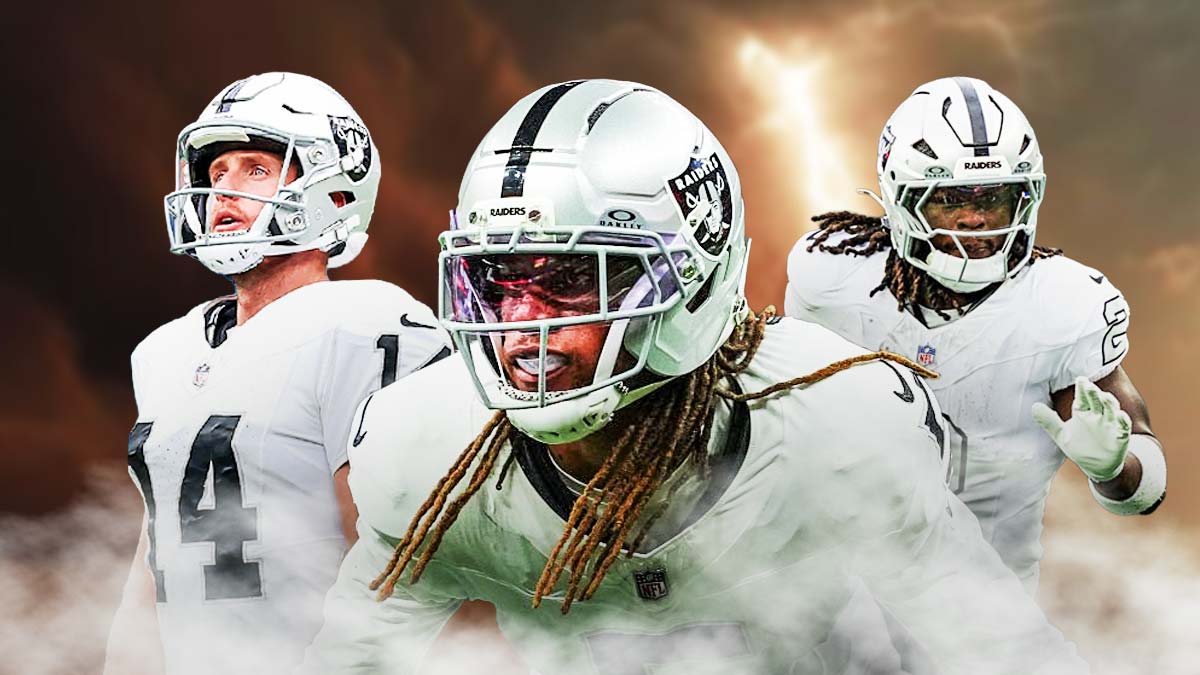
The Las Vegas Raiders entered Week 5 looking like a team capable of making noise in the AFC. Their 3-1 start offered reasons for optimism, but their trip to New England delivered a brutal reality check. Drake Maye picked apart the defense, the running game disappeared, and the Raiders repeatedly failed to respond when the Patriots seized control. By the time Fernando Mendoza entered for garbage-time duty, Las Vegas had been thoroughly exposed in a 45-17 defeat. This was a collective failure that revealed serious problems on both sides of the ball. The secondary deserves the biggest share of the blame, but the offensive line and coaching staff also have plenty of explaining to do.
Secondary
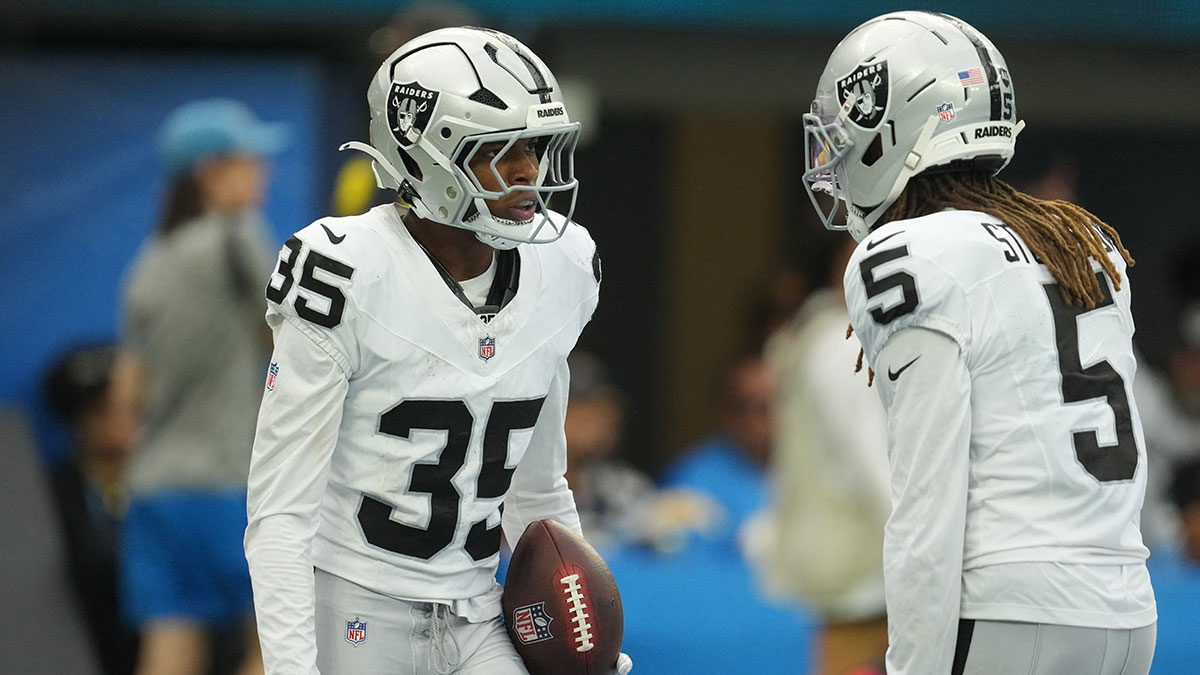
The most glaring failure belonged to a Las Vegas secondary that had no solution for Maye. The Patriots quarterback completed 26 of 34 passes for 374 yards and four touchdowns. He then added a rushing score to finish with five total touchdowns. New England piled up 536 yards and 29 first downs. Maye opened the scoring with a 35-yard touchdown pass to DeMario Douglas, who found himself wide open. It was an ominous preview of what followed. Douglas caught two touchdown passes, while Hunter Henry and Kyle Williams also found the end zone through the air.
The Raiders entered the matchup among the league leaders in takeaways. However, they failed to intercept Maye even once. Instead, their coverage repeatedly broke down as New England attacked the intermediate areas and stretched the field vertically. Maye was given too many clean pockets and too many opportunities to throw to receivers with separation. A defense cannot expect to survive that combination, especially against a quarterback like Maye.
Offensive line
Las Vegas' offense deserves its own share of the blame, particularly up front. The Raiders entered Week 5 tied for the fewest sacks allowed in the league. However, New England brought Kirk Cousins down three times. They consistently disrupted the offense's rhythm. Cousins finished 19 of 28 for 243 yards and a touchdown, respectable numbers on paper but insufficient to keep pace with Maye's explosion.
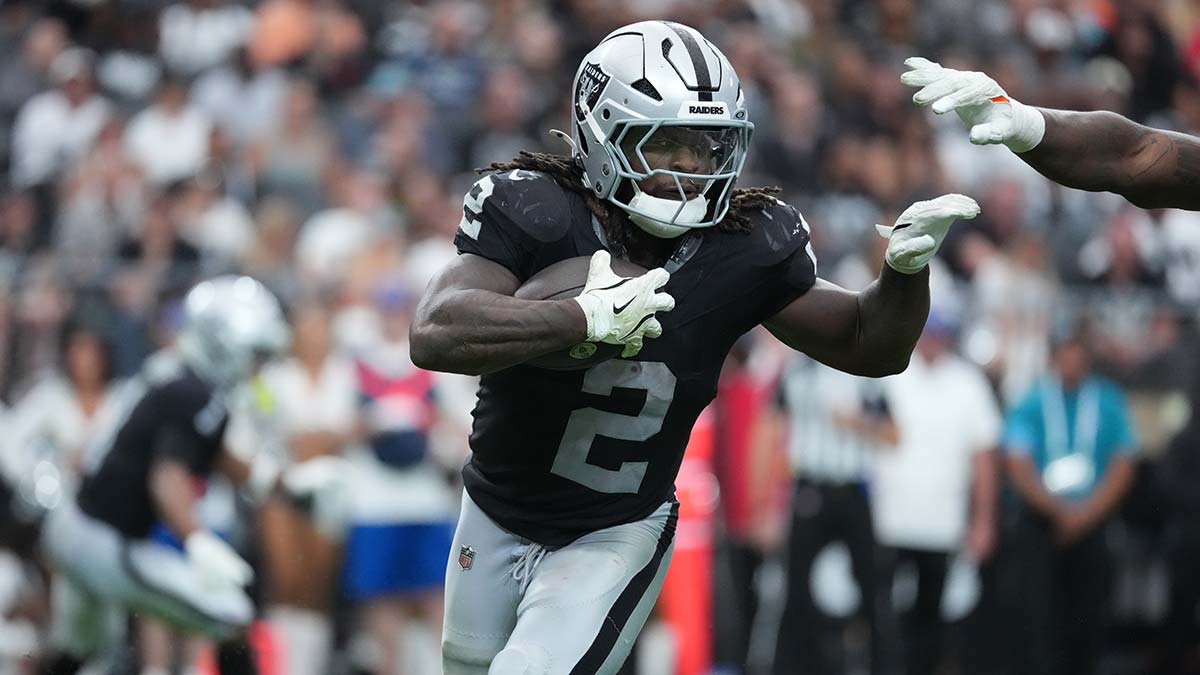
The larger problem was the disappearance of the ground game. Ashton Jeanty managed just 27 rushing yards. Las Vegas finished with a dismal 38 yards on 18 carries. That left the Raiders without a dependable way to control the clock or punish New England for prioritizing coverage.
Brock Bowers offered a bright spot with eight catches for 110 yards and a touchdown. Still, one productive receiving target could not rescue an offense that struggled to sustain drives. Las Vegas must fix its blocking and rushing efficiency before another opponent exploits the same weakness.
Coaching
The Raiders' problems extended beyond personnel. A team that had entered the weekend among the NFL's least-penalized outfits committed eight penalties for 101 yards. Those mistakes repeatedly undermined any chance of building momentum.
Head coach Klint Kubiak and defensive coordinator Rob Leonard must also confront how thoroughly their team was outcoached. New England attacked the same vulnerabilities throughout the afternoon. The Raiders never found a reliable adjustment.
Article Continues BelowSpecial teams did little to change the momentum, either. Matt Gay missed a 49-yard field-goal attempt, one of two tries he did not convert. The Raiders cannot expect to win consistently when penalties, stalled drives, and defensive breakdowns pile up together.
Response, not excuses
The defeat dropped Las Vegas to 3-2, leaving its season far from ruined but its early optimism badly shaken. Mendoza's late appearance offered a glimpse of the future, yet the quarterback situation should not distract from the immediate problems facing this team. Cousins was not solely responsible for the loss. Replacing him would not repair a defense that allowed Maye to operate almost untouched.
The Raiders must restore discipline, improve their run blocking, and find a way to make opposing quarterbacks uncomfortable. Most importantly, Graham's defense needs to rediscover the takeaway-producing identity.