
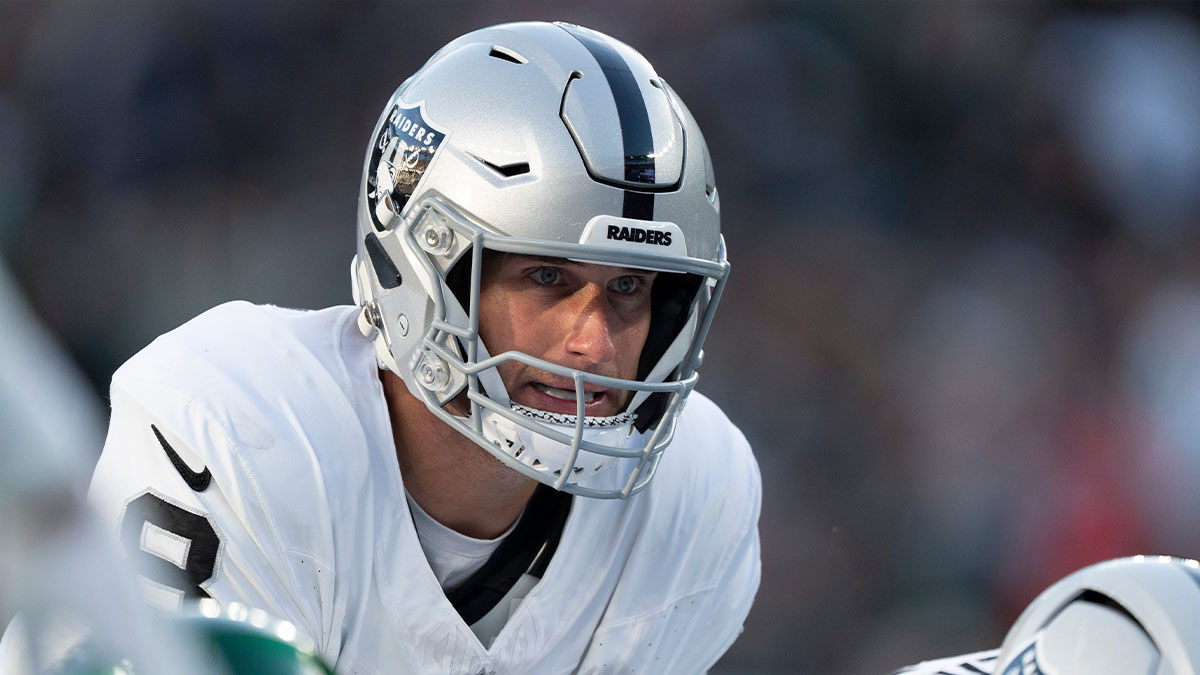
The Las Vegas Raiders made one of the most surprising moves at the 2026 NFL trade deadline by sending quarterback Kirk Cousins to the Minnesota Vikings in exchange for a third-round pick in the 2027 NFL Draft. This decision officially opens the door for Fernando Mendoza, the No. 1 overall selection, to become the franchise's starting quarterback.
General manager John Spytek explained on Tuesday that the Raiders had not actively sought to trade Cousins. According to NFL Network's Mike Garafolo, negotiations began when the Vikings reached out to the Raiders that morning. During his nine-game stint with Las Vegas, Cousins threw for 2,340 yards, recording 20 touchdowns and eight interceptions.
Mendoza will now lead an offense that includes Brock Bowers and several developing receivers. His promotion has intriguing fantasy implications, particularly for managers considering Bowers' production and Mendoza's potential in Superflex leagues. However, the transition may be challenging, as Mendoza faces the Seattle Seahawks and the Denver Broncos in his first two starts.
While the Raiders were justified in taking advantage of Minnesota's offer, they made a significant misstep by allowing the trade deadline to pass without acquiring another established wide receiver. This leaves their rookie quarterback with a supporting cast that still lacks proven depth.
Raiders made a mistake by failing to strengthen their receiving corps
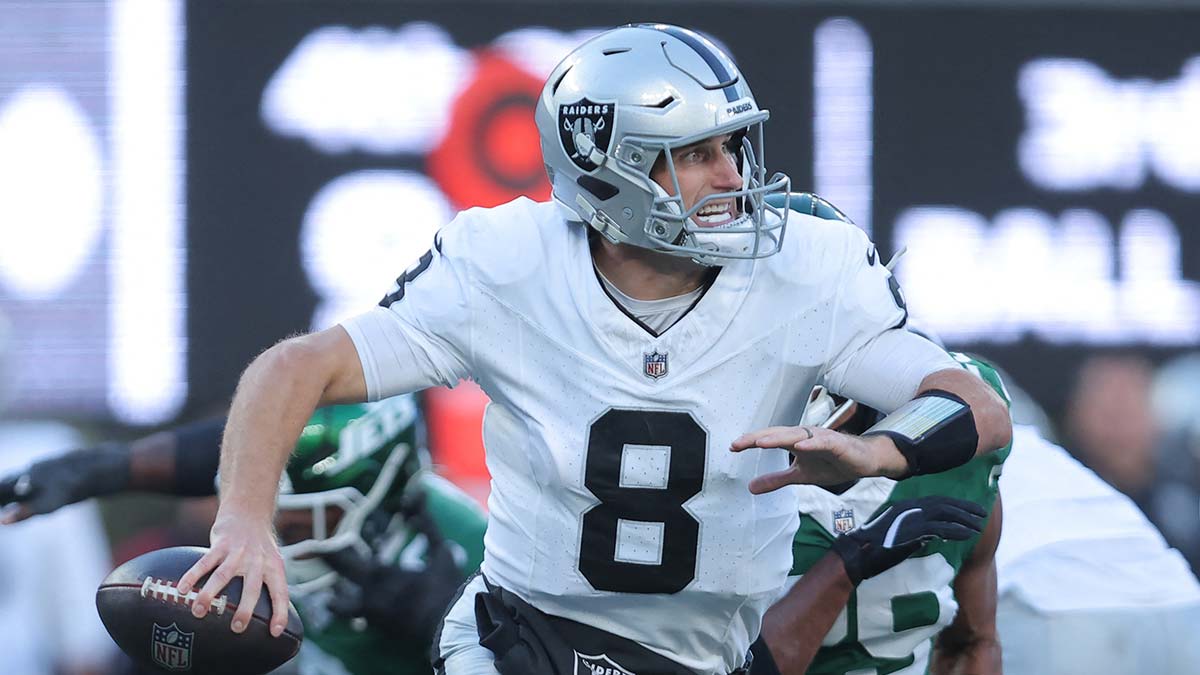
Trading Kirk Cousins was a logical decision for an organization that invested the first overall pick in quarterback Mendoza. Las Vegas entered the season hoping its veteran quarterback would provide stability while the rookie developed behind the scenes, and Cousins achieved much of that goal, helping the Raiders start the season 3-0 before the team lost five of its next six games.
The 38-17 defeat against San Francisco in Week 9 highlighted the challenges facing the franchise. Cousins threw three interceptions, and the offense struggled to remain competitive against one of the NFC's strongest teams. By accepting Minnesota's third-round selection, General Manager Spytek recovered valuable draft capital while paving the way for Mendoza to begin his development.
However, Las Vegas failed to address a critical issue before making this transition. Mendoza will start his career with a receiving group that has shown significant inconsistency throughout the season. While the Raiders have talented players, they have struggled to achieve dependable production beyond their leading targets. Tre Tucker has emerged as the team's most productive wide receiver, recording 33 receptions for 529 yards and four touchdowns. His speed provides a legitimate deep threat, and his performances against Buffalo and the Rams showcased his ability to create explosive plays. Nevertheless, Tucker's production has fluctuated dramatically. He finished with no receptions against the Jets in Week 8, then recorded four catches for 55 yards against San Francisco.
Brock Bowers cannot carry the passing game alone
Bowers is the most accomplished receiving threat on the Raiders' roster, and his recent performances highlight why he should be central to Mendoza's development. The tight end caught seven passes for 111 yards and a touchdown against San Francisco, following another strong performance against the Jets, where he recorded 92 yards and two touchdowns. His ability to work in various alignments makes him particularly valuable for a rookie quarterback. Bowers can provide manageable passing options underneath coverage while also gaining additional yardage after the catch, but the challenge arises when defenses start treating him as the only significant receiving threat that needs constant attention.
Opponents may dedicate extra coverage to Bowers, especially on critical passing downs. This strategy forces Mendoza to look for alternative targets, who might struggle to create separation, and while Michael Mayer is another talented tight end for Las Vegas, his presence does not fully address the need for a reliable outside receiver. The Raiders also have Ashton Jeanty, who contributes to the passing game and can serve as an outlet when primary passing plays falter. His involvement can help Mendoza avoid unnecessary risks, but an offense that leans too heavily on short throws to running backs and tight ends becomes easier to predict.
Other teams showed what Las Vegas could have done
The final hours leading up to Tuesday's deadline demonstrated that acquiring receiving help did not necessarily require surrendering premium draft capital. Kansas City secured Josh Downs from Indianapolis, along with a 2027 seventh-round selection, in exchange for fourth- and fifth-round picks in the same draft. Meanwhile, San Francisco completed another deal with the Colts, acquiring veteran Keenan Allen for a 2027 sixth-round selection.
Although these transactions involved different circumstances and do not guarantee that the Raiders could have negotiated similar terms, they illustrate that receiving talent was available for costs that did not demand first- or second-round compensation. Allen, in particular, represented the type of experienced receiver who could have benefited a young quarterback. His established route-running skills and experience navigating complex defensive coverage could have been a valuable complement to Las Vegas' younger playmakers. Downs provided a different profile, showcasing his quickness and effective slot play.
The Raiders were not obligated to pursue either player specifically, and there is no confirmed indication that Indianapolis received an offer from Las Vegas. Nevertheless, the availability of these players highlights a broader opportunity that Spytek allowed to pass.
The organization could have explored acquiring an experienced receiver while still preserving most of the draft capital recovered through the Cousins trade. Instead, Mendoza begins his first extended opportunity with essentially the same receiving options that struggled to produce consistent results during the opening nine games.
Fernando Mendoza deserves a better evaluation environment
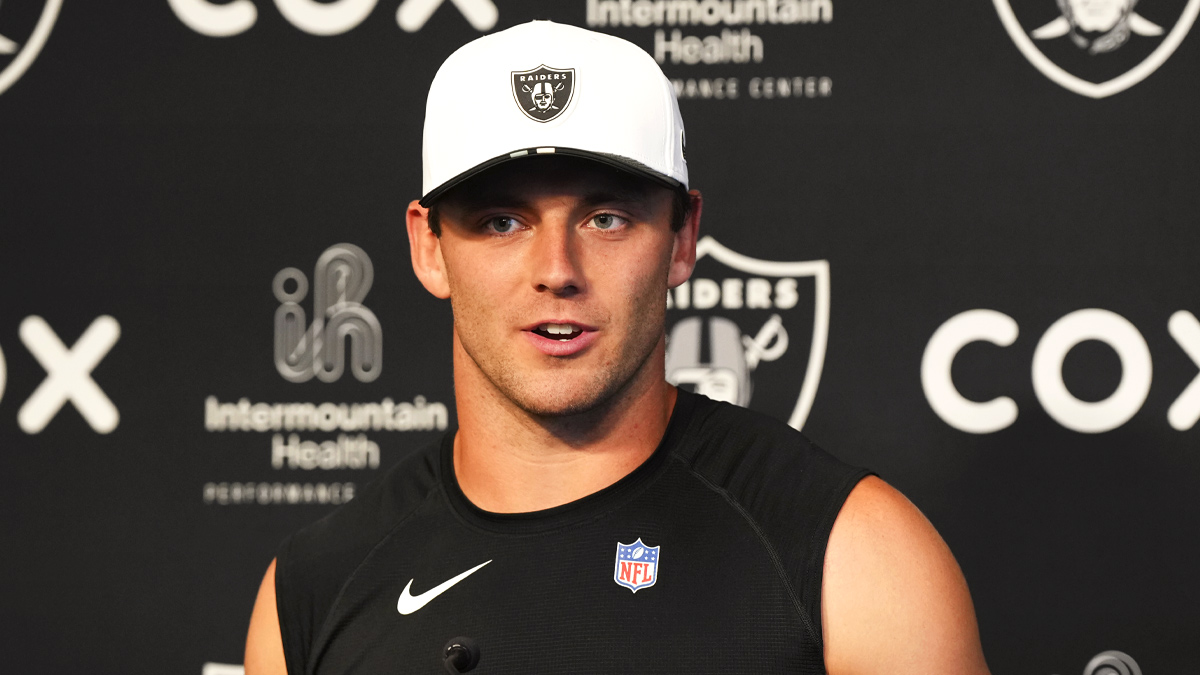
Klint Kubiak has expressed confidence in Mendoza's preparation, and the coaching staff believes the rookie has shown the maturity needed to handle starting responsibilities. Mendoza’s only regular-season appearance was in Week 5 against New England, where he completed six of eight passes for 48 yards after replacing Cousins during a lopsided defeat. However, this brief experience provides little indication of how he will perform when opposing defenses specifically prepare to challenge him.
Seattle presents a tough opening assignment, followed by a road matchup against Denver. Both teams have defenses capable of generating pressure and capitalizing on mistakes, so a rookie quarterback facing these challenges requires a supporting cast that allows the coaching staff to differentiate between developmental errors and limitations stemming from the players around him.
Las Vegas could have improved Mendoza's situation through a relatively modest acquisition before the trade deadline. The Raiders still have opportunities to address the quarterback position during the offseason, and their additional third-round selection will provide greater flexibility when evaluating prospects. However, this future investment does little to enhance Mendoza's immediate circumstances.