
One of the best arguments against the Protect College Sports Act comes from the obvious hypocrisy between placing artificial limits on player compensation and no limits on coach compensation.
There is no argument to justify the disconnect. That hasn’t stopped those trying to limit player freedoms from trying to come up with one.
Former radio host Doug Gottlieb, who has coached the University of Wisconsin Green Bay basketball program to a buyout-worthy record of 22-43 over two seasons, argued last week that “coaches are worth more than players, they just do more.” Right or wrong, that’s not the issue. The issue is whether one group of workers should have their pay limited in the name of “saving” college sports and whether another group should be able to follow the rules of a free marketplace.
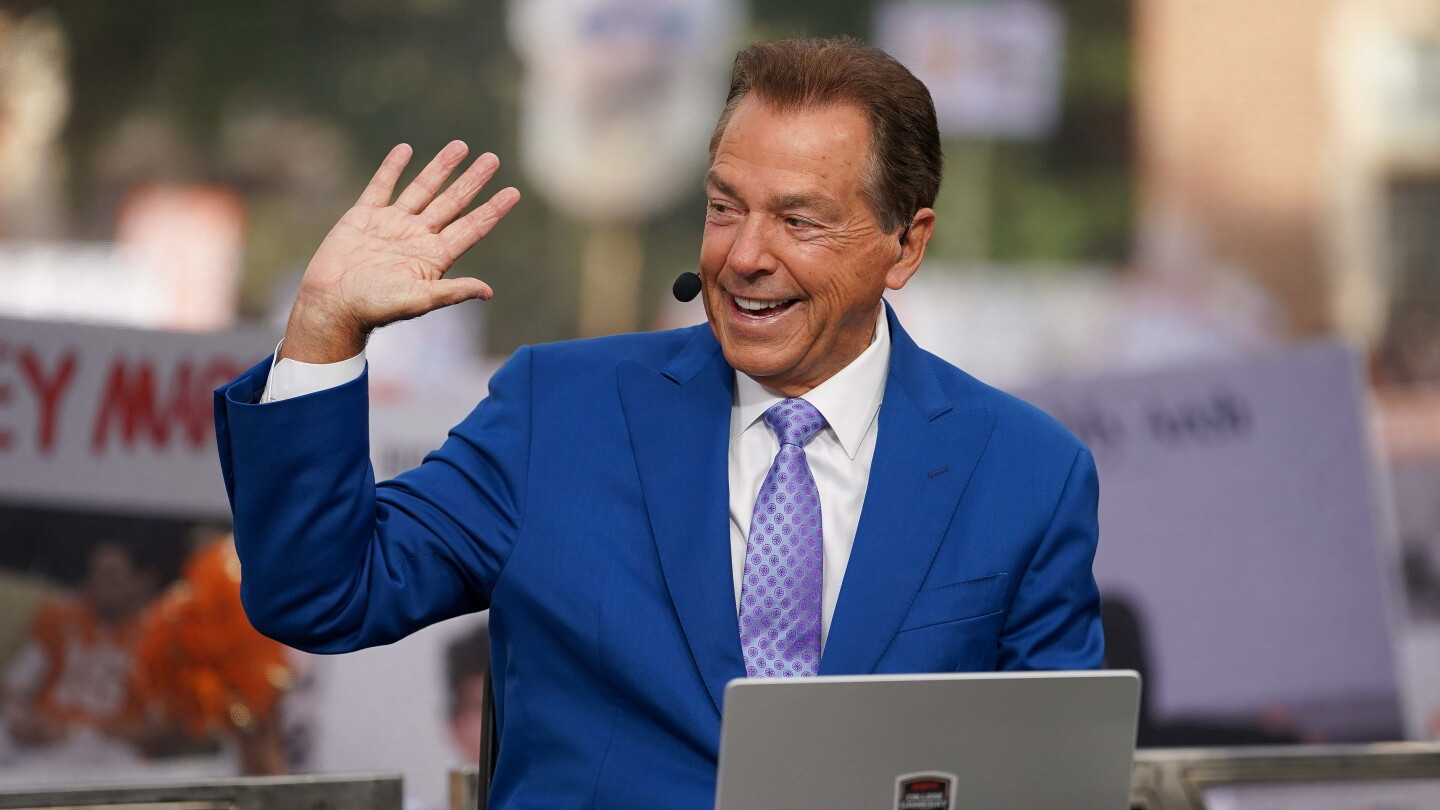
Former college football coach Nick Saban, who now works for ESPN and as a political operative aimed at getting the PCSA passed (I’d love to know how much, if anything, he’s getting paid to be a primary face of that effort), tried a similar approach while appearing Tuesday on First Take.
“Well, but these things are totally different markets,” Saban said in response to the clear double standard, via Awful Announcing. “Like, that’s like asking me, does a student’s scholarship equal the professor’s pay? I mean, how much value does a coach create for a university?”
First, let’s get past the “scholarship” bullshit. Student-athletes are no longer students. They’re employees, the same as the coach, the professor, and everyone else who provides services to a university. The actual cost to the school of having another student attend (or not attend) class is no longer relevant to the analysis. For many of the capable players, they’re majoring if anything in football — just don’t ask for the real stats on the placement rate. And with the schools turning their Advanced Football Studies coursework into many millions of dollars, they’re entitled to be paid now, especially since there’s a small chance of being paid later.
Second, Saban still avoids the issue. For players, capping their pay is supposedly necessary to “saving” the entire collegiate sports system. For coaches, it continues to be “grab what you can while you can.”
Saban then pivoted to the question of coaching buyouts, which also have gotten out of control. With, for some reason, no effort to get Congress to intervene.
“You know, rather than worry about amount of money people make,” Saban said, “I think the thing that has been difficult is when coaches get fired, and they have these huge buyouts. And everybody says, ‘Well, how can the university afford to pay him that?’ I think you can figure out, OK, you can’t have any more than a five-year contract or whatever it is. And maybe the buyout can only be so much. But I think that’s maybe a better way to approach it than try to make these two things — they’re different markets, you know? Players’ market’s different than coaches’ market.”
Whether Saban realizes it or not, he’s admitting to the existence of a disconnect by conceding that a certain type of limit should be placed on coaching compensation. He’s just suggesting something that doesn’t limit the pay a coach receives. He wants to limit the amount the coach would be owed if/when the school decides to fire one coach and hire another.
From player pay to professor pay to coaching pay to coaching buyouts, there are business decisions that every university must make in a way that balances the budget. In the past, the administrators were able to do that with a line item for “player compensation” that was $0.00. Now, it’s harder to balance the budget. They still should be expected to do it.
The issue isn’t chaos created by players being allowed to participate in capitalism. It’s chaos created by mismanagement. Schools make purchases they can’t afford, when it comes to the revenue-generating sports programs — especially since those programs are required for some reason to subsidize the non-revenue-generating sports.
This shouldn’t be a political issue. It should be a “hire better businesspeople” issue. Businesspeople who know how best to generate maximum revenue and to carve it up responsibly. How to restrain themselves from pulling out all the stops to attract the next shiny object, player or coach, in the hopes of earning even more revenue.
The entire effort to cap player pay cuts against the supposed American ideal that stands for two simple words: Get paid. Given that one side is very well organized and funded and that the other is disorganized and voiceless, the effort to turn freedom on its head has had success in the Senate. Here’s hoping that the House of Representatives takes the basic concepts of U.S. financial liberty a little more seriously than 77 Senators have.