
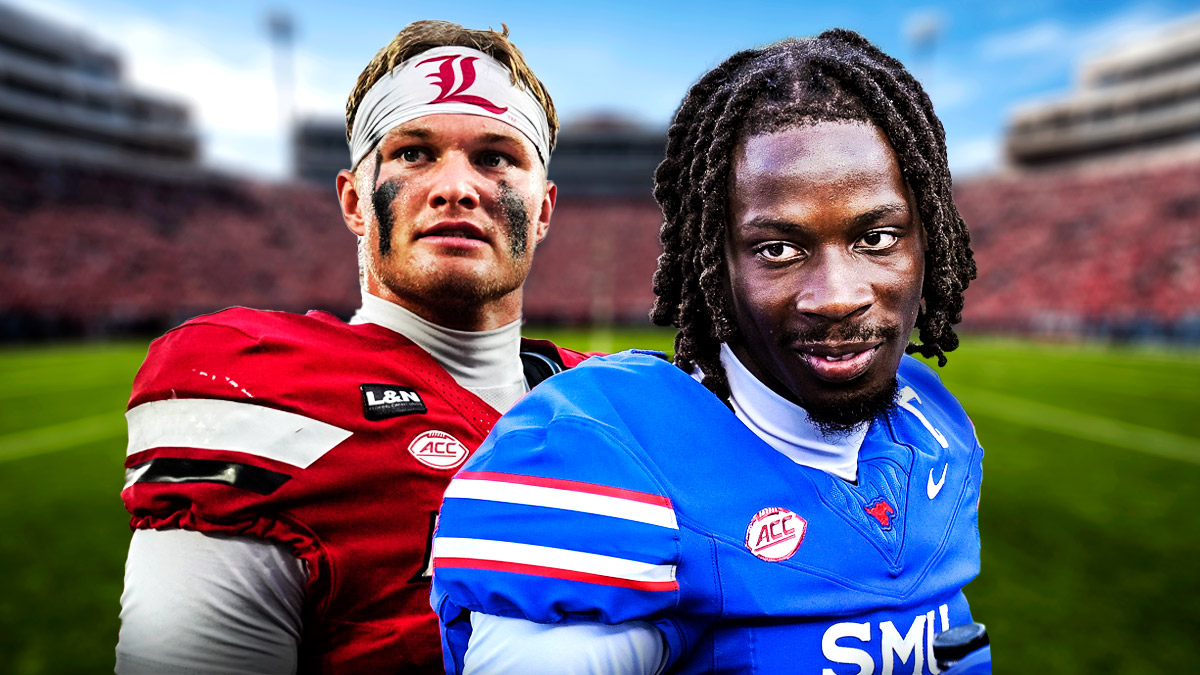
SaturdayâÂÂs ranked ACC matchup between SMU and Louisville gave NFL scouts a side-by-side evaluation of two quarterbacks at different stages of their development. Kevin Jennings entered as the established fifth-year playmaker with College Football Playoff experience. Lincoln Kienholz, the former Ohio State backup, entered his third Louisville start building a résumé.
LouisvilleâÂÂs 41-31 victory did not settle which quarterback has the higher NFL ceiling, but it clarified the conversation. Kienholz played the cleaner game. Jennings displayed more individual creation but also reinforced the volatility that could limit his draft stock.
Kevin Jennings showed talent and risk
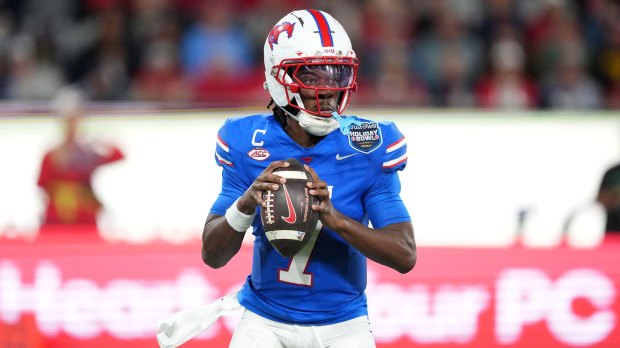
Jennings finished 24-of-35 for 222 yards, one touchdown and two interceptions. He also rushed nine times for 35 yards, repeatedly using his mobility to escape pressure or create yards when the initial structure disappeared.
The positives remain easy to identify. Jennings has a quick release, enough velocity to attack tight windows and athleticism to stress defenses outside the pocket. His 19-yard touchdown throw to Yamir Knight demonstrated his ability to operate in rhythm, while several drive-extending plays showed why scouts view him as a dangerous second-reaction quarterback.
However, the game magnified his biggest evaluation concerns: decision-making and ball security. Louisville cornerback Kaleb Beasley intercepted him twice, including the game-sealing takeaway, and Jennings lost a fumble just before crossing the goal line with 2:43 remaining. SMU produced 479 total yards and 27 first downs, but its three turnovers became the difference against a Louisville team that did not give the ball away.
That goal-line fumble was particularly damaging. Jennings had created a would-be touchdown with his legs, then failed to secure the football as he approached contact. For NFL evaluators, explosive improvisation loses value when it ends in a turnover. His undersized 6-foot, 192-pound frame also makes unnecessary exposure to hits a legitimate durability concern.
Lincoln Kienholz delivered efficient answers
KienholzâÂÂs numbers were less spectacular, but his tape was steadier. He completed 14 of 23 passes for 177 yards and two touchdowns without an interception, added 42 rushing yards and scored on a quarterback keeper. Louisville averaged 7.4 yards per play and scored on six possessions despite converting only three of 10 third downs.
Article Continues BelowLINCOLN KIENHOLZ DIME.
HEâÂÂS UNREAL. pic.twitter.com/0BhnyEQLvr
â CFB Kings (@CFBKings) September 19, 2026
The 6-foot-2, 215-pound transfer showed functional mobility, composure and a willingness to play within Jeff BrohmâÂÂs offense. His 33-yard touchdown to Lawayne McCoy punished a coverage breakdown, while his short scoring pass to Jaleel Skinner showed appropriate red-zone timing. Most importantly, Kienholz avoided the catastrophic mistake.
Scouts should not overreact to the box score. LouisvilleâÂÂs running backs carried the offense, combining for 230 yards, and Kienholz attempted only 23 passes. He was not consistently asked to win from obvious passing situations or make layered, full-field reads. The performance helped his projection, but it did not prove he is ready to direct an NFL offense.
Draft stock moved differently
Jennings remains the more dynamic creator and the quarterback with the larger body of starting experience. His arm elasticity, movement skills and ability to manufacture offense are legitimate NFL traits. Yet Louisville supplied fresh evidence that his aggressive style can become reckless when the game tightens.
Kienholz gave scouts fewer high-end throws, but he strengthened his developmental case. Through his first two Louisville games, he had passed for 639 yards, rushed for 111 and accounted for seven touchdowns without an interception. Against SMU, he proved he could reduce volume, protect the football and still deliver in a ranked conference game.
The clearest takeaway is that Jennings remains the higher-variance prospect, while Kienholz currently looks like the cleaner developmental bet. Jennings flashed more difficult-to-teach ability, but his three turnovers cost SMU its best chance to win. Kienholz did less, managed the game better and let LouisvilleâÂÂs rushing attack control the contest. NFL scouts likely left impressed by both quarterbacksâ mobility, but with far fewer questions about KienholzâÂÂs judgment on this afternoon.