
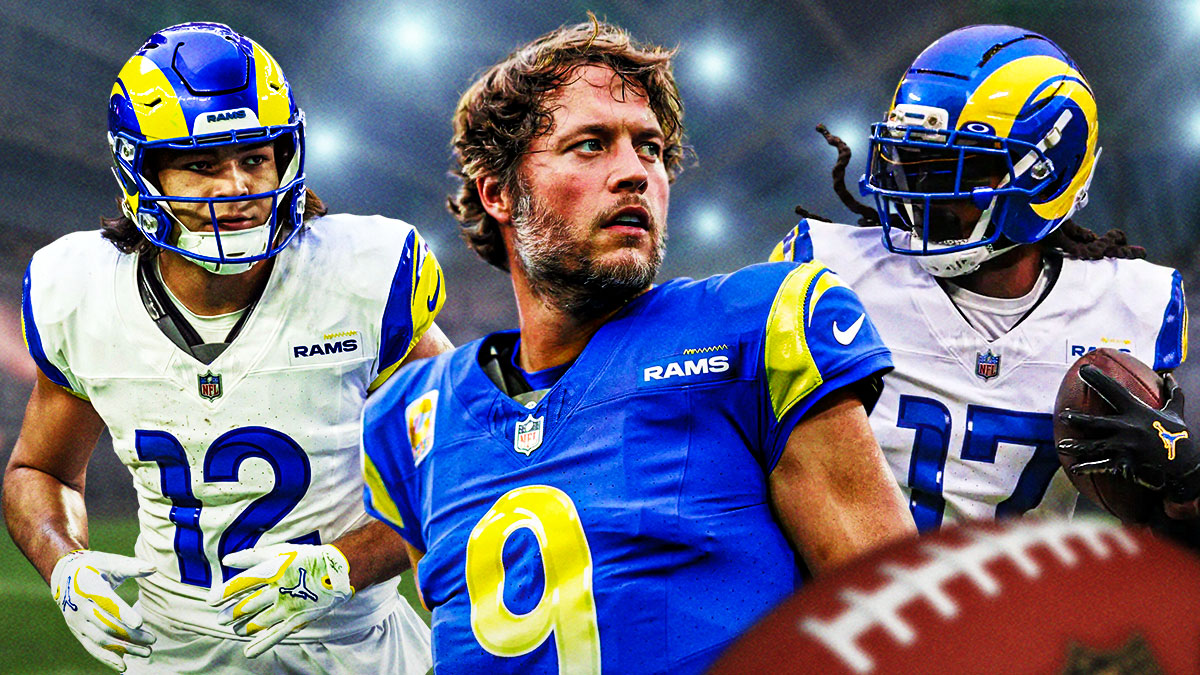
The Los Angeles Rams have earned the criticism. They have not earned a season-ending verdict.
Sunday’s 18-16 home loss to the Arizona Cardinals dropped Los Angeles to 2-4, a record nobody envisioned for a team that entered the season as a Super Bowl favorite. Losing to a division opponent that arrived at 1-4 makes the questions unavoidable: Where is the dominance, and why does this collection of talent keep finding ways to lose?
Still, calling the Rams a bust after six games confuses a disappointing start with a finished product. Their problems are real. So are the reasons to believe this season remains salvageable.
The Rams are losing games their talent should win
There is no spinning Sunday into an encouraging performance.
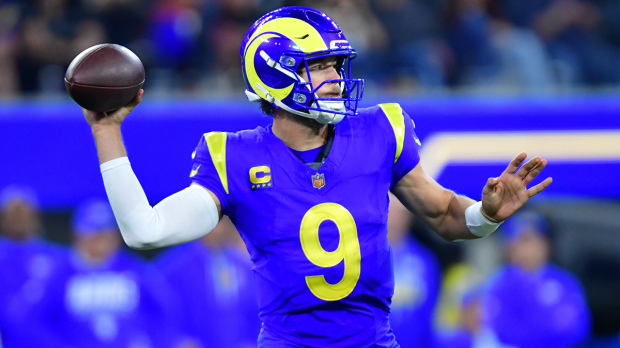
Matthew Stafford finished with 222 passing yards, two touchdowns and no interceptions, but those respectable totals concealed an offense that spent most of the afternoon struggling. Before the late touchdown drive, he had completed 18 of 26 passes for just 137 yards. Arizona repeatedly prevented Los Angeles from generating meaningful gains.
Protection was another concern. With left tackle Alaric Jackson suspended following his postgame punch of Buffalo’s Bradley Chubb, Stafford faced frequent pressure, and the passing attack lacked rhythm. That does not excuse the performance, but it helps explain why an offense loaded with expectations looked so restricted.
Special teams compounded the frustration. Newly signed kicker Blake Grupe suffered a knee injury making a tackle after a 40-yard kickoff return and did not return. The Rams had already replaced struggling kicker Harrison Mevis, yet the instability continued.
These are not cosmetic flaws. Protection, field position and situational execution decide close games, and Los Angeles keeps mishandling them.
The offense still offers a credible path back
The strongest argument against writing off the Rams is not their reputation. It is the evidence that their offense remains capable of much more.
Los Angeles entered Sunday leading the NFL in yards per game. That does not erase its inconsistency, but it contradicts the idea that this roster simply cannot function. The Rams are failing to translate production into dependable results, a different problem from lacking offensive firepower.
Their final touchdown drive against Arizona showed the distinction. Stafford and Puka Nacua helped engineer an eight-play, 86-yard march, capped by a five-yard touchdown pass to Colby Parkinson. The possession took just 2:01 and briefly put Los Angeles ahead.
Six days earlier, the Rams scored 34 points in an overtime loss to Buffalo. An offense capable of that output has not suddenly become hopeless because its next performance was ugly.
Article Continues BelowThe task for Sean McVay is making those productive stretches repeatable rather than waiting for desperation to unlock them.
Close losses demand corrections, not surrender
The Rams have lost games by two, three and four points, with special teams problems featuring prominently in all three. Narrow margins are not a defense of their record. They are evidence that specific improvements could materially change their results.
That distinction matters. Los Angeles does not need to discover an entirely new identity overnight. It needs cleaner protection, more consistent early offense and fewer mistakes that hand opponents favorable situations.
None of that guarantees a turnaround. Eleven remaining games offer opportunity, not immunity from consequences.
The superteam label has become an easy punchline because the Rams have performed nothing like one. But October embarrassment does not have to become January absence. Calling this experiment finished now would be premature; demanding immediate improvement is entirely justified.