
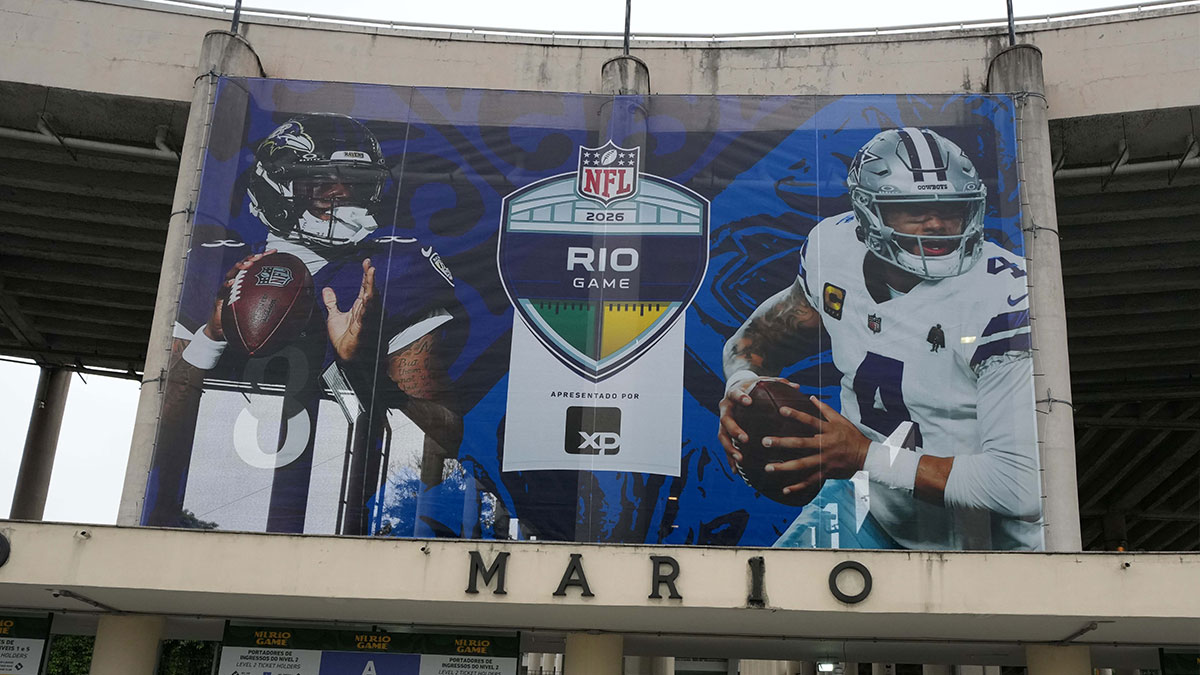
In the week leading up to the Ravens-Cowboys game in Rio de Janeiro, much of the conversation centered around the condition of the field at the Maracanã Stadium. Photos circulated online, raising concerns about traction and stability, prompting the league to spend considerable time addressing the efforts made to prepare the surface for an NFL game. By the time Sunday arrived, the state of the grass had become a central narrative surrounding the event, despite the fact that what transpired around the stadium provided a more revealing insight into the NFL’s relationship with Brazil.
Throughout the weekend, I attended three different fan gatherings, two associated with the Cowboys and one with the Ravens, before watching the crowd arrive at the Maracanã and later spill back into the streets after Baltimore's 34-31 victory. What struck me most was not just the size of the audience or the novelty of seeing an NFL game in Rio, but how little the crowd resembled casual spectators who had purchased tickets simply because something unusual was happening in their city.
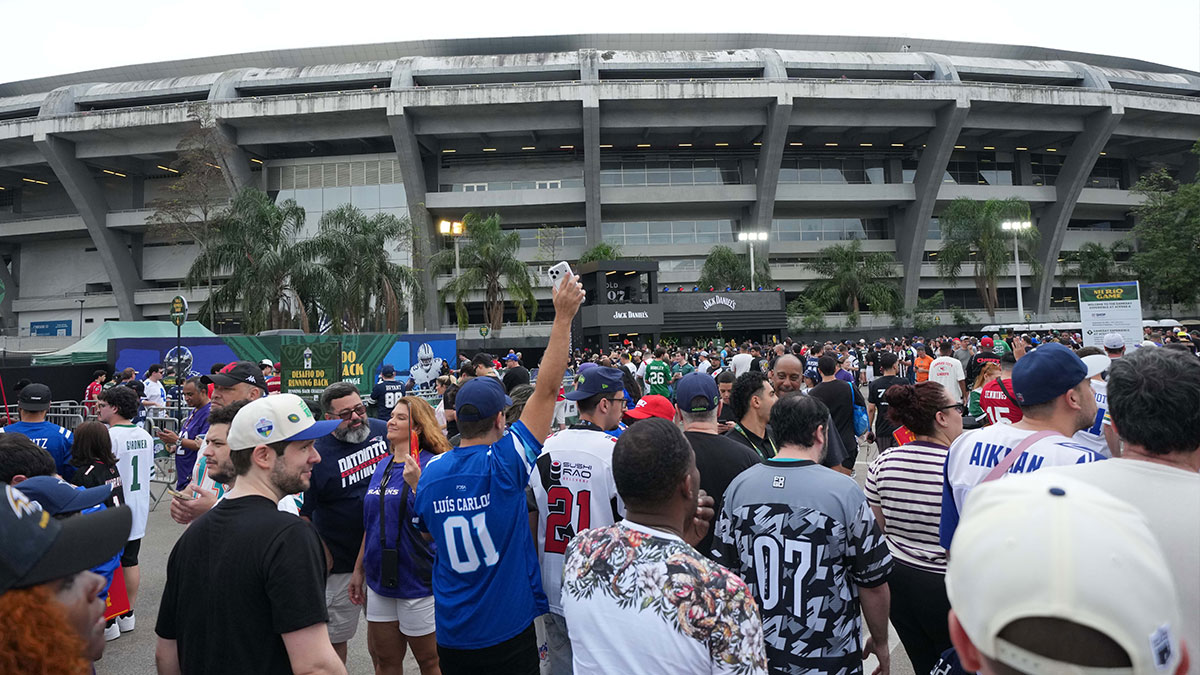
Everywhere I went around the fan events and the stadium, Brazilians sported NFL jerseys that represented a variety of franchises, not just the Cowboys and Ravens. Many fans I spoke with were attending an NFL game in person for the first time, largely because previous games in Brazil had taken place in São Paulo. However, this did not mean they were newcomers to the sport. For a significant portion of the crowd, this new experience was simply about having the league close enough to finally watch it live.
So, this is important because international expansion needs to evolve beyond mere curiosity. A major event can sell tickets once simply because people want to experience something different, especially in a city like Rio de Janeiro, known for hosting large sporting events. What unfolded around the Maracanã felt more established, with fans already connected to their franchises, participating in organized gatherings, and treating the weekend as an extension of a sport they had followed from thousands of miles away.
Brazil is building its own NFL culture
Nearly 73,000 people attended the game at the Maracanã, filling one of the most recognizable soccer stadiums in the world for a matchup between two American teams with no direct connection to Brazil. The attendance was impressive on its own, but the atmosphere surrounding the game provided an even better indication of how much the NFL’s presence in the country has changed over the past several years.
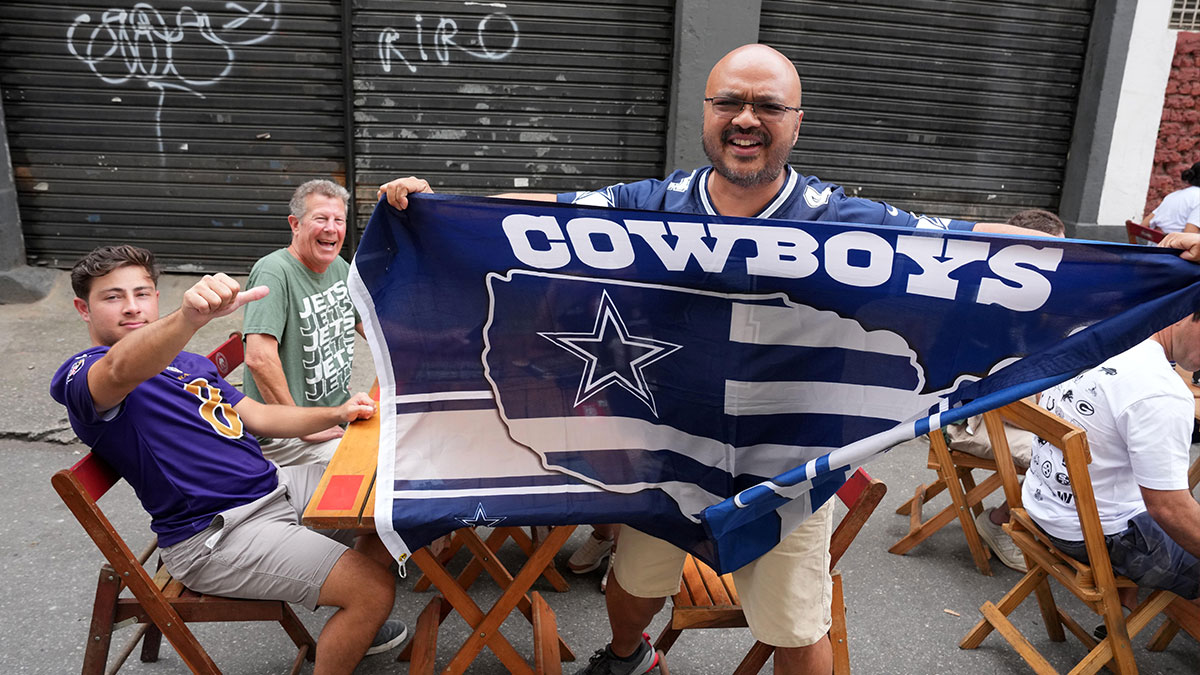
The fan gatherings were especially revealing, showcasing how Brazilian NFL culture is beginning to develop outside the league's organized events, and supporters of the Cowboys and Ravens gathered in bars and other locations throughout Rio before game day. These gatherings created spaces for fans who typically interact through television, social media, and online communities to experience a more communal side of an NFL weekend.
The tailgate scene in Rio, with Brazilian fans repping jerseys from all 32 NFL teams 🇧🇷 pic.twitter.com/SHS9MVZ8hE
— Front Office Sports (@FOS) September 27, 2026
The result did not resemble a traditional American tailgate, nor did it need to. While parking-lot tailgating is a deeply embedded aspect of NFL culture in the United States, Brazilian fans have started to adapt the social elements of the sport to align with how crowds traditionally gather around major events in Brazil, incorporating bars, music, singing, and groups of supporters moving through the city together before kickoff.
This difference became even more evident once everyone entered the Maracanã. Brazilian crowds are accustomed to engaging throughout sporting events rather than waiting for a scoreboard prompt or a specific moment to react, and this cultural approach naturally followed the NFL into the stadium. Familiar songs became collective moments, and the local music and entertainment surrounding the game helped to make the afternoon feel less like an American event temporarily transplanted into Rio and more like an NFL game interpreted through a Brazilian sporting environment.
The league can learn something important from this, particularly regarding the relationship between fans and the atmosphere surrounding a game. NFL stadiums in the United States can be extraordinarily loud and intense, especially in markets with long-standing football traditions. However, the entertainment during American sports events has become highly programmed, with music, video-board segments, and promotions filling nearly every interruption.
The Maracanã demonstrated what can happen when a crowd is willing to create that atmosphere themselves. Brazilian fans did not need every reaction to be tied to a touchdown, third down, or defensive stop because they were singing and celebrating during all moments when nothing particularly significant was happening on the field. Yes, American stadiums don't need to exactly imitate Brazilian soccer crowds, but the experience in Rio suggested that providing supporters with more freedom to shape the atmosphere can add something valuable to an event that cannot always be manufactured through in-stadium production. This was noticed even with the Brazilian casters, screaming like it was a goal from the Brazilian National Team, popularly known as ”Amarelinha,” or ”little yellow.”
The Portuguese call of Tyler Loop’s game-winning kick in Rio is absolutely electric ⚡️🇧🇷
(📽️ @NFLBrasil)
pic.twitter.com/Zq3wJhgatT https://t.co/ZydbOlUhjM— Jordan Schultz (@Schultz_Report) September 27, 2026
The same idea applied to the diversity of jerseys seen around the stadium. Although this was officially a Ravens-Cowboys game, the crowd represented far more than just two fan bases, which is important for understanding the NFL’s growth in Brazil. Fans were not merely choosing between the visiting teams because a lot of the people there had their own allegiances and still wanted to be part of the event, and the opportunity to see regular-season NFL football in person remains relatively rare, making this experience even more significant. Also, many of them cheer for his own NFL team!
The field concern became part of a much bigger story
The anxiety surrounding the Maracanã's grass was more telling than it initially appeared. Brazilian fans expressed concerns about how the NFL, its players, and American fans would perceive the event in general. One Cowboys supporter specifically voiced his fear that poor field condition could jeopardize Brazil's chances of hosting more NFL games in the future.
This concern made sense, especially following the criticism of the field during the NFL's first game in Brazil, held in São Paulo. It illustrated how invested local fans have become in the league's long-term presence, and their worry extended beyond whether Dallas or Baltimore would stumble on a particular play because it encompassed the broader concern that a negative experience could be used as an argument against bringing the NFL back.
Once the game started, the field did not turn into the disaster many had feared, and the focus shifted to a contest that remained close until the final moments. Ultimately, Baltimore won 34-31, but the score felt almost secondary to the larger narrative created over the weekend. The NFL brought two prominent franchises to the Maracanã, and the crowd showed it was prepared to embrace the event as more than just a novelty.
Additionally, some Brazilians questioned whether the Maracanã, a stadium so closely tied to the country's soccer heritage, should be used for an American sport. Such a debate is understandable given the venue's significance, but the scenario also works in reverse. The fact that tens of thousands of Brazilians were willing to fill one of soccer’s most famous stadiums for an NFL game reflects how much space American football has managed to carve out for itself in the country, without needing to supplant the sport that traditionally defines the venue.
Brazil does not need to become a mirror of an American NFL market for the league's international strategy to succeed. The more fascinating development is that fans here are starting to forge their own habits around the sport, blending the league they watch weekly with the existing traditions of Brazilian stadium culture.
By the end of the weekend, the Maracanã's field had become just one part of a much larger story. The NFL arrived in Rio concerned about the surface's durability, but the crowd demonstrated that the more essential foundation is being built in the stands, bars, and fan communities surrounding the league.
For many Brazilians leaving the stadium after the Ravens-Cowboys game, the experience felt like more than just an introduction to the NFL. It felt like another step in a relationship that has been developing for years, with the focus increasingly shifting from whether the league belongs in Brazil to how much larger its presence here can become. And with high hopes that, next year, they can have not only one, but two games! Who knows?