
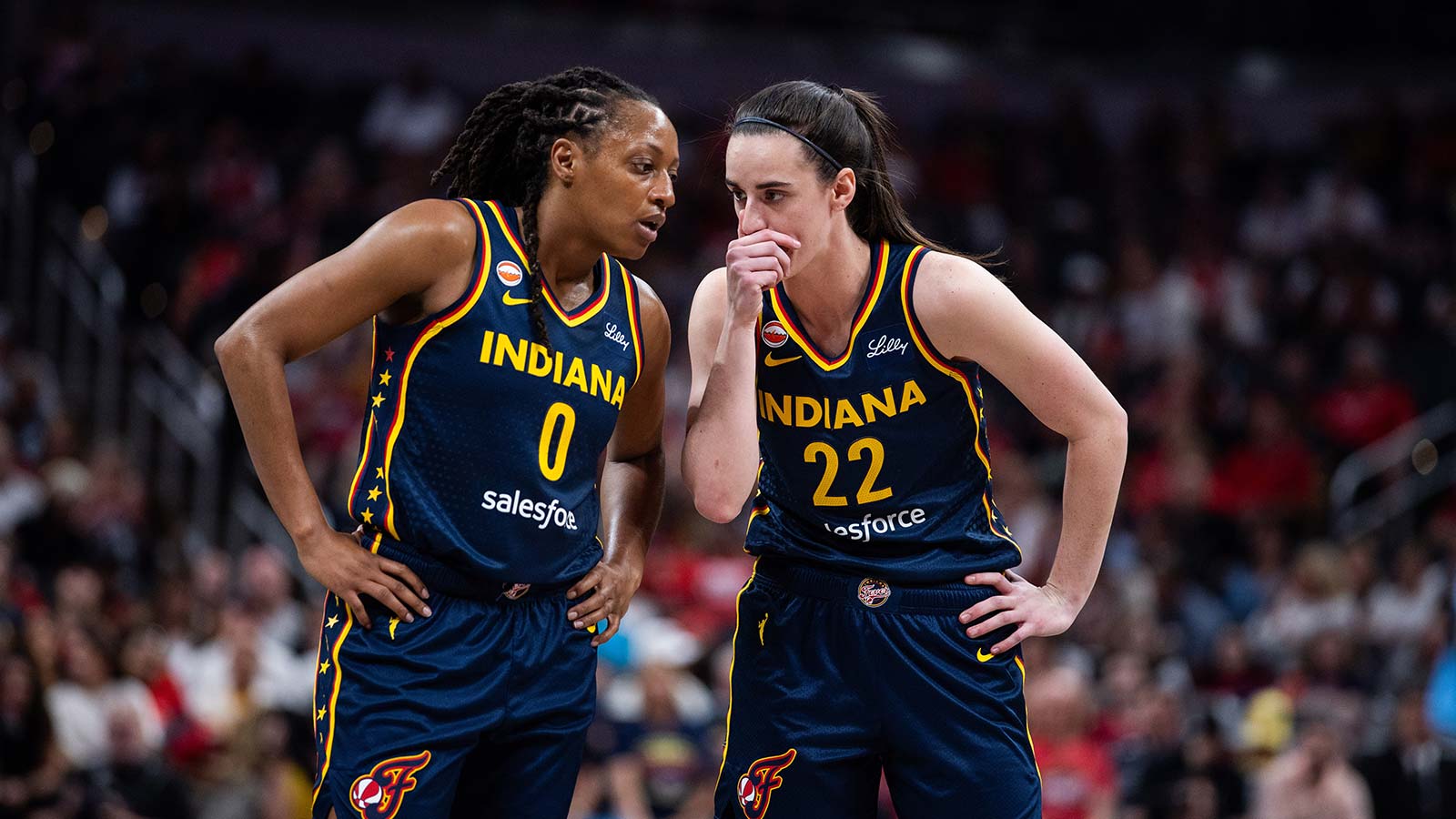
The Indiana Fever came agonizingly close to pulling off another stunning comeback against the Las Vegas Aces. Sadly, their 2026 WNBA playoff run ultimately ended on Thursday night. Facing the defending champions in a winner-take-all Game 3, Indiana showed enough fight to make Las Vegas sweat. Indiana twice cut the deficit to two points in the fourth quarter before the Aces finally slammed the door. A'ja Wilson delivered another superstar performance with 36 points and 10 rebounds. Chelsea Gray added 23 points, and Jackie Young scored 18 as Las Vegas escaped with a 94-83 victory to eliminate Indiana for the second straight postseason. For the Fever, the painful reality is that the opportunity was there. Against a championship-tested opponent, though, too many possessions went wrong late in the game.
Game 3 slips away

Indiana came out of the gates swinging. They were buoyed by a blistering first-quarter scoring surge from Caitlin Clark that briefly put the defending champions on their heels. However, Las Vegas answered with championship poise. They leaned heavily on an unstoppable 36-point masterclass from Wilson and 23 points from Gray to seize control of the contest. Though Kelsey Mitchell chipped in 23 points and Aliyah Boston battled inside for a gritty double-double of 19 points and 10 rebounds, the Fever's offense went cold down the stretch. Despite cutting the deficit to single digits in the fourth quarter, Indiana simply lacked the scoring depth and defensive stops required to complete the comeback.
Caitlin Clark
When a team builds its identity around a generational floor general, her performance in an elimination game inevitably carries enormous weight. That makes Caitlin Clark's offensive drop-off one of the biggest reasons Indiana could not finish the job.
Clark actually started brilliantly. She scored 11 points in the first quarter and immediately put pressure on a Las Vegas defense that had dominated the Fever in Game 1. Once the Aces adjusted, though, the superstar guard struggled to maintain that attacking rhythm. She scored only seven points over the remainder of the contest. Clark finished with 18 points while shooting 6-for-18 from the field and 3-for-12 from three-point range.
Las Vegas repeatedly made Clark work for every clean look. After she had shredded the Aces with 27 points and 15 assists in Game 2, the defending champions were determined not to let her dictate the game in the same manner. As such, the Fever's offensive engine lost efficiency.
Clark also committed six turnovers. That further complicated Indiana's attempts to sustain momentum. For the Fever, those empty possessions proved costly. Clark's defensive effort was notable, but Indiana ultimately needed far more offensive production from her.
Stagnant supporting cast
Indiana received solid contributions from Mitchell and Boston. However, the rest of the rotation could not consistently punish Las Vegas. When Clark's efficiency declined, the Fever needed someone else to completely seize the game. That player never emerged.
Las Vegas could devote greater attention to Indiana's primary creators without fearing enough punishment from elsewhere. Open opportunities became more valuable as the game tightened. Indiana could not consistently convert them.
This was particularly damaging because the Fever had already demonstrated in Game 2 that balanced scoring could overwhelm the Aces. Clark, Mitchell and Boston combined for 75 points in Indiana's 99-89 victory. Clark also produced a historic 15-assist performance. Game 3 demanded a similar collective effort. Instead, Indiana's offensive burden became concentrated once Clark cooled off.
Article Continues BelowDefensive breakdowns

Postseason survival against a powerhouse like Las Vegas requires defensive discipline. Indiana repeatedly allowed the Aces to find their rhythm when the game reached its most important stretches.
Wilson was simply too difficult to contain. After being held to 22 points in Game 2, Wilson responded with 36 points on 11-of-18 shooting while grabbing 10 rebounds. Indiana's frontcourt had no consistent answer. Every successful Las Vegas possession increased the pressure on the Fever's offense to match her.
Gray compounded the problem with 23 points. She repeatedly punished Indiana whenever the Fever needed a defensive stop. The Aces did not need to overwhelm Indiana with one gigantic run. They simply kept finding reliable answers whenever the Fever threatened to regain control.
Indiana actually showed impressive defensive resistance in stretches, particularly when it cut the deficit to two points in the fourth quarter. Howveer, that is also what makes the loss so frustrating. The Fever got close enough to steal the game and then failed to produce the stops that could have completed the comeback.
Painful playoff lesson
Indiana's Game 3 loss should not erase the progress made throughout the season. After all, they still pushed the defending champions to a decisive game. Indiana also produced the first playoff victory of Clark's career in Game 2. Still, the series also exposed the gap between being a dangerous postseason team and a true defending champion.
Clark needs to become more resilient when defenses take away her first options. The supporting cast needs to provide greater scoring depth when she is trapped or struggling. And Indiana's defense must find a more reliable formula for containing elite stars such as Wilson. The Fever had their chances in Game 3. They simply could not capitalize on enough of them.