
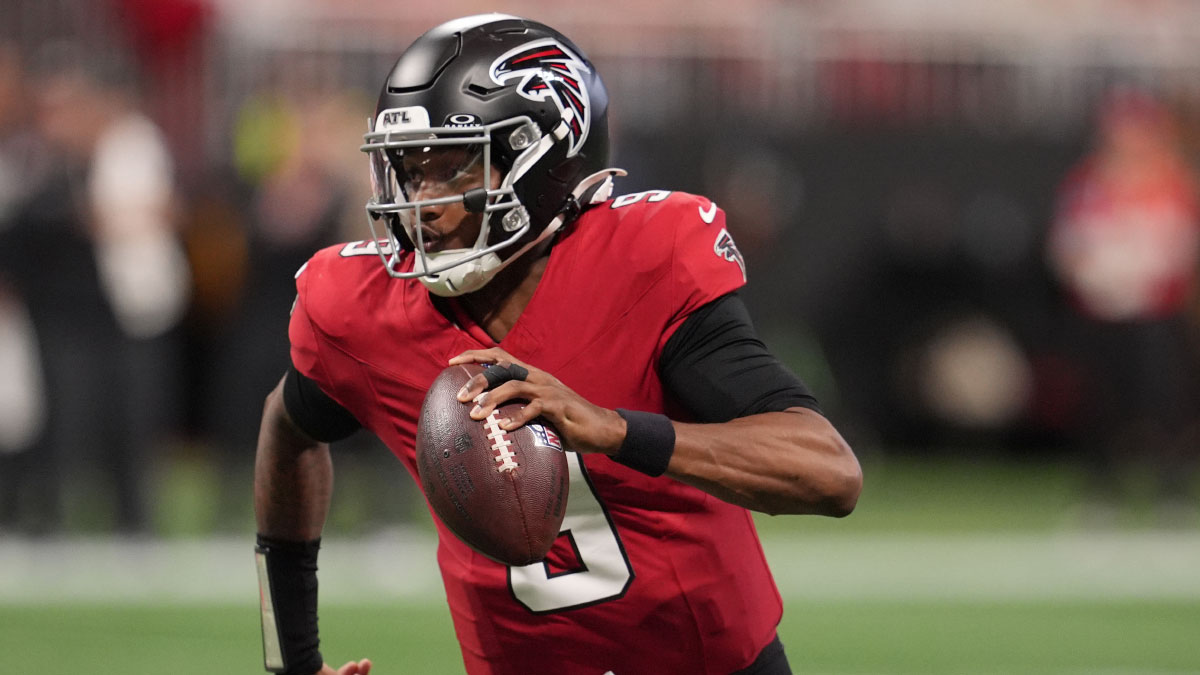
The Atlanta Falcons’ biggest mistake at the 2026 NFL trade deadline was not accepting that their roster needed changes. It was weakening the offensive infrastructure around Michael Penix Jr. without receiving enough future value to justify the disruption.
Atlanta sent starting center Ryan Neuzil to the Baltimore Ravens for guard Andrew Vorhees and a 2028 sixth-round pick. The deal gave Baltimore an experienced interior lineman while leaving the Falcons to replace a starter at a position directly connected to their quarterback’s performance.
For a team still evaluating Penix, that trade created an unnecessary complication. Atlanta could reasonably prioritize the future over a postseason push. But protecting its quarterback’s development should have remained part of that future, not something sacrificed for a modest return.
Trading Ryan Neuzil undermined the Falcons’ evaluation of Michael Penix Jr.
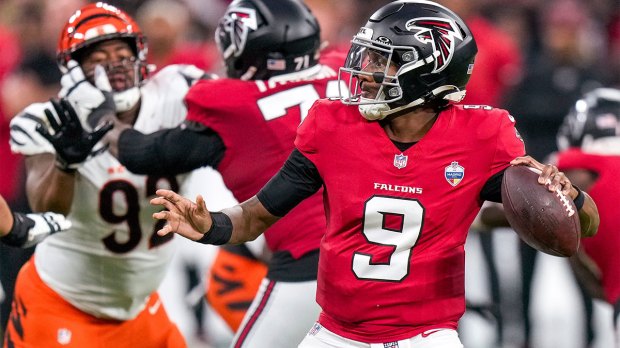
The strongest argument against this deal starts with what Atlanta still needs to learn about Penix. Assessing a quarterback requires more than examining completion percentages and touchdown totals. The surrounding protection must provide enough stability to separate his mistakes from breakdowns elsewhere.
USA Today’s deadline analysis identified that concern, questioning the decision to disrupt Atlanta’s protection while the organization needed a clear assessment of Penix down the stretch. It specifically noted his difficulties when forced away from his spot.
Trading Neuzil made that evaluation harder. He had accumulated 38 career starts at center and started every game over the previous two seasons. Following the trade, Corey Levin was Atlanta’s remaining center on the active roster, with seven career starts despite extensive experience appearing in NFL games.
That does not guarantee Levin will struggle. It does mean the Falcons exchanged an established arrangement for uncertainty during an important stretch of their quarterback’s development.
The concern extends beyond individual blocking assignments. A midseason center change creates another variable in the relationship between quarterback and offensive line. If Penix struggles, Atlanta must determine whether the problem lies with his decisions, the protection or the adjustment between them.
A rebuilding team can tolerate losses. It should be more reluctant to introduce avoidable uncertainty into its most important personnel evaluation. The Falcons did not need to chase a playoff berth at any cost, but they still needed an environment that made the remaining games informative.
The return did not justify creating another offensive question
There is a reasonable defense of Atlanta’s approach, Neuzil was approaching free agency, and moving him ensured the Falcons received something rather than risking his departure without compensation. Vorhees also provided an opportunity to evaluate another offensive lineman.
The problem is that this was not a clean exchange of present value for long-term security. Vorhees was also scheduled to become a free agent in 2027, limiting the argument that Atlanta acquired a lasting building block.
Meanwhile, a sixth-round selection in 2028 is a developmental asset, not a premium resource. Its eventual value remains uncertain, while the departure of Atlanta’s starting center immediately changed the offense.
Compare that return with the Falcons’ other major deadline decision. Trading Jessie Bates III brought back a 2027 second-round pick and a 2028 fifth-rounder—a substantially stronger package for an organization looking ahead.
That is the central mistake, Atlanta accepted immediate disruption without securing meaningful certainty in return. Unless Levin establishes himself and Vorhees becomes a useful contributor, the Falcons risk having complicated Penix’s development for little more than a distant lottery ticket.