
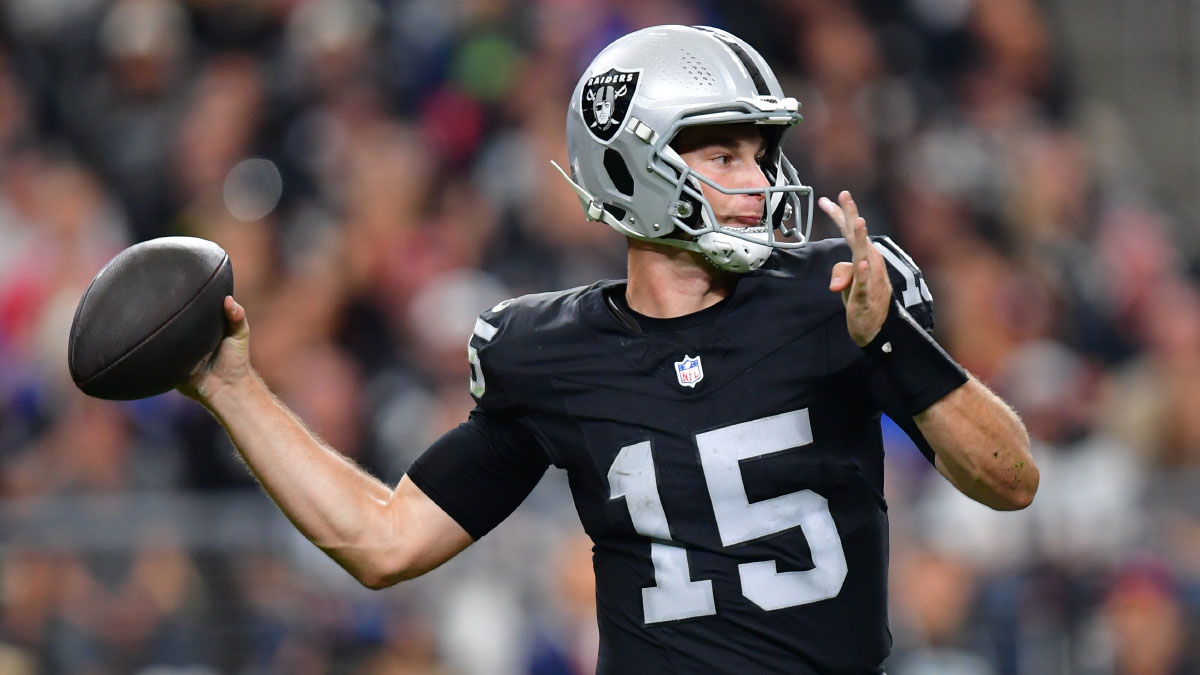
Fernando Mendoza gave the Las Vegas Raiders an encouraging opening act. The rest of his first NFL start exposed how much work remains around him.
Despite scoring 10 points on their first two possessions, the Raiders lost 21-13 to the Seattle Seahawks on Sunday at Allegiant Stadium. Mendoza finished 17-of-29 for 143 passing yards, adding a rushing touchdown while absorbing six sacks. Las Vegas produced just 27 total yards after halftime and failed on all seven second-half third-down attempts.
The rookie deserves scrutiny, but making him the primary scapegoat misses the bigger picture. Head coach Klint Kubiak carries the largest share of responsibility for an offense that never found a counterpunch. Behind him, the Raiders’ ineffective rushing attack and second-half pass defense helped turn a promising debut into another frustrating defeat.
Klint Kubiak and the offensive supporting cast failed to adjust
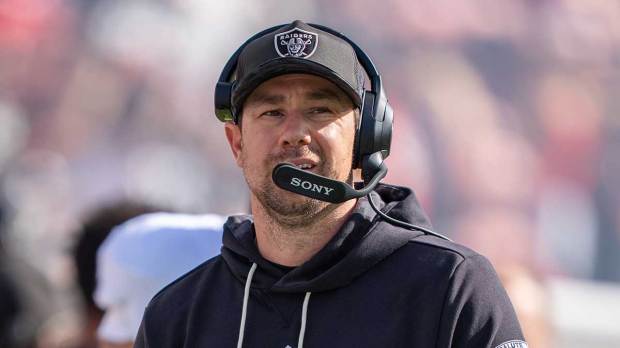
Kubiak’s opening plan worked. Mendoza looked comfortable early, and his 10-yard touchdown run gave Las Vegas an immediate reward for trusting its rookie quarterback. But once Seattle adjusted, the Raiders had no sustainable response. They punted on seven consecutive possessions, including five straight three-and-outs to begin the second half.
That is where the coaching criticism starts. A quarterback making his first start should not have to repeatedly solve Mike Macdonald’s pressure packages from unfavorable situations. Las Vegas needed more effective answers, whether through quicker throws, improved protection communication or early-down production that reduced the burden on third down.
Instead, the offense became increasingly difficult to operate. Losing Brock Bowers to an ankle injury removed an essential receiving option, but it also heightened the need for adjustments. Mendoza went 6-of-16 for 53 yards after halftime, with 38 coming on one completion to Ashton Jeanty.
Kubiak acknowledged the problem afterward, calling the second-half third-down performance “unacceptable” and saying he needed to help Mendoza more. That assessment fits the evidence: the Raiders’ initial success demonstrated a workable starting point, but their inability to adapt ultimately defined the afternoon.
The running game offered little relief. Las Vegas managed 65 yards on 24 carries, with Mendoza supplying 22 yards himself. That lack of production repeatedly created favorable pass-rushing situations for Seattle. Blame belongs to the collective rushing operation rather than one blocker or ball carrier.
The six sacks also require nuance. Mendoza accepted responsibility for protection mistakes and missed answers against defensive-back blitzes. His accountability matters, but it does not erase the staff’s responsibility to prepare and support him.
The pass defense cracked, while Mendoza contributed rookie mistakes
Las Vegas’ defense did enough early to make this game winnable. An opening-possession takeaway helped set up Mendoza’s touchdown, and the Raiders reached halftime ahead 10-7.
The second half brought a costly reversal. Jaxon Smith-Njigba collected six catches for 144 yards and a touchdown in the third quarter alone. His 71-yard scoring reception was the explosive play Las Vegas could least afford while its own offense struggled to generate first downs.
Allowing Drew Lock to finish with 240 passing yards and two touchdowns deserves criticism, even accounting for the pressure created by repeated offensive failures. Seattle’s backup quarterback delivered the decisive plays; the Raiders’ coverage did not prevent them.
Mendoza still owns part of the loss. He struggled to recognize pressure and admitted Macdonald fooled him. But the blame order starts with Kubiak’s stalled offense, followed by the ineffective rushing support and coverage breakdowns—not simply the rookie learning under fire.