
Andrew Miller
Published: Oct 6, 2026, 8:49 AM (14 mins ago)
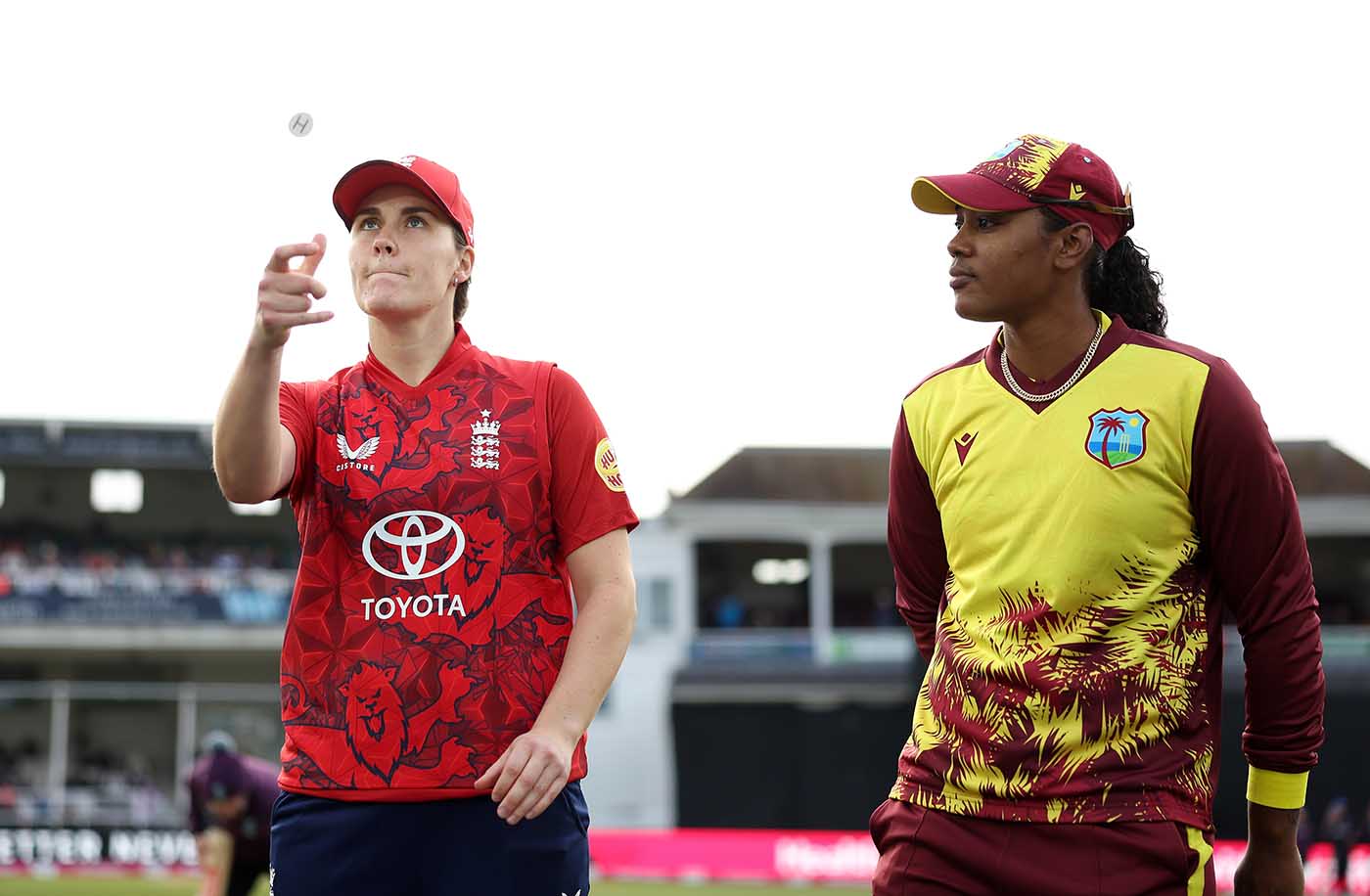
The ECB could be prepared to step in and fund next year's scheduled Women's Test in the Caribbean to safeguard their Ashes preparations, in the wake of recent cost-cutting measures from Cricket West Indies.
Richard Thompson, the ECB chair, told reporters at Lord's that the board was willing to "look at" the funding implications for their multi-format series in April and May, which also features three T20Is and three ODIs, and will form a key part of England's preparations as they seek to win the Women's Ashes for the first time since 2013-14.
Last week, CWI announced a raft of measures, including a 25% cut in retainer fees and the suspension of the men's Super50 tournament and the women's T20 Blaze. Chris Dehring, West Indies' chief executive, acknowledged the measures, while "not ideal", were "a necessary step towards financial stability", adding that the demands of intra-island travel alone had cost the board over US$80 million over the past 15 years.
Related
Test match dropped from Australia tour of West Indies
Capsey picks up the gauntlet as she targets allrounder status
Capsey a keeper as Edwards reflects on summer's lessons
West Indies players set for 25% pay cut as CWI announces financial restructuring
CWI CEO: 'Don't want players to feel there is the proverbial gun to their head to sign contracts'
Although there are no current discussions between the ECB and CWI about the status of the Test, a precedent was set in March this year when Australia's planned women's Test against West Indies was scrapped, even though the white-ball series carried on.
Speaking at the launch of a new ECB initiative to take cricket to more than 1,700 state secondary schools and more than 3,500 teachers, Thompson stressed the importance of the tour to England's hopes of challenging Australia in this summer's Ashes, especially in the curtain-raising Test at Headingley in June.
Citing last year's one-off men's Test against Zimbabwe at Trent Bridge, for which the ECB paid the visitors a tour fee, Thompson indicated that a similar arrangement could again be on the cards.
"We will definitely look at it," Thompson said. "Look what we did with Zimbabwe two years ago. Look, it will be awful for the West Indies. We want that Test match to play out. It's very important for us because our first women's match in the Ashes is the Headingley Test match. So we need a good red-ball warm-up. We've got to be playing somewhere, and I think we'd much prefer to be playing in the West Indies."
According to Dehring, some of CWI's current financial pressures stem from the terms of a US$16 million loan that the board took out from the ICC in July. The money will be made available to the board in three tranches, starting from this month, but according to the CEO, the repayment terms will require the board to attain "critical metrics".
"We might have that conversation as and when," Thompson added. "We all have a huge sympathy with the West Indies. We really want to see a successful West Indian nation. They have very unique challenges, and I hope through ICC and others we can find a way through."
The challenges faced by West Indies echo the concerns that were felt across the men's game during England's home summer in 2026, in particular during Pakistan's 3-0 defeat in the Test series in August and September, when the gulf in quality between the two teams appeared to reflect the increasingly unequal status of the two cricket boards.
Thompson, however, played down concerns about the summer's overall appeal - including the first season of the Hundred since the completion of last year's equity sale - and instead focused on the success of the recreational game in England and Wales, which he declared had "blown the doors off".
More than 260,000 fixtures were completed across the country in the driest summer since records began, including the inaugural season of the Knight-Stokes Cup, the new national competition for state secondary schools which attracted 1,084 total entries from 750 schools, and culminated in last month's Finals Day at Lord's.
"It's the biggest recreational summer we've ever had," Thompson said. "I know the sun shone, but at the end of the day, you've still got to have the ability to fulfill those fixtures. I think there's, at the end, far more positive that has come out of this year than negative."
The positive, he added, included the implications of the £520 million cash injection from the ECB's sale of stakes in the eight Hundred franchises. These include the board's newly unveiled schemes, "Cricket for Teachers" and "Secondary Countdown Cricket", both of which he said owed their existence to the monies raised.
"These probably wouldn't have happened without the Hundred. It's an opportunity to reboot the game in a way that we never thought was imaginable."
Andrew Miller is UK editor of Cricinfo. @miller_cricket