
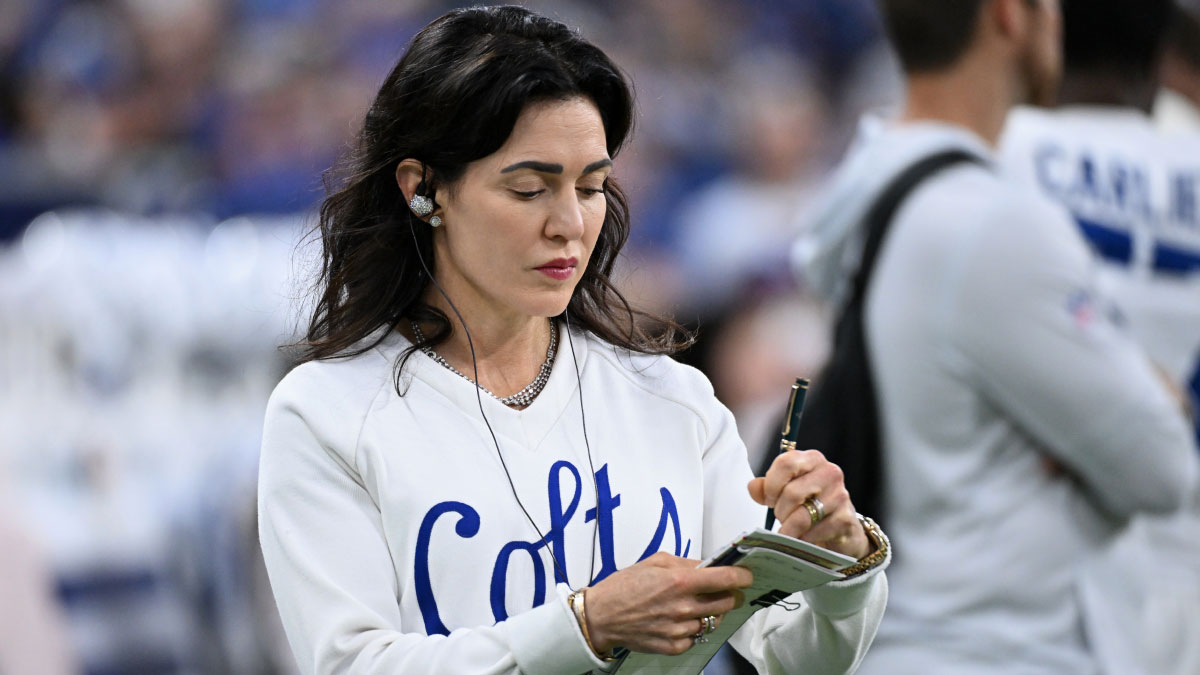
The Indianapolis Colts approached the trade deadline like a team ready to start over. They moved Quenton Nelson, DeForest Buckner, Keenan Allen and Josh Downs, collecting draft picks while dismantling a roster that has stumbled to 2-7. Yet quarterback Daniel Jones and running back Jonathan Taylor remained when Tuesday's deadline passed.
That leaves interim general manager Ed Dodds and owner Carlie Irsay-Gordon with an uncomfortable middle ground. Indianapolis surrendered established starters without securing a premium return, then declined opportunities to move its most valuable remaining offensive player. The individual transactions have defensible elements, but the overall direction remains difficult to explain.
Colts Trade Grade: C
A C reflects useful work undone by questionable asset management. Indianapolis deserved credit for recognizing its season required a reset. However, recognizing the problem and executing a convincing solution are different things.
The Downs trade was the clearest success. Kansas City sent 2027 fourth- and fifth-round selections for Downs and a 2027 seventh-rounder. Downs had requested a trade and was approaching free agency, making that return reasonable for a receiver whose production had stalled.
Allen was another sensible departure. San Francisco surrendered a 2027 sixth-round pick for a veteran playing on a one-year contract. Indianapolis converted a short-term investment into something useful instead of holding him through a lost season. Allen nevertheless led the team with 40 catches, so his departure carries an immediate offensive cost.
The earlier deals were harder to celebrate. Seattle acquired Nelson for a 2027 third-round pick and a 2028 fifth-rounder, while San Francisco brought Buckner back for a 2027 fourth-round selection.
Those returns added volume, but neither delivered the early-round capital that can meaningfully accelerate a rebuild. Moving established All-Pro talent always looks painful; doing so without landing at least a second-round pick makes the transformation harder to sell.
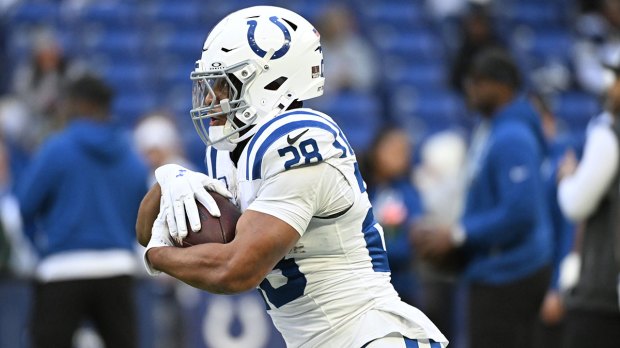
That is why keeping Taylor stands out. Indianapolis reportedly sought a first-round selection or equivalent compensation and rejected multiple offers involving second-round picks and additional assets. The Giants withdrew their second round pick and a player proposal before the deadline.
Taylor is an excellent player, and selling him cheaply would have been irresponsible. However, a second-round package is not automatically a lowball offer for a running back who turns 28 in January. Indianapolis needed to judge the actual market rather than insist on a return buyers would not provide.
His contract offers a legitimate counterargument. Taylor is signed through 2028 after receiving a two-year, $44 million extension in August, meaning Indianapolis can revisit its options later. Still, waiting introduces injury risk and gives a rebuilding team fewer premium picks now.
Keeping Jones is more understandable. His contract runs through 2027, and the value of any offers Indianapolis received remains unclear. The Colts consistently told interested teams they did not intend to trade him. Without knowing the compensation, calling his retention an obvious failure would be unfair.
The concern is what surrounds him. After trading both receivers, Indianapolis was left with Laquon Treadwell as its leading remaining receiver, with 16 catches for 215 yards. Evaluating Jones becomes harder when his protection and targets are simultaneously weakened.
Ultimately, the Colts accumulated useful selections and avoided forcing every negotiation. That prevents a failing grade. But a teardown needs a coherent destination. Indianapolis traded foundational veterans, retained expensive offensive leaders and passed on its best opportunity to acquire higher-end capital. Until those pieces form a convincing plan, this deadline looks more like partial damage control than a successful rebuild. The next front office must turn that uncertainty into a consistent roster-building strategy.