

The Cleveland Browns entered Week 8 with an opportunity to seize control of the AFC North. Instead, they left Acrisure Stadium with a bruising 27-6 defeat, a 5-3 record, and plenty of questions. Pittsburgh exposed Cleveland's weaknesses in a major way. The Browns were careless with the football, undisciplined, and unable to stop a punishing ground attack. Four factors stand out after this damaging divisional defeat.
Got away quickly
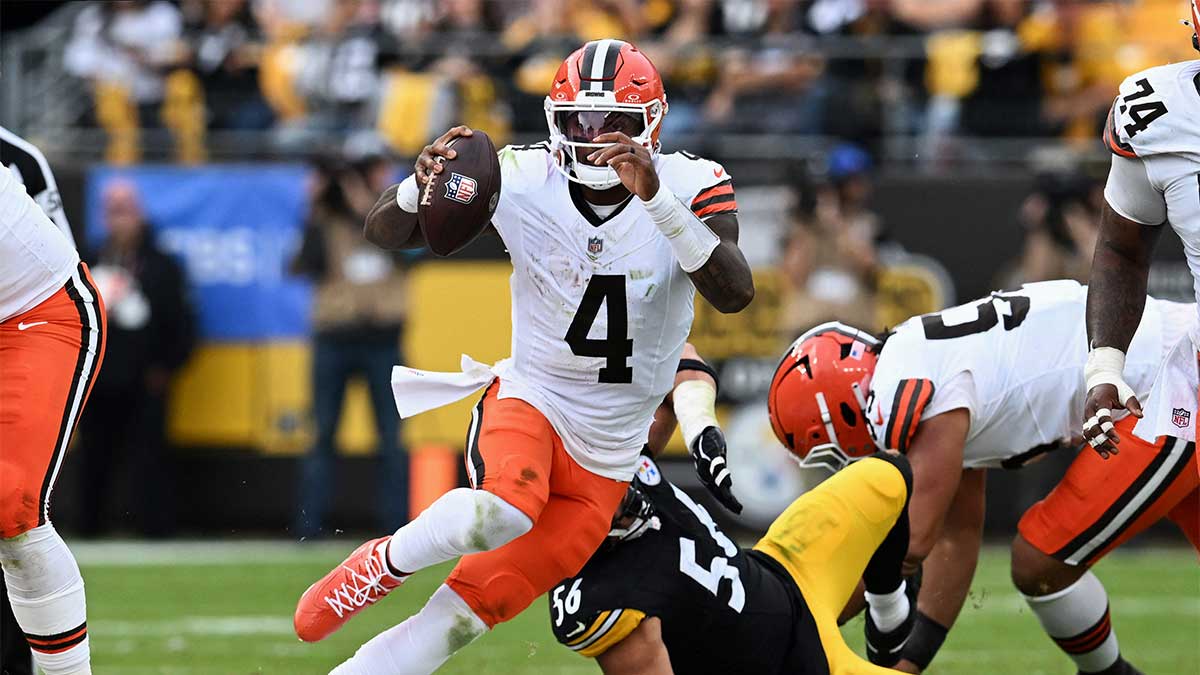
The Week 8 showdown was billed as a heavyweight brawl for AFC North supremacy. However, it quickly devolved into a one-sided nightmare for Todd Monken’s traveling squad. From the opening possession, Cleveland looked rattled by Pittsburgh’s ferocity. The Browns failed to score a single touchdown all afternoon. They relied on two Andre Szmyt field goals just to avoid a shutout. The Browns managed 319 total yards, highlighted by Harold Fannin Jr.’s gritty ten-catch, 154-yard effort.
Pittsburgh systematically broke Cleveland’s will. They held the Browns' ground game to just 34 yards while piling up 200 rushing yards and three touchdowns of their own. Jaylen Warren led the charge with 143 yards. Even Denzel Ward’s interception of Aaron Rodgers could not change the trajectory. Two lost fumbles, nine penalties for 85 yards, and an 0-for-3 red-zone performance sealed Cleveland’s fate.
Overhwlemed offensive line
The biggest culprit was Cleveland’s offensive line. They had no answer for Pittsburgh’s relentless defensive front. Watson was sacked eight times for a loss of 41 yards. Pittsburgh's pressure repeatedly destroyed the timing and rhythm of the offense. That left Watson with little opportunity to operate comfortably.
The defeat pushed Cleveland's season sack total to 35, the highest in the league at this stage. That points to a genuine structural weakness that threatens to undermine everything the Browns want to accomplish offensively. It also affected their anemic ground game.
Without dependable protection or a credible rushing threat, Cleveland became predictable. Pittsburgh could attack aggressively without worrying about being punished by the running game. No quarterback or play-caller can consistently overcome that kind of trench disadvantage.
Deshaun Watson
Watson deserves credit for continuing to compete under relentless pressure. His 324 passing yards suggest he produced some positive moments. However, the numbers do not tell the entire story. He finished without a touchdown, absorbed eight sacks, and struggled to get the football out quickly enough.
There were opportunities to take underneath completions, use checkdowns, or simply live for another down. Instead, Watson too often appeared to wait for bigger plays to develop.
The Browns needed him to make quicker decisions and avoid turning recoverable plays into drive-killing losses. His performance was not the only reason Cleveland lost, but the quarterback needed to do more to stabilize an offense that was struggling badly.
Todd Monken
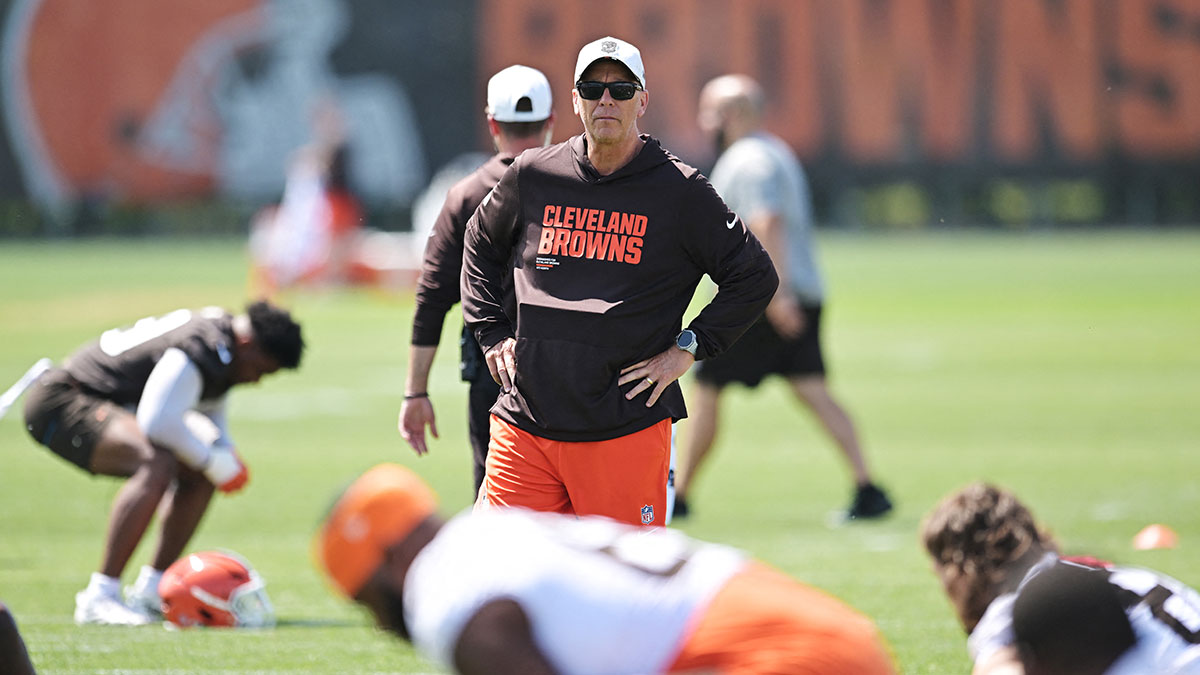
Monken must also answer for how slowly Cleveland adjusted to Pittsburgh's defensive approach. The Browns needed additional protection through chip blocks, quicker throws, screens, and designed quarterback movement. That didn't really happen.
Instead, Pittsburgh continued dictating the terms of engagement. Cleveland's discipline was another major concern. Nine penalties for 85 yards repeatedly put the offense behind schedule. The Browns also failed to convert any of their three red-zone opportunities into touchdowns. This was a coaching test Monken's team failed. His staff must develop more adaptable solutions rather than repeatedly asking a struggling offensive formula to produce different results.
Run defense
Article Continues BelowFinally, defensive coordinator Mike Rutenberg's unit deserves scrutiny for allowing Pittsburgh to control the game on the ground. The Steelers rushed for 200 yards at 6.1 yards per carry. Warren had a field day. Rico Dowdle also added 56 yards. Pittsburgh scored three rushing touchdowns.
Ward's interception could not compensate for the defense's inability to get off the field or force Pittsburgh into obvious passing situations. By establishing the run, the Steelers controlled the tempo. That prevented Aaron Rodgers from having to take unnecessary risks. Cleveland's pass rush consequently had fewer opportunities to make an impact.
Response needed
The loss does not erase Cleveland's encouraging 5-3 start. Rather, it makes the path back to the AFC North summit considerably harder. The offensive line must protect better, Watson must accelerate his decision-making, Monken needs more adaptable answers, and the defense must restore its run-stopping identity.
Pittsburgh showed what a complete divisional performance looks like. The Browns must now prove that their early success was more than a collection of late-game escapes. If these weaknesses persist, the Steelers will not be the last team to expose them.