
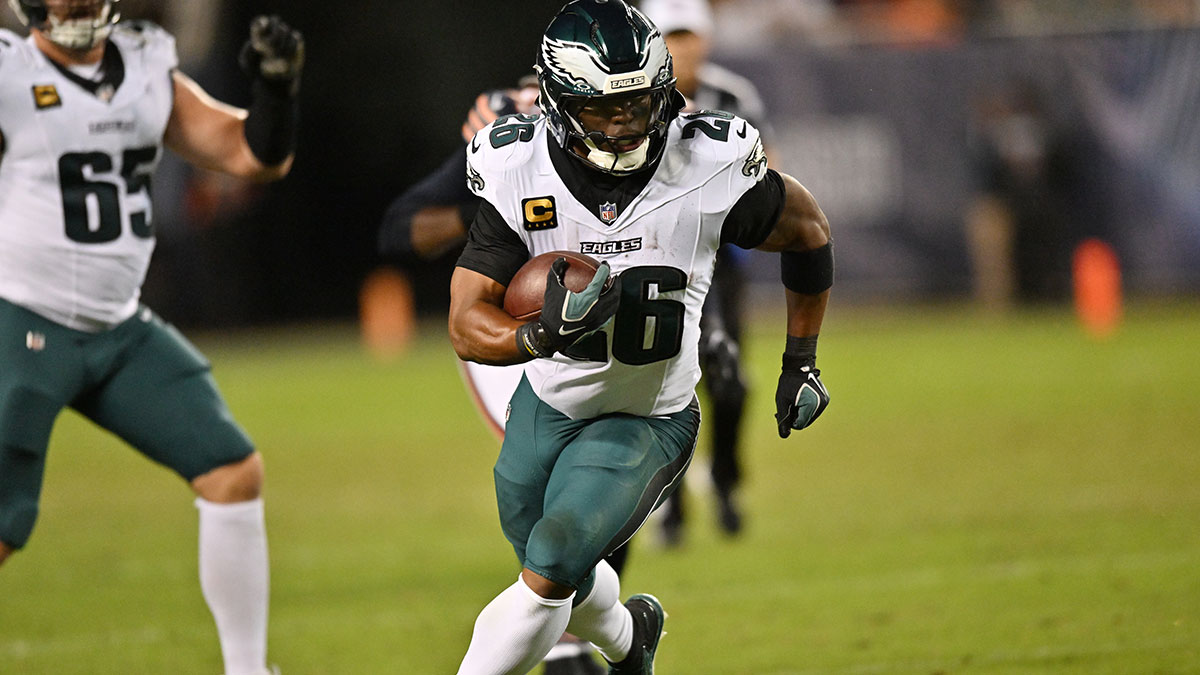
The Philadelphia Eagles may welcome Saquon Barkley back for Monday Night Football against the Dallas Cowboys. The veteran running back is trending toward a return after missing two games due to a hamstring injury. His comeback could provide much-needed relief for an offense that has struggled since Jalen Hurts was sidelined with blood clots, leaving the Eagles at 2-4 entering Week 7.
Barkley has also defended Hurts amid controversies surrounding the management of his medical situation, criticizing attempts to frame the quarterback’s relationship with the organization as adversarial. With Hurts expected to miss the remainder of the season, the Eagles now face challenging questions about their immediate future and the value of their most expensive veterans.
Meanwhile, the Denver Broncos improved to 5-2 with a 30-16 victory over the Arizona Cardinals on Sunday. Sean Payton's offense displayed encouraging signs, though inconsistency in the running game remains an ongoing issue. If the Eagles decide to entertain offers for Barkley, Denver could present an intriguing opportunity for both teams.
Broncos could offer J.K. Dobbins and two draft picks for Saquon Barkley
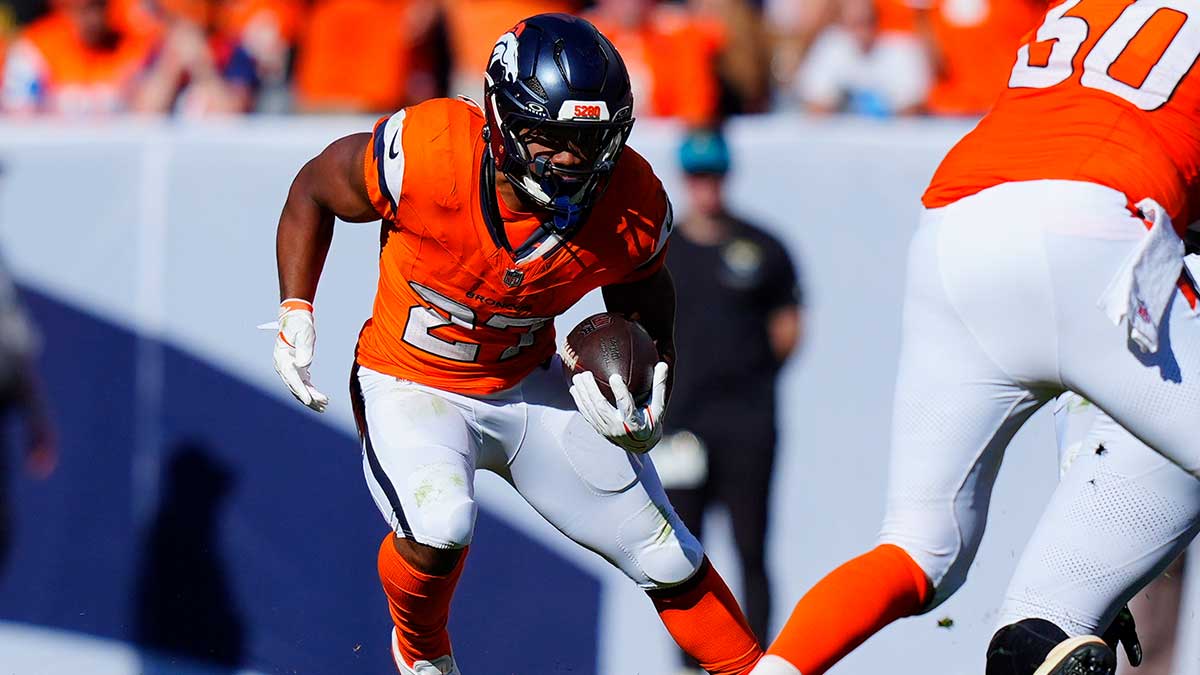
A proposed agreement would send Saquon Barkley to the Denver Broncos in exchange for JK Dobbins, a 2027 second-round pick, and a 2027 fifth-round pick.
This trade would provide the Philadelphia Eagles with an experienced running back to replace Barkley, while also adding two draft picks to aid in their roster construction. For Denver, acquiring Barkley would mean gaining a proven offensive centerpiece capable of transforming the dynamics of head coach Sean Payton's attack, but the financial implications of the deal would require careful planning.
Including Dobbins in the trade makes the proposal more manageable for the Eagles. He has been part of Denver's running back rotation, recording a touchdown against Arizona despite only receiving six carries for 23 yards. His experience would give Philadelphia a reliable player who can handle significant snaps while the team assesses its long-term strategy.
The draft picks are a crucial aspect of this proposal. The second-round selection would provide Eagles general manager Howie Roseman with another opportunity to acquire affordable, young talent, while the additional fifth-round pick offers flexibility for important roster decisions Philadelphia needs to make.
On the other hand, the Broncos would be sacrificing valuable resources for a running back nearing his 30s, making this a notably aggressive investment at a position where performance can decline swiftly. Denver already has RJ Harvey and rookie Jonah Coleman under contract, giving them younger options who could eventually take on more significant roles. Coleman's return from injured reserve against Arizona was particularly promising, as he rushed for 54 yards on nine carries, demonstrating the vision and burst that made him an appealing fourth-round selection. His performance complicates the rationale for pursuing Barkley, but Denver’s championship ambitions might lead Payton to favor a proven difference-maker over waiting for their younger backs to develop.
Barkley's contract would be the biggest obstacle for Denver
Philadelphia signed Barkley to a two-year, $41.2 million extension in March 2025, adding significant financial commitments that now extend through the 2028 season. The structure of the contract includes substantial guarantees, with the running back scheduled to receive approximately $16 million in cash during 2027 and another $19.2 million in 2028.
Denver will need to carefully evaluate these obligations, especially since several established players are already taking up important portions of its future salary cap. Additionally, the Eagles would face financial consequences if they decide to move Barkley, specifically accelerated accounting charges related to previously paid bonuses. The exact impact of a trade would depend on the timing of the transaction and the remaining guarantees, making a deal in October more complicated than a typical exchange of draft picks.
Philadelphia would have little reason to absorb these consequences without receiving meaningful compensation in return. General Manager Howie Roseman has historically valued flexibility when managing expensive contracts, and moving Barkley would mark a significant shift from the organization’s recent investment in its offensive identity.
For Denver, the key consideration will be whether the immediate improvement that Barkley could bring justifies both the draft capital and the long-term salary commitments. Barkley rushed for over 2,000 yards during his first season with the Eagles in 2024, showcasing his ability to enhance an already talented offense. Although his production has declined this season, the overall situation in Philadelphia has changed considerably, including injuries affecting the offensive personnel.
A fresh opportunity in Payton's system could provide Barkley with a more favorable environment, provided that Denver is comfortable with the associated financial risks.
Saquon Barkley could give Bo Nix the support he needs
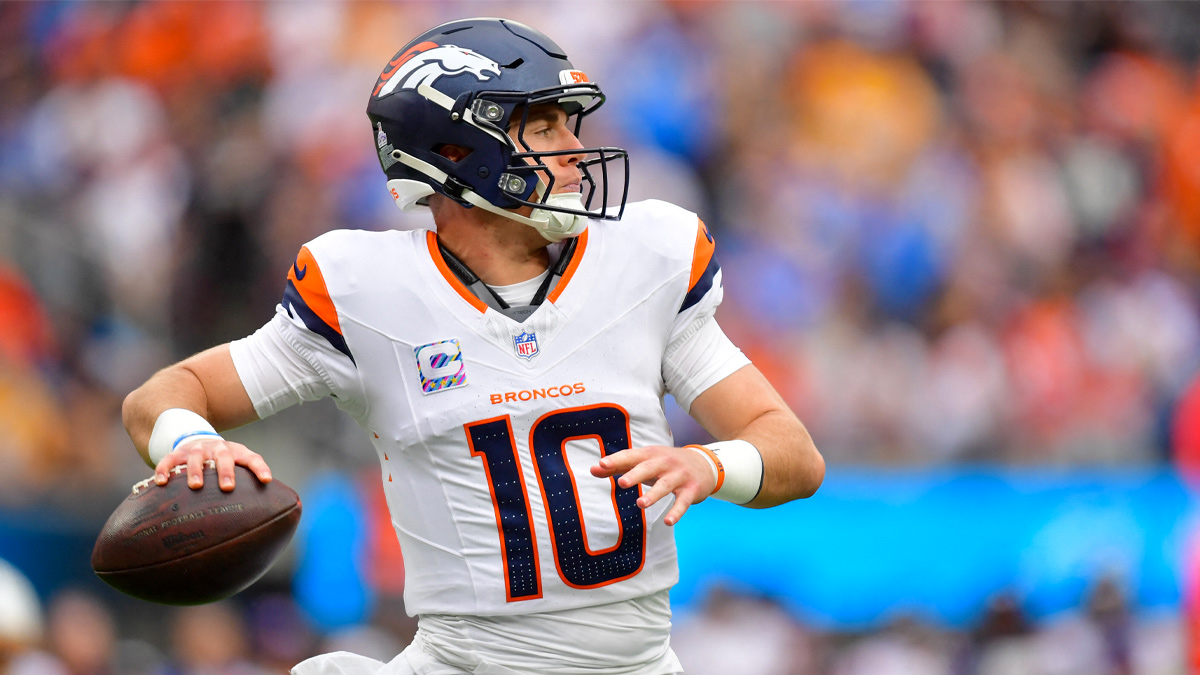
Denver's offensive performance against Arizona showcased the potential for a more balanced attack while underscoring the importance of individual playmaking. Bo Nix completed 15 of 29 passes for 222 yards and a touchdown, adding an impressive 62-yard rushing score. Harvey contributed with a 52-yard receiving touchdown, and Coleman showed promising production in his return.
These performances helped the Broncos secure their fifth victory, but relying on explosive individual plays has become a recurring theme for an offense still searching for greater consistency. The arrival of Barkley could alter how opposing defenses approach Denver. His ability to generate tough rushing yards would allow head coach Sean Payton to maintain favorable down-and-distance situations, thereby reducing the pressure on Nix to produce lengthy passing sequences.
Article Continues BelowWith that, Barkley's receiving experience would provide another outlet against aggressive defenses, especially when opponents try to disrupt the Broncos' passing game through pressure. Denver has already invested heavily in its offensive supporting cast, with players like Jaylen Waddle and Courtland Sutton at receiver, and retains an experienced offensive line featuring Garett Bolles and Quinn Meinerz.
Adding a productive runner like Barkley could create more favorable opportunities for the passing game, particularly when defenses are forced to pay extra attention to the backfield. However, Coleman’s emergence means that the coaching staff will need to determine how to allocate responsibilities, and acquiring Barkley would likely push Denver's younger backs into smaller roles, making the decision contingent on how strongly Payton believes that an established veteran could expedite the offense's development.
Would Philadelphia actually trade its offensive centerpiece?
The Eagles are facing uncertainty in the remaining season due to their disappointing record and Hurts' prolonged absence, but Barkley continues to be a crucial part of the team’s offensive identity. His potential return against Dallas could bring the stability Philadelphia desperately needs, especially with injuries affecting several other skill-position players.
Trading Barkley would leave the Eagles without their most reliable rushing threat during a season where the NFC East remains competitive enough to keep their playoff hopes alive. Therefore, Roseman would need a compelling reason to accept Denver's trade proposal, particularly since the financial implications could limit the immediate benefits of moving him.
The Broncos might consider increasing their offer if Philadelphia demands additional compensation, so giving up a first-round selection for an expensive veteran running back carries significant risk. Denver's strong 5-2 start provides the franchise with a legitimate chance for a deep playoff run, and their offensive improvement against Arizona suggests that acquiring another established playmaker could further enhance their chances.
The strongest argument for this trade lies in the contrasting competitive situations of the two franchises. Philadelphia must navigate the season without its franchise quarterback, while Denver has a healthy young starter and a roster capable of contending immediately, and making a deal would require the Eagles to accept a significant shift in direction, but Denver's combination of draft compensation and an experienced replacement could create a solid basis for serious discussions.