
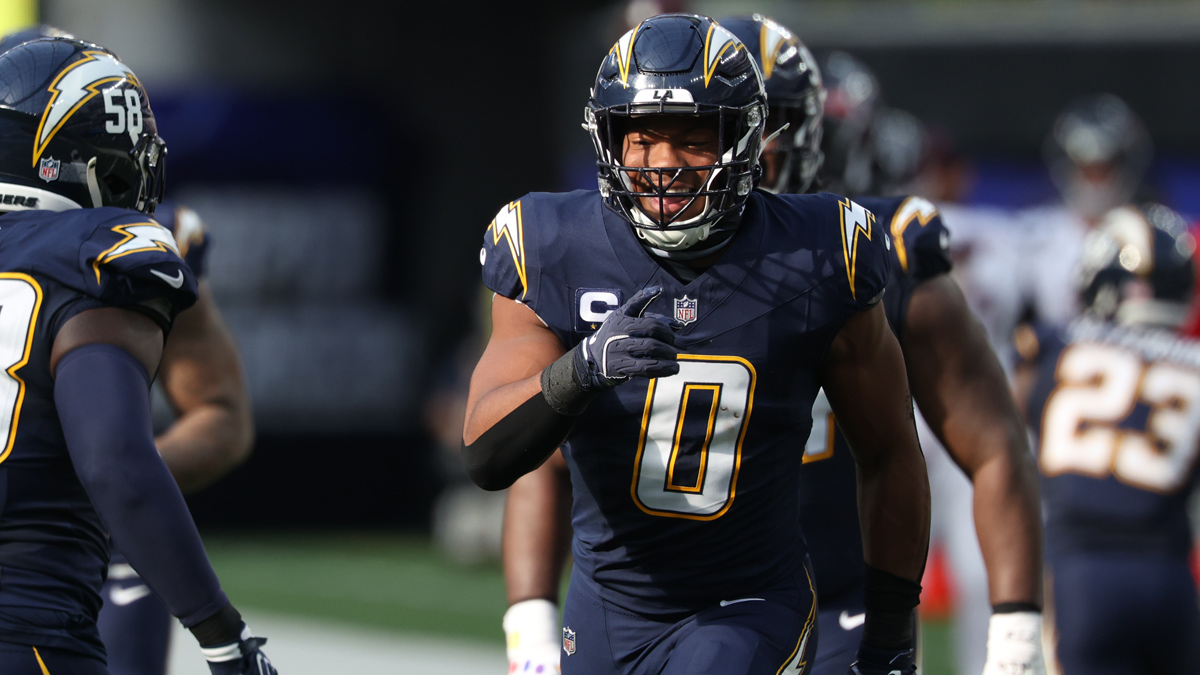
The Denver Broncos’ biggest mistake at the 2026 NFL trade deadline was not refusing to overlook a medical concern. It was finishing the process without an upgrade after identifying linebacker as a position worth addressing.
Denver agreed to acquire Daiyan Henley from the Los Angeles Chargers for a 2027 fourth-round pick and a 2028 fifth-round selection. However, concerns about Henley’s knee emerged during his physical, and attempts to renegotiate the compensation failed. The Broncos announced Wednesday night that the trade would not be finalized.
That distinction matters. General manager George Paton should not be criticized for respecting his medical staff’s assessment. The more legitimate concern is the outcome, a 7-2 team leading the AFC West emerged from the deadline without its intended reinforcement.
Denver preserved its draft capital, but it also preserved the roster question it had tried to answer.
Denver left its linebacker upgrade dependent on one deal
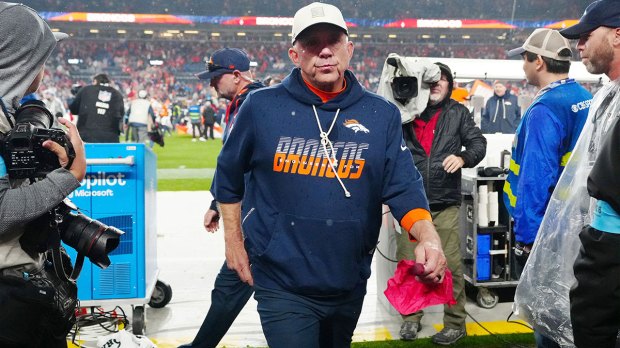
The attempted acquisition revealed that Denver saw value in strengthening its linebacker group. Henley led the Chargers with 51 tackles and had added an interception, a forced fumble, two passes defended and a half-sack through eight games. He represented an experienced addition for a contender preparing for meaningful late-season football.
Instead, the Broncos will continue with Alex Singleton and Justin Strnad leading the position. The failed transaction was Denver’s only deadline deal, leaving the team without a completed addition once the trading window closed.
That does not establish that Paton ignored alternatives or failed to make calls. Public reporting cannot reveal every discussion. It does, however, establish the consequence: whatever other possibilities Denver explored, none produced insurance against the Henley agreement collapsing.
For a contender, that is the central criticism. Deadline planning must account for more than agreeing on compensation. A deal contingent on a physical remains uncertain until the medical evaluation is complete.
Ideally, Denver would have resolved enough uncertainty earlier to preserve other options. That is easier to recommend than execute, especially when negotiations involve a division rival. Still, the Broncos’ final-hour agreement left little margin for complications, which ultimately surfaced after the deadline.
The mistake was not necessarily targeting Henley. It was accepting a deadline outcome in which one failed transaction meant no reinforcement at all.
Medical caution was justified, but the missed opportunity remains
The criticism should stop short of suggesting Denver needed to complete the original trade regardless of the physical. It was reported that the Broncos discovered a knee issue and remained interested only under revised terms. Their proposals included a fourth-round pick plus a seventh-rounder, or a fourth-rounder and a pick swap.
Those discussions indicate Denver recalculated Henley’s value after receiving additional medical information. That is different from deciding he offered no football value.
Jim Harbaugh criticized the process, arguing that Denver used a loophole to seek reduced compensation after the deadline. However, reporting also indicated the Broncos obtained league permission to revisit the terms. The controversy does not, by itself, demonstrate wrongdoing.
Nor does Henley’s return to full practice settle the disagreement. He carried no injury designation for the Chargers’ upcoming game, but immediate availability does not necessarily answer Denver’s reported concerns about long-term durability.
Ultimately, Paton protected future resources rather than forcing an acquisition his doctors questioned. That was defensible.
What remains harder to defend is the missed opportunity. Denver had positioned itself to contend, identified a useful addition and finished without him or another completed trade. The Broncos’ biggest deadline mistake was leaving a recognized need unresolved, not declining to gamble on a disputed medical evaluation.