
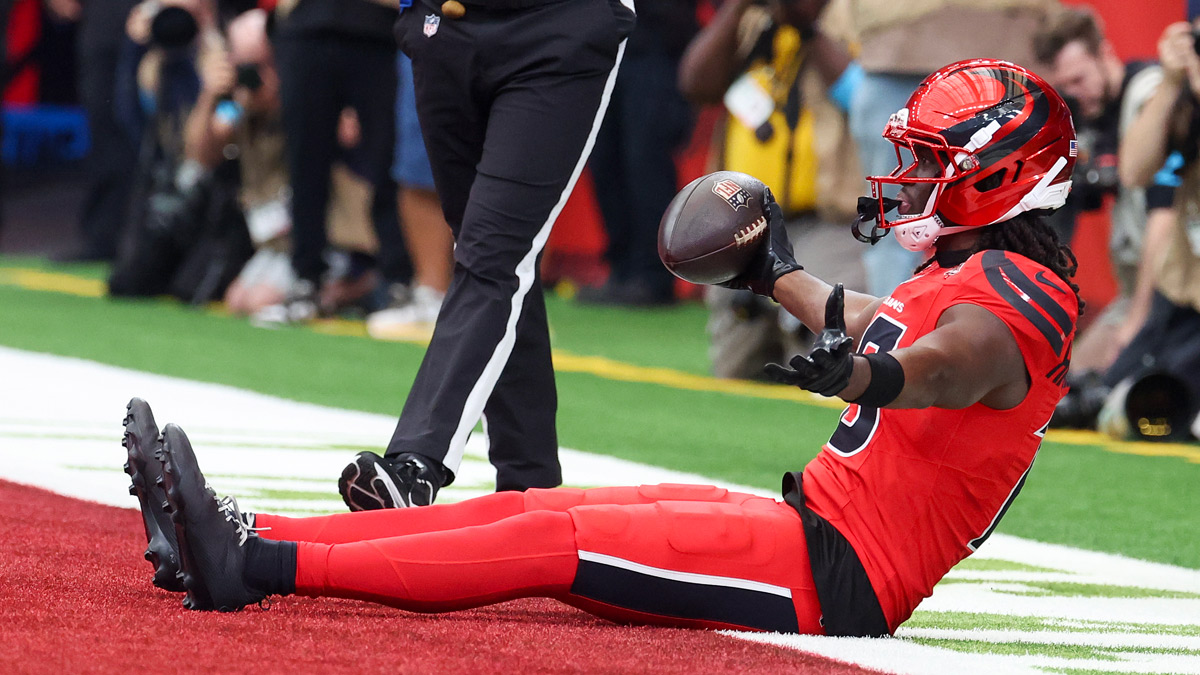
The Houston Texans’ biggest mistake at the 2026 NFL trade deadline was misallocating resources, spending a second-round and a seventh-round pick on Marvin Harrison Jr. while leaving more pressing offensive concerns unresolved.
Houston made no additional moves on deadline day after acquiring Harrison earlier in the season. That left general manager Nick Caserio betting on internal improvement rather than supplementing a roster that still needed help, particularly in the running game.
Harrison’s potential makes the investment understandable. But a familiar name and a promising connection with C.J. Stroud do not automatically make wide receiver the right place to spend premium draft capital.
The stronger approach would have prioritized offensive balance. Instead, Houston reached the deadline with another receiving option but without enough evidence that its most important weaknesses had been addressed.
Houston paid a premium at the wrong position
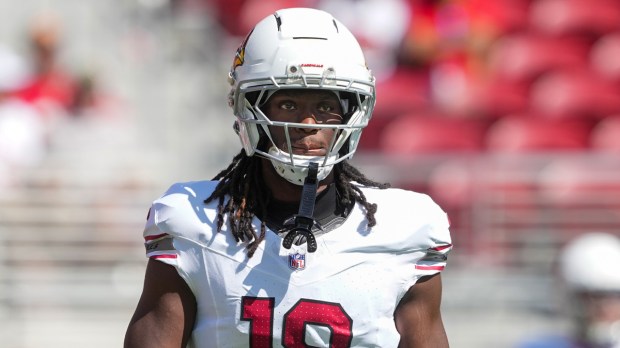
The problem with the Harrison trade was not simply acquiring a talented receiver. It was the price relative to Houston’s roster construction and his immediate role.
Harrison had not exceeded three catches in any of his first three Houston appearances. He also played fewer than half the offensive snaps coming out of the team’s Week 9 bye.
Those numbers do not establish that Harrison cannot become a valuable contributor. They do raise a reasonable question, why surrender a second-round selection for someone who was not immediately becoming a central part of the offense?
Both observations can be true. Harrison can improve after changing teams, and the Texans can still have overcommitted resources to a position that was not their clearest weakness.
Second-round picks provide meaningful flexibility. Spending one should either address a substantial need or deliver an unmistakable upgrade. Harrison’s early usage made that payoff difficult to identify.
That is the central criticism of Caserio’s strategy. Houston paid for upside without sufficiently improving the conditions that allow its offense to function consistently. Another receiver cannot, by himself, create reliable rushing lanes or eliminate unfavorable down-and-distance situations.
The Texans left their running game without enough insurance
The missed opportunity became clearer when examining Houston’s backfield and blocking.
Entering Week 10, the Texans ranked 29th in rushing and 30th in yards per attempt. Their offensive line also remained 31st in PFF’s rankings, with run blocking identified as a major problem despite significant offseason investment.
A running back alone would not have fixed those issues. That matters when judging the deadline: demanding a blockbuster addition would ignore both the blocking deficiencies and the uncertainty surrounding available players.
Still, Houston had reason to seek affordable insurance. David Montgomery had been dealing with a groin injury suffered against Tennessee on October 11 and remained unavailable against the Chargers. His absence increased the importance of having dependable support for Woody Marks.
Reporting before the deadline indicated Houston had explored available running backs and safeties. The need was not something invented after the trading window closed.
There is no public guarantee that an appropriate player was available at an acceptable price. Caserio should not have made a bad trade merely to appear active.
But that defense does not erase the broader imbalance. Houston committed a premium pick to Harrison, then finished the deadline without reinforcing a struggling rushing operation. Its biggest mistake was prioritizing receiving upside over the offensive stability Stroud needed.