
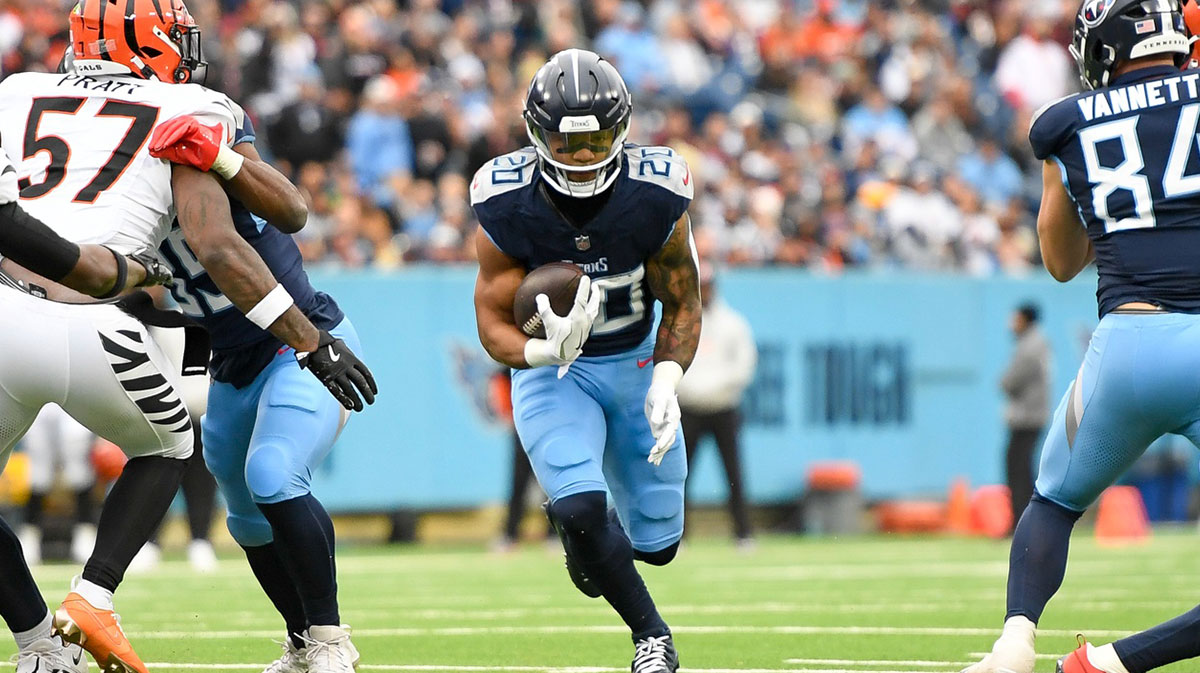
Mike Macdonald has no plans to replace Sam Darnold following Seattle's 17-14 overtime loss to the Denver Broncos, even after another challenging performance has reignited discussions about the quarterback position. Darnold threw two costly interceptions, including one in overtime that quickly gave Denver the chance to kick the winning field goal. However, Macdonald has emphasized that the Seahawks still view Darnold as their starter and believe the offense can improve around him.
This situation places additional pressure on John Schneider as the November 10 trade deadline approaches. Seattle has dropped to a 3-3 record after a strong start, and Thursday's loss highlighted several issues that go beyond the quarterback. The Broncos recorded five sacks and 17 quarterback hits, while the running game struggled to provide consistent support, putting Darnold in predictable passing situations against one of the league's toughest defensive fronts.
Seattle possesses enough defensive talent and receiving capabilities to remain competitive in the NFC playoff race, especially with Jaxon Smith-Njigba performing at an elite level. Upcoming roster moves should focus on making the offense more efficient, considering three potential targets that could help address the problems that have surfaced over the first six games.
Tony Pollard could restore balance to Seattle's backfield
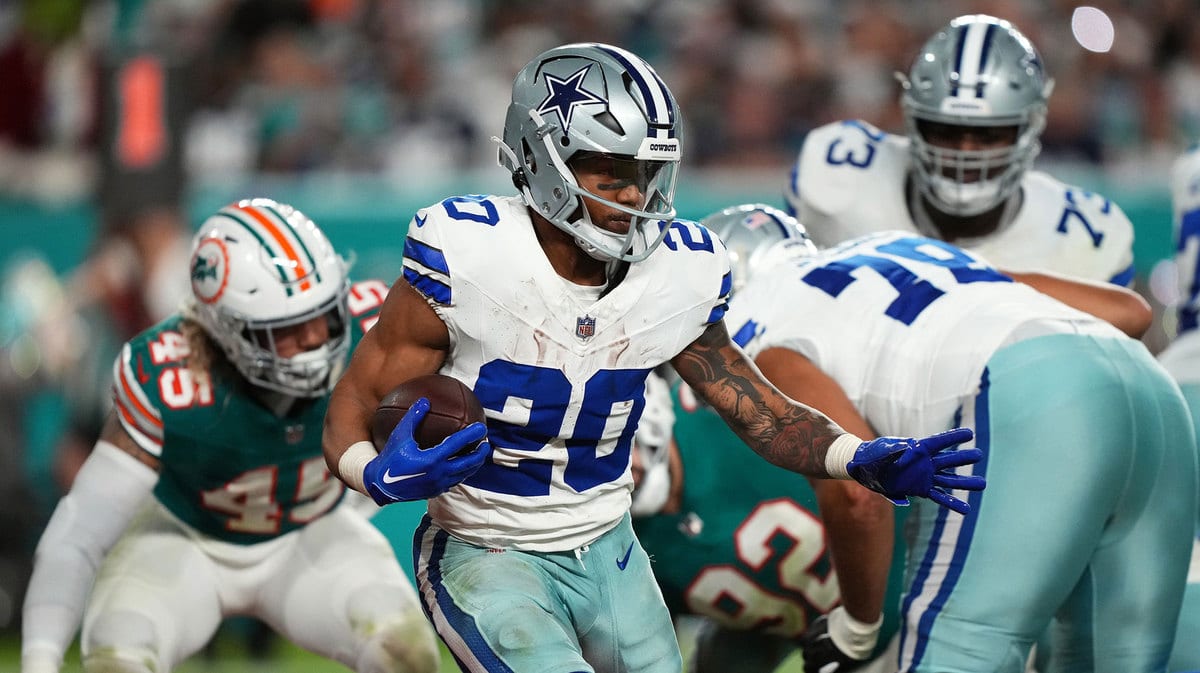
The Seahawks' struggle to replace Kenneth Walker III is becoming increasingly difficult to overlook. Walker left for Kansas City after contributing to Seattle's victory in Super Bowl LX with a strong and effective rushing attack. This allowed the offense to avoid relying solely on Darnold during critical situations. Last season, Seattle tied for the league lead in rushing attempts, but this season, the offense has strayed from that approach due to injuries and inconsistent production in the backfield.
Zach Charbonnet is still recovering from knee surgery, Jadarian Price has also faced injury issues, and Emanuel Wilson led Seattle with only 52 rushing yards against Denver. As a result, the offense often requires Darnold to execute traditional dropbacks without the consistent play-action threat that worked so well last year.
Tony Pollard would immediately provide Seattle with an established runner capable of handling a significant workload, and with Tennessee starting the season at 0-5 and Pollard in the final year of his contract, he has become one of the more logical veterans available before the trade deadline. Despite the Titans' offensive struggles, Pollard has remained actively involved, recording 68 carries over his last four games and offering enough receiving skills to contribute in passing situations.
Moreover, the financial and draft-pick commitment for Pollard should be much more manageable than pursuing an elite back under a long-term contract. Tennessee has little reason to retain an older player approaching free agency during a rebuilding season, creating an opportunity where a mid-round selection could start a serious negotiation. A more serious rushing threat would also improve the overall environment for Darnold. Seattle doesn't need to eliminate aggressive downfield concepts from the offense, but those plays become significantly easier to execute when linebackers and safeties must respect the potential for a productive run.
Wyatt Teller would reinforce the most vulnerable part of the offensive line
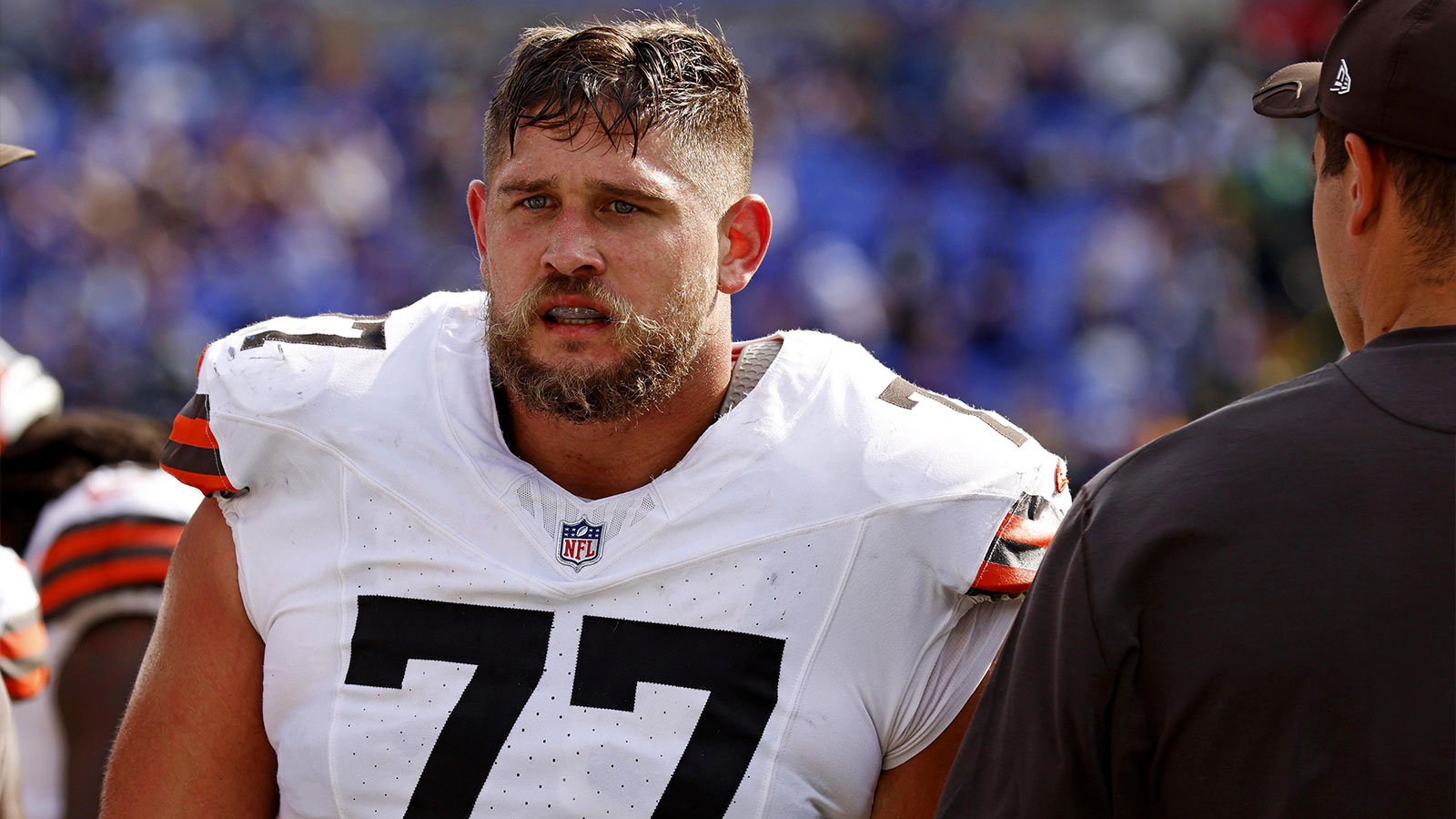
Denver's pressure highlighted Seattle's ongoing dependence on the stability of its offensive line. The Seahawks allowed five sacks for the second game in a row, with several promising drives ending prematurely due to pressure arriving before they could reach a manageable fourth down. Anthony Bradford's absence has forced Christian Haynes and rookie Beau Stephens into larger roles at right guard, and neither has provided the level of stability that Seattle enjoyed from that position during last year’s championship run.
Bradford is expected to have a chance to return from injured reserve soon, which lessens the need for an emergency replacement. However, adding a veteran like Wyatt Teller could elevate the performance of the entire interior line at a time when Seattle can’t afford any protection issues.
The Texans signed Teller during the offseason with the expectation that he would compete for a starting role, but he has spent most of the opening month outside the main lineup and has mostly appeared as an injury replacement. Given that Houston already has several options along the offensive line, his current situation makes a trade conversation plausible.
Teller brings years of starting experience and has built much of his career on physical run blocking, an attribute that aligns well with Seattle’s offensive identity, which they have been trying to reclaim. Grey Zabel has developed into one of the stronger young guards in the league on the left side, so reinforcing the opposite interior spot would give head coach Kubiak a more reliable foundation for inside runs and play-action plays.
Additionally, this move would provide protection against further injuries along the line. A six-game season has already shown how quickly depth can turn into a weekly concern, and Seattle’s upcoming schedule features defensive fronts capable of creating the same kind of pressure that Denver generated on Thursday night. Building greater stability around quarterback Darnold would give offensive coordinator Macdonald a much stronger basis for maintaining public confidence in him..
Blake Fisher could give Seattle younger tackle depth with room to grow
Seattle's tackle situation is stable with Charles Cross and Abraham Lucas as the starters. This stability means that the upcoming trade deadline is less about finding an emergency replacement and more about strengthening the depth behind them to prevent potential issues from injuries. Blake Fisher would be a good fit for this strategy, especially since the Texans have chosen to go with other players ahead of him, leaving the former second-round pick in a reserve role despite his starting experience and favorable contract.
Article Continues BelowFisher has played in all five games this season but has not made a start, as he is behind Aireontae Ersery and Trent Brown on the Texans' depth chart. At only 23 years old and still on his rookie deal, he presents Seattle with an opportunity to add a developing lineman rather than a veteran player whose value may diminish once the current starters are healthy.
Houston will need to consider whether trading a recent second-round pick is sensible, but Fisher's current reduced role makes this a logical conversation for both teams. Seattle would be betting on Fisher's age, contract value, and untapped potential, while the Texans could regain some draft capital from a player who isn’t currently in their starting lineup.
The Kenneth Walker III departure changed Seattle's offensive margin for error
Field Yates' criticism of Seattle's “chemically unbalanced” offense highlights the broader issues behind their recent struggles. The 2025 Seahawks could benefit from relying on their running game when pass protection becomes difficult or when Darnold needs to settle into a game.
Walker has shown the ability to gain 1,000 yards, providing explosive runs and enough consistency to prevent the offense from becoming predictable, but this year's combination of injuries and changing personnel has put significantly more pressure on the quarterback. Darnold must take responsibility for the seven interceptions he's thrown in six games, particularly after the two late mistakes in Denver. Improved protection would give Seattle more options when he begins to struggle, allowing the coaching staff to respond with running plays or adjustments to protection instead of continuing to call dropbacks behind an offensive line that is losing individual matchups.
Adding support around this framework could be more beneficial than searching for a dramatic replacement at any one position. The loss to the Broncos demonstrated how limited Seattle's offensive options become when protection breaks down, and the running game offers little assistance. General Manager Schneider has several weeks to ensure that these problems do not persist as the NFC playoff race begins to heat up.