

.jpeg)


4 moves Dolphins must make to clear salary cap space in 2026 NFL offseason after Tyreek Hill, Bradley Chubb cuts
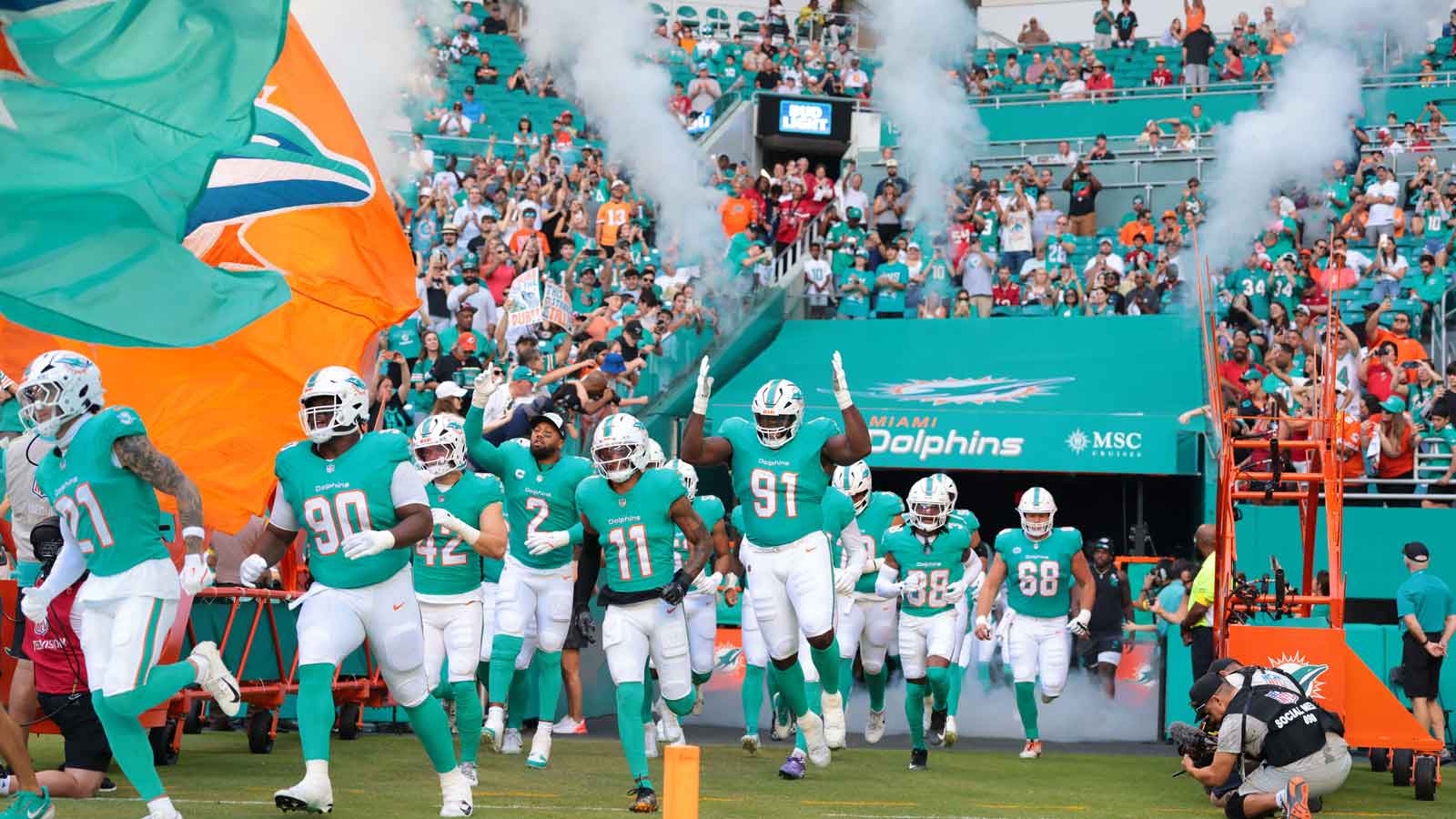
The Dolphins are in transition, and the question surrounding their quarterback is the next significant challenge. After firing head coach Mike McDaniel, Miami hired Jeff Hafley and subsequently released both Tyreek Hill and Bradley Chubb, signaling that this is no longer a “run it back” offseason.
Naturally, attention turns to Tua Tagovailoa. Despite signing a four-year, $212.4 million contract less than two years ago, discussions around the league indicate that Miami prefers to trade him, and the new regime wants to resolve this situation quickly. The financial implications are clear: Tua carries a substantial cap hit this coming season, and cutting him would be a financial disaster.
Miami is also facing a challenging timeline issue: if the quarterback situation remains uncertain, every other roster decision becomes complicated. You don’t want to invest significant money in a receiving corps designed for one type of quarterback if you might pivot. You also don’t want to build an offensive line tailored to a specific passer’s strengths if a change is coming.
The ideal approach is to clear cap space while keeping options open through March, the draft, and into the summer.
Below are four potential moves Miami should consider in the 2026 offseason to free up more cap space and maintain roster flexibility.
Tua Tagovailoa
If Hafley and the front office are serious about starting fresh at quarterback, trading Tua before June 1 is the obvious move, and this is all about the team’s direction. Miami cannot afford the financial consequences of releasing him, and prolonging the situation could diminish their leverage as other teams address their quarterback needs.
An early trade accomplishes three key objectives: it clarifies the offseason plan, stabilizes the cap outlook compared to other options, and provides Miami with assets to rebuild in line with a new timeline. It also fosters honesty within the locker room, as players can handle change but struggle with uncertainty.
Jaylen Waddle
The next move should be to restructure Waddle’s contract early in the offseason. Miami cannot afford to let the receiver room drift into a “we’ll figure it out” phase after losing Hill. Waddle has become the obvious cornerstone of the offense, making his contract a key lever. A restructure can provide immediate cap relief without losing a top talent.
If the Dolphins trade Tua and draft a young quarterback, Waddle becomes even more essential, as rookie quarterbacks benefit from reliable receivers who can create separation and provide manageable throwing windows. But if Miami opts for a veteran bridge quarterback, Waddle still serves as a safety valve.
One important caution: a restructure isn’t a magic solution. This approach works well when tied to a player you intend to keep as a core piece, and Waddle fits that category perfectly because he is the type of receiver you want to build around during a transition, not someone to treat as a luxury.
Zach Sieler
The Miami Dolphins should consider restructuring Zach Sieler’s contract to maintain stability in the interior of their defense and avoid creating additional issues during their rebuilding process. Losing every pillar at once would lead to a disastrous first season for new head coach Hafley, making it largely about damage control. Sieler is the type of player who contributes quietly yet effectively, providing strong interior play that eases the pressure on linebackers, preventing explosive runs, and helping a young secondary perform better.
From a salary cap standpoint, restructuring Sieler’s deal allows the team to find relief without undermining the foundation of the roster. It would enable the Dolphins to retain a valuable player, decrease the immediate cap hit, and provide Hafley with a stable component to work with.
If the team wants to break free from their recent cyclical issues, they need to stop solving one problem by inadvertently creating three new ones. Restructuring Sieler’s contract offers a way to manage the cap while preventing the defense from becoming a source of weekly crises.
Minkah Fitzpatrick
Fitzpatrick is the kind of contract Miami should put under a microscope immediately, because it’s one of the few moves that can create meaningful cap relief and also return draft capital in the same stroke. The smart play is to test the trade market while Minkah still has strong league-wide value, and a contender can justify the price, then take the cap savings and use them to stabilize the roster through the spring. If the market doesn’t meet Miami’s asking price, that’s when you pivot to a restructure to lower the 2026 hit, but the first move should be finding out what teams are willing to pay for a proven, high-end defensive back.
What matters for the Dolphins right now?
So, in basic words: sequencing and damage control. One move has to settle the biggest contract question, so the front office isn’t negotiating with itself for three straight months. Another move should turn a top-end offensive cap hit into usable March flexibility without stripping the roster of its few true difference-makers.
On defense, the priority is keeping the middle sturdy so the scheme doesn’t become a weekly patch job, because that’s how a reset turns into a collapse. And up front, the plan has to be based on availability, meaning you either get certainty through new terms or you pivot to a more reliable option and build the line for a full season. Done in that order, Miami stops bleeding leverage and starts making choices instead of excuses.
In a recent update, Ian Rapoport suggested that the Dolphins may need to start fresh at quarterback, noting some “weird” elements in the mix, including positive evaluations of Quinn Ewers. There’s speculation that Miami might sign a veteran quarterback this offseason, with names like Malik Willis being mentioned, all while the expectation persists that Tua Tagovailoa could be traded.
This reflects the current reality: Miami is preparing for multiple scenarios.
The Dolphins can also create a coherent offseason plan, but first, they must define their identity. If Hafley’s regime aims for a full reset, it needs to act swiftly on the quarterback decision and stop allowing the salary cap to dictate the football strategy.
But if they choose to keep the quarterback and retool around him, they must reshape the receiving corps after losing Hill and strengthen the offensive line.
The cuts of Hill and Chubb were highly publicized, and the ensuing steps must be deliberate and precise for a better 2026.
The post 4 moves Dolphins must make to clear salary cap space in 2026 NFL offseason after Tyreek Hill, Bradley Chubb cuts appeared first on ClutchPoints.
What's Your Reaction?
 Like
0
Like
0
 Dislike
0
Dislike
0
 Love
0
Love
0
 Funny
0
Funny
0
 Angry
0
Angry
0
 Sad
0
Sad
0
 Wow
0
Wow
0