

![[WATCH] Shahid Afridi conferred Pakistan’s second-highest civilian award Hilal-e-Imtiaz, joins elite list of cricketing icons](https://media.crictracker.com/media/attachments/1772799474626_FotoJet---2026-03-06T174720.jpeg)
![IPL 2026 [WATCH]: Manish Pandey grabs a gravity defying catch to dismiss Tim David during RCB vs KKR encounter](https://crickettimes.com/wp-content/uploads/2026/05/Manish-Pandey-grabs-a-gravity-defying-catch-to-dismiss-Tim-David-during-RCB-vs-KKR-encounter.webp?#)

1 move Dodgers must make after Max Muncy contract extension
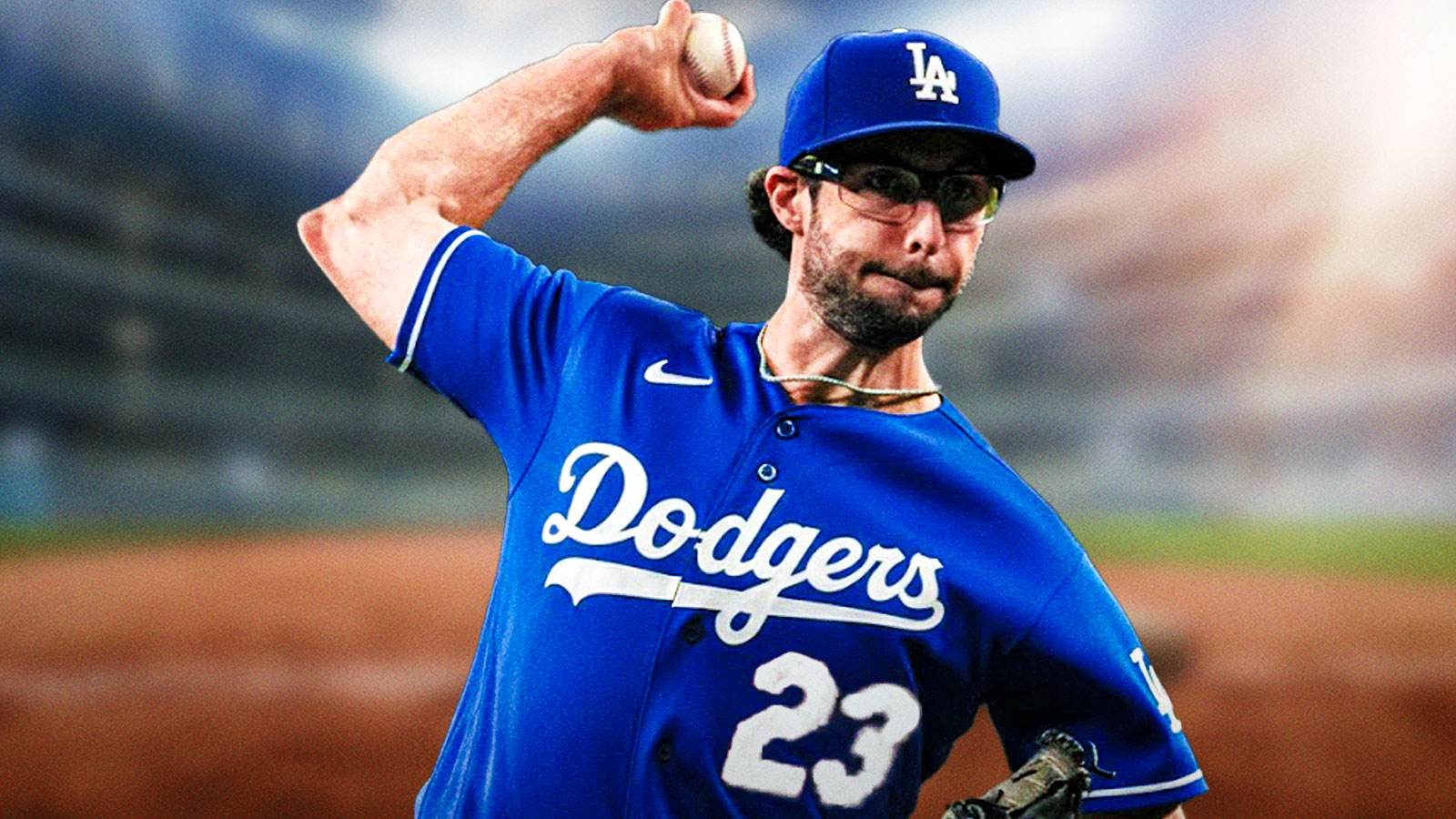
The Los Angeles Dodgers have not been idle this offseason. They have adjusted, reinforced, and recalibrated with the urgency of a franchise chasing history. And on Thursday, when they finalized Max Muncy’s contract extension, they clarified something important—L.A. is doubling down on continuity while preserving flexibility.
This combination points directly to the next move.
If the Dodgers plan on winning a third consecutive championship, the priority is clear—they must aggressively pursue free agent pitcher Zac Gallen.
Muncy’s extension is not just a sentimental nod to a homegrown cornerstone. It is a value play. Locking in a projected 30-home run bat at roughly $10 million in 2027 is significantly below the open-market cost for comparable power production. Rather than allocating premium dollars to external hitters, Andrew Friedman chose cost certainty and internal stability. That decision preserved payroll maneuverability.
Now that flexibility should be redirected toward pitching.
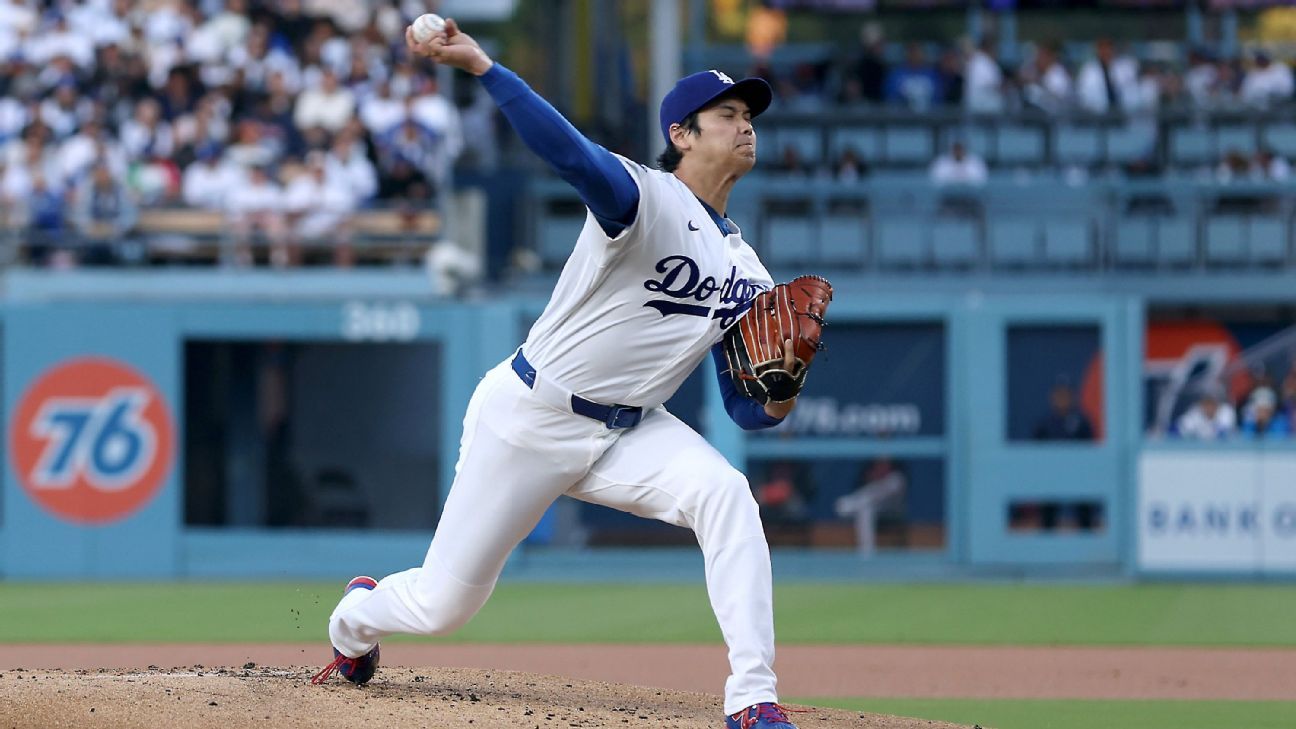
The Dodgers’ rotation features enormous upside, with Shohei Ohtani, Tyler Glasnow, Yoshinobu Yamamoto, and Blake Snell each possessing ace-level ceilings. In a short postseason series, that quartet can overpower anyone. Over a 162-game season, however, volatility becomes the real opponent. Ohtani is returning to a full pitching workload, Glasnow’s injury history is well documented, Yamamoto endured physical challenges during his transition to MLB, and Snell has rarely been a 180-inning workhorse despite his Cy Young pedigree. For an organization that operates under the belief that there is no such thing as too much pitching, those durability variables only strengthen the case for adding yet another proven arm.
The top-end talent is undeniable. The durability projection is less certain.
This is why the former Arizona Diamondbacks ace is the optimal fit.
On the surface, his 2025 season—highlighted by a 4.83 ERA—appears to signal regression. But that number requires context. From 2020 through 2024, Gallen averaged 28 starts per season and finished top five in Cy Young voting twice. His strikeout rates, command metrics, and underlying indicators suggest that 2025 was more variance than collapse.
At 30 years old, he remains firmly in his prime.
The qualifying offer attached to Gallen has cooled portions of the market, attaching draft compensation and international bonus pool penalties to his signing. For many clubs, that is a deterrent. For the Dodgers, operating squarely in win-now mode, it should not be.
Los Angeles already exceeds the luxury tax threshold. Marginal draft capital is less valuable than October certainty. When pursuing a three-peat, future depth pieces should not obstruct present championship equity.
Financially, the move is logical. Pair Muncy’s below-market extension with a projected $18–20 million annual commitment for Gallen, and the Dodgers would address two premium needs for roughly $28–30 million annually. That is the approximate cost of a single top-tier free agent. The efficiency is striking. Offensive continuity remains intact while the rotation gains a stabilizing presence.
This is not about star accumulation. It is about insulation.
Championship runs rarely collapse because of a lack of talent at the top. They unravel when the middle of the rotation fractures under strain. History reinforces that lesson. The 1998–2000 Yankees survived October not just because of elite arms but because of layered depth. Redundancy sustains dynasties.
The veteran right-hander offers stability. Even in a down year, he profiles as a starter capable of absorbing 170-plus innings, preserving the bullpen, and reducing the need to rush arms back from injury. This type of reliability often proves more valuable over six months than in a flash.
The competitive impact also extends beyond internal improvement.
Gallen has spent six seasons anchoring the Arizona Diamondbacks’ staff. Removing him from a division rival while adding him to Los Angeles creates a tangible swing in the NL West race. A two-to-three WAR shift inside the division can translate directly into multiple games in the standings. In a postseason format where seeding dictates matchups and rest advantages, those margins matter.
Timing matters, too.
With Spring Training play set to begin next Friday, urgency is no longer theoretical. Gallen remains unsigned, and the longer the market stalls, the more leverage shifts toward decisive organizations. The Dodgers possess both the financial muscle and structural creativity to craft a short-term, high-AAV contract or an opt-out-driven deal that mitigates long-term risk.
The present is the moment to act, not monitor.
Critics may argue that the Dodgers have already invested heavily and should trust their internal options. But October has consistently revealed a harsh reality about sustained title defenses, as pitching depth erodes faster than anticipated. Betting on perfect health is not strategy—it is hope. The club nearly experienced a severe lesson in the series, trailing into Game 6 and then down by a run in Game 7, until Miguel Rojas rescued the season with a solo blast in the bottom of the ninth inning. If any organization understands how quickly a championship can pivot on pitching attrition, it is the Dodgers.
Muncy’s extension signaled discipline. It reflected confidence in the current core. But preserving flexibility only matters if it is deployed strategically. The Dodgers have stabilized their lineup. The next logical step is fortifying the rotation against inevitable attrition.
The Dodgers have positioned themselves intelligently.
Sign Gallen before the heat rises in the desert.
The post 1 move Dodgers must make after Max Muncy contract extension appeared first on ClutchPoints.
What's Your Reaction?
 Like
0
Like
0
 Dislike
0
Dislike
0
 Love
0
Love
0
 Funny
0
Funny
0
 Angry
0
Angry
0
 Sad
0
Sad
0
 Wow
0
Wow
0