














Why Texas Tech basketball is a clear March Madness pretender

Having faced seven ranked opponents in their first 21 games, few teams are more battle-tested in the 2025-2026 college basketball season than Grant McCasland’s Texas Tech squad. Led by star forward JT Toppin, the Red Raiders have looked elite at times, but they have not been consistent enough to become legitimate March Madness contenders by the end of the year.
Texas Tech owns a 16-5 record at the end of January, tied for third in the cutthroat Big 12. Four of the Red Raiders’ five losses have come against teams currently ranked in the top 15.
Texas Tech also owns quality wins over Houston, BYU and Duke. It is the only team to beat the No. 4 Blue Devils and just one of two teams with a win over Kelvin Sampson’s Cougars. Their 92-73 win over Baylor on Jan. 20 was also classified as a Quad 1 win by the NET Rankings.
The Red Raiders’ brutal schedule has earned them the respect of the rankings voters, who rank them higher than any other five-loss team. They will almost certainly take a hit in the Feb. 1 update after losing to UCF, but they are currently ahead of four high-level teams with fewer losses.
Strength of schedule is carrying Texas Tech, but its lackluster record against ranked opponents is concerning for its championship outlook. The schedule does not get any easier with matchups against Kansas, Iowa State, Arizona, Arizona State and a rematch with BYU before the end of the regular season.
Texas Tech can look like the best in the country on any given night, but it is not consistent enough to have prolonged success in the impending March Madness tournament.
Just JT Toppin is not enough
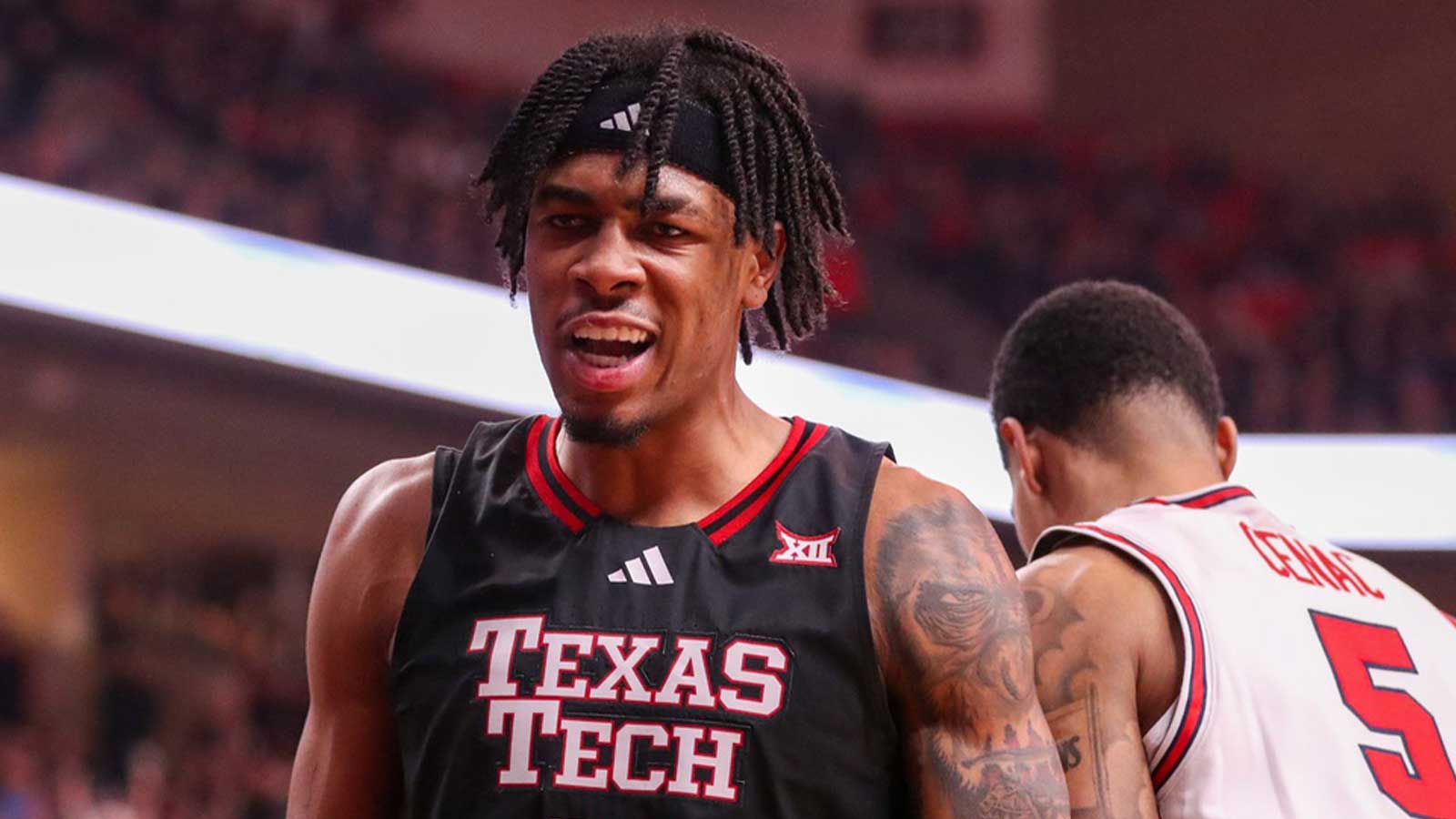
Texas Tech is more than good enough to beat elite teams, just not six games in a row to win March Madness. The Red Raiders have been one of the best offensive teams all season, but their lack of versatility will have a big part in their downfall.
Texas Tech’s offense runs on star forward JT Toppin, who lives on the shortlist of the best players in college basketball. Toppin leads Grant McCasland’s team with 22.1 points, 10.9 rebounds, 2.1 assists, 1.1 steals and 1.8 blocks per game at the end of January.
Toppin has been even better when Texas Tech has needed him most. The junior is averaging 25.0 points, 10.8 rebounds and 1.9 blocks in the Red Raiders’ first seven games against ranked opponents, including a trio of 30-point double-doubles.
Few players in the country can handle Toppin’s physicality and body control in the paint, especially once he gets a head of steam toward the basket.
Complementing Toppin is sophomore guard Christian Anderson, who is right behind him with 19.8 points, 3.5 rebounds and a team-high 7.5 assists. Anderson averages the third-most assists in the country, only behind Purdue’s Braden Smith and Michigan State’s Jeremy Fears Jr.
Toppin is elite, and Anderson is the exact point guard McCasland wants running his offense. The two-man game is a thing of beauty when it works, but it is simply not enough to consistently beat the best teams in the country. Just Toppin and Anderson are not enough to beat teams like Arizona, Duke, Michigan or Kansas, which each have the personnel to handle Texas Tech’s tenacity in the paint.
Toppin is an elite player who can have games where he carries Texas Tech to massive March Madness victories. It is just not enough to work consistently for three weeks against the best teams in the country.
Texas Tech’s defense will be its undoing in March Madness
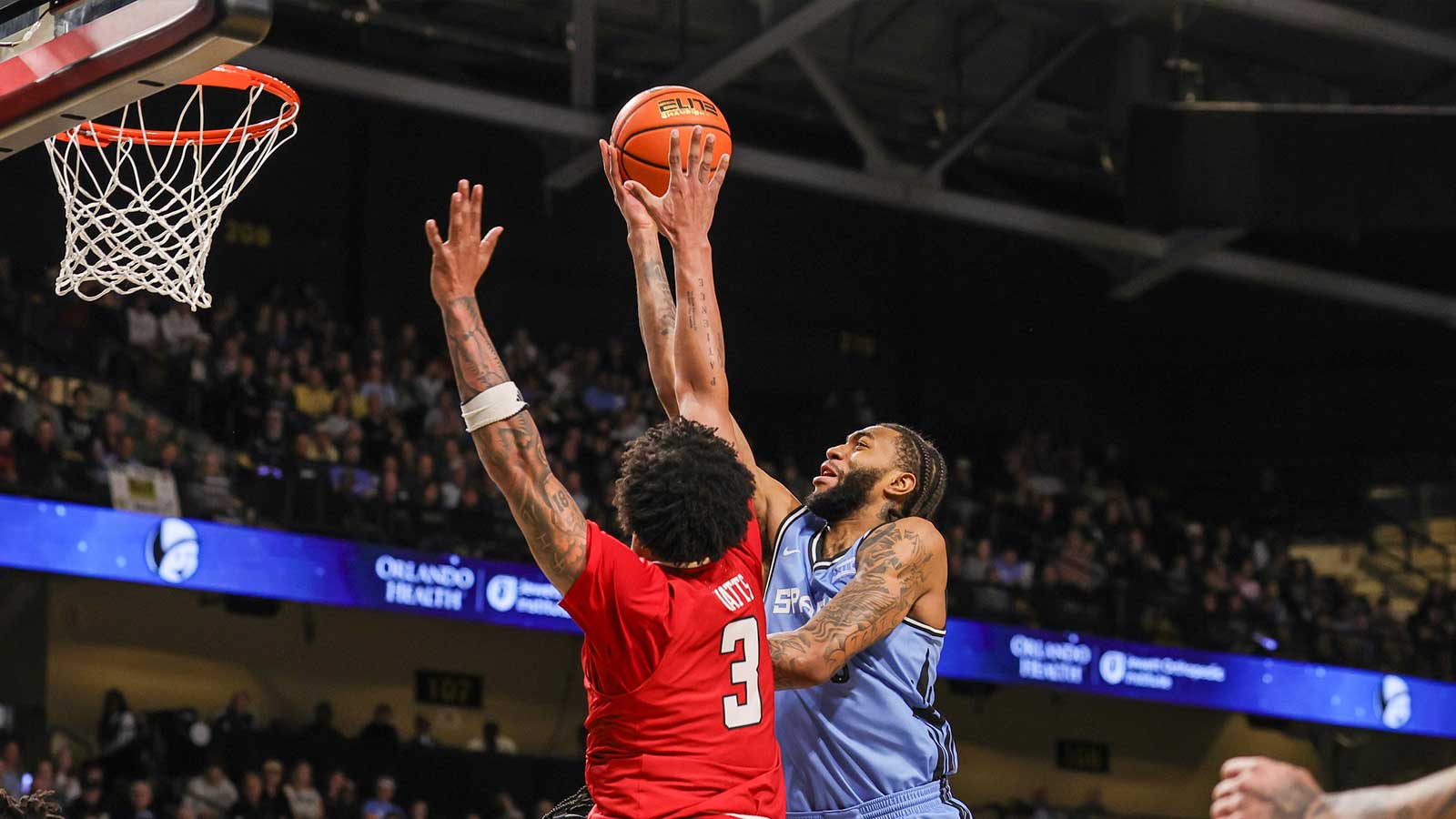
Even more concerning than Texas Tech’s offensive limitations are its defensive shortcomings. Texas Tech currently has the 10th-best offensive rating, according to KenPom, but just the 44th defensive rating
The KenPom ratings suggest that more than 90 percent of national champions since 2001 have had a top-25 offensive rating and a top-35 defensive rating. Texas Tech qualifies offensively, but that model raises a massive red flag with Grant McCasland’s defense.
Texas Tech’s numbers have been affected by its tough schedule, which does not get any easier as the season winds down. They allow 73.8 points per game, 154th in the country, which increases to 81.0 points per game in their seven games against ranked teams. Only two top-25 teams failed to reach 80 points against the Red Raiders, BYU and Houston, with the Cougars scoring 86 in the rematch.
The Red Raiders have not been atrocious at defending any particular area, but their pace has been a double-edged sword. While Texas Tech ranks 25th nationally in field goals made, it is also 227th in opponent field goals made.
Texas Tech also ranks sub-100 in opponent field goal percentage, opponent effective field goal percentage, three-pointers allowed and free throws allowed.
As effective as JT Toppin and Christian Anderson can be offensively, Texas Tech’s subpar defense never allows them to pull away from any elite opponent, and it will prove to be a fatal flaw in the 2026 March Madness tournament.
The post Why Texas Tech basketball is a clear March Madness pretender appeared first on ClutchPoints.
What's Your Reaction?
 Like
0
Like
0
 Dislike
0
Dislike
0
 Love
0
Love
0
 Funny
0
Funny
0
 Angry
0
Angry
0
 Sad
0
Sad
0
 Wow
0
Wow
0