


-(1).jpeg)








Why Cavs shouldn’t fire Kenny Atkinson after disastrous ECF series vs. Knicks

The immediate aftermath of a playoff humiliation often creates the loudest overreactions. Well, few collapses in recent memory have generated more frustration than the Cleveland Cavaliers getting swept out of the Eastern Conference Finals by the New York Knicks. When a season ends with boos echoing through Rocket Arena, somebody inevitably becomes the target. For many fans, that finger is now pointing directly at head coach Kenny Atkinson. That said, firing Atkinson after one breakthrough season would be an overly emotional reaction. Championship windows are built through patience and continuity — not panic detonations.
Undeniably brutal
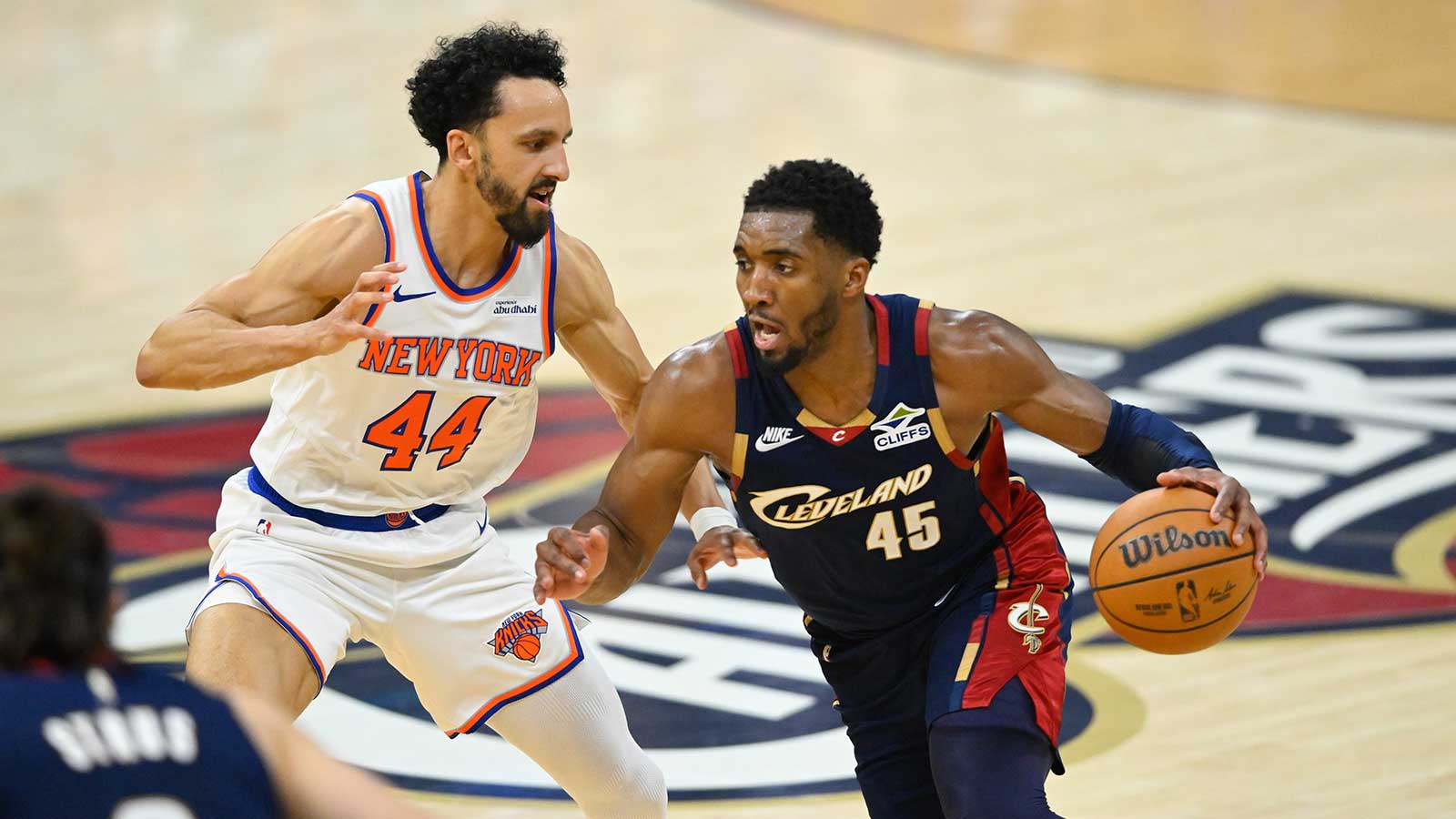
Game 4 felt like a public execution. The Knicks stormed into Cleveland and delivered a ruthless 130-93 blowout. New York built a staggering 29-point lead early and never looked remotely threatened afterward. Donovan Mitchell did everything possible to delay the inevitable. He scored 31 points overall. He tried to carry the offense almost entirely by himself. Beyond Mitchell, however, the Cavs completely unraveled. James Harden produced a disastrous elimination-game performance with just 12 points on 2-of-8 shooting. He also committed five costly turnovers. Meanwhile, Karl-Anthony Towns and Landry Shamet repeatedly punished Cleveland’s exhausted defensive rotations with surgical efficiency.
The final scoreline reflected more than just one bad night. It highlighted a Cavs roster that had completely emptied the tank physically and mentally.
Still took a major step
That painful ending should not erase everything Cleveland accomplished throughout the 2025-26 campaign. Under Atkinson’s leadership, the Cavaliers evolved into a legitimate, if flawed, Eastern Conference contender. Cleveland finished with 52 wins during the regular season. They established one of the league’s more creative offensive systems. Atkinson consistently maximized spacing opportunities for Evan Mobley and Jarrett Allen. He also kept the team afloat through injuries and rotation instability.
More importantly, the Cavs finally broke through the postseason ceiling that had haunted this core for years. Previous Cleveland teams repeatedly stalled before reaching the conference finals. This season changed that narrative. Recall that the last time Cleveland was in the ECF was in 2018. The Cavs survived two emotionally draining seven-game series against the Toronto Raptors and Detroit Pistons. They showed a level of resilience this roster had never previously shown.
Despite their Game 4 loss to the Knicks, that general progress still matters. Deep playoff runs are often built through painful lessons, after all.
Progress is progress
One disastrous series should not erase months of organizational growth. Atkinson proved this roster could survive deep playoff pressure and still reach the NBA’s final four. That is still progress.
Too often, franchises become obsessed with instant gratification. They should not forget how championship teams are actually built. The Knicks themselves endured years of playoff disappointments. Now, they are a legitimate powerhouse. Continuity matters, especially for teams trying to establish sustainable identity and chemistry.
Firing Atkinson now would introduce unnecessary instability. The cavs needed to experience what deep postseason basketball feels like physically, mentally, and tactically. They now understand the demands of late May basketball far better than they did a year ago.
Running on fumes
This series also cannot be analyzed honestly without acknowledging the enormous fatigue gap between both teams. Cleveland entered the Eastern Conference Finals battered, exhausted, and emotionally drained. By Game 4, the Cavs had already played 18 postseason games in an unforgiving stretch of high-intensity basketball. Meanwhile, New York entered the series rested, healthy, and peaking at exactly the right moment.
Cleveland consistently lost 50-50 balls. Their defensive closeouts were slower. Their transition defense repeatedly collapsed. Mitchell himself looked visibly compromised throughout the series.
No coach can magically scheme around pure exhaustion. At some point, basketball becomes less about X’s and O’s and more about surviving physically. Cleveland simply ran out of fuel against a fresher and deeper opponent.
Roster construction
Ultimately, the biggest issue exposed during the Knicks series was not coaching but roster imbalance. The Cavaliers are top-heavy financially while lacking the versatile wing depth required to survive this deep into the playoffs. New York could throw wave after wave of athletic perimeter defenders at Cleveland. The cavs simply did not possess enough two-way depth to counter that versatility.
Atkinson repeatedly leaned on aging veterans and overextended starters because the roster lacked reliable alternatives. The Knicks exploited that weakness relentlessly. They forced Cleveland’s slower defenders into impossible rotations. That is a roster-building problem.
The front office must now do a better job of surrounding Mitchell and Mobley with younger, longer, more switchable perimeter pieces.
Patience, not panic
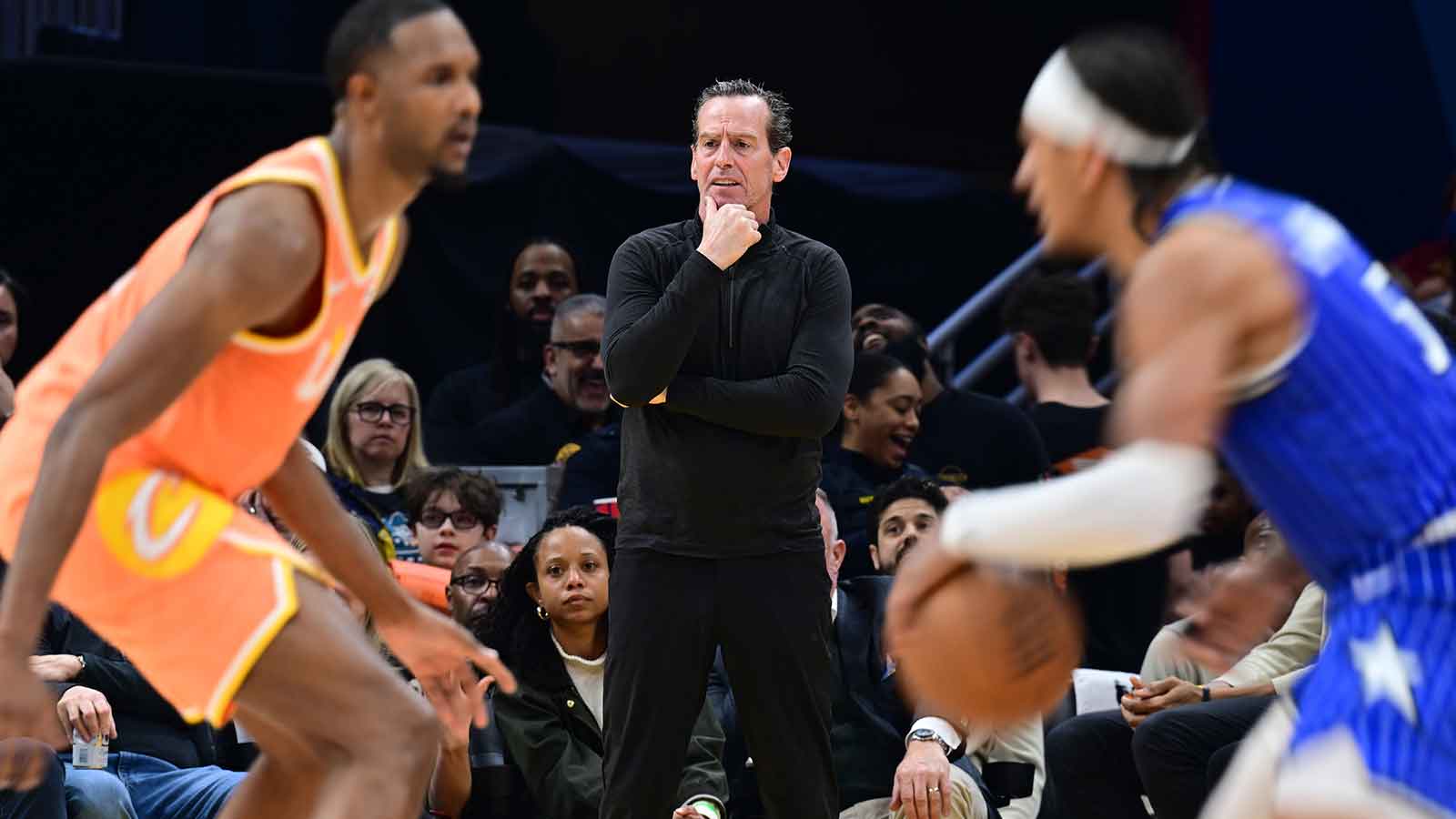
Every painful playoff exit creates pressure for dramatic changes. However, Cleveland must resist the temptation to scapegoat the wrong person. Kenny Atkinson helped elevate the Cavaliers to heights they had not reached in nearly a decade. He established culture, accountability, and postseason toughness.
Yes, the Knicks embarrassed them. The sweep was ugly, but context still matters. This painful lesson should inspire smarter roster adjustments and not a panicked coaching search.
The post Why Cavs shouldn’t fire Kenny Atkinson after disastrous ECF series vs. Knicks appeared first on ClutchPoints.
What's Your Reaction?
 Like
0
Like
0
 Dislike
0
Dislike
0
 Love
0
Love
0
 Funny
0
Funny
0
 Angry
0
Angry
0
 Sad
0
Sad
0
 Wow
0
Wow
0