







Why Arizona basketball is a clear March Madness contender
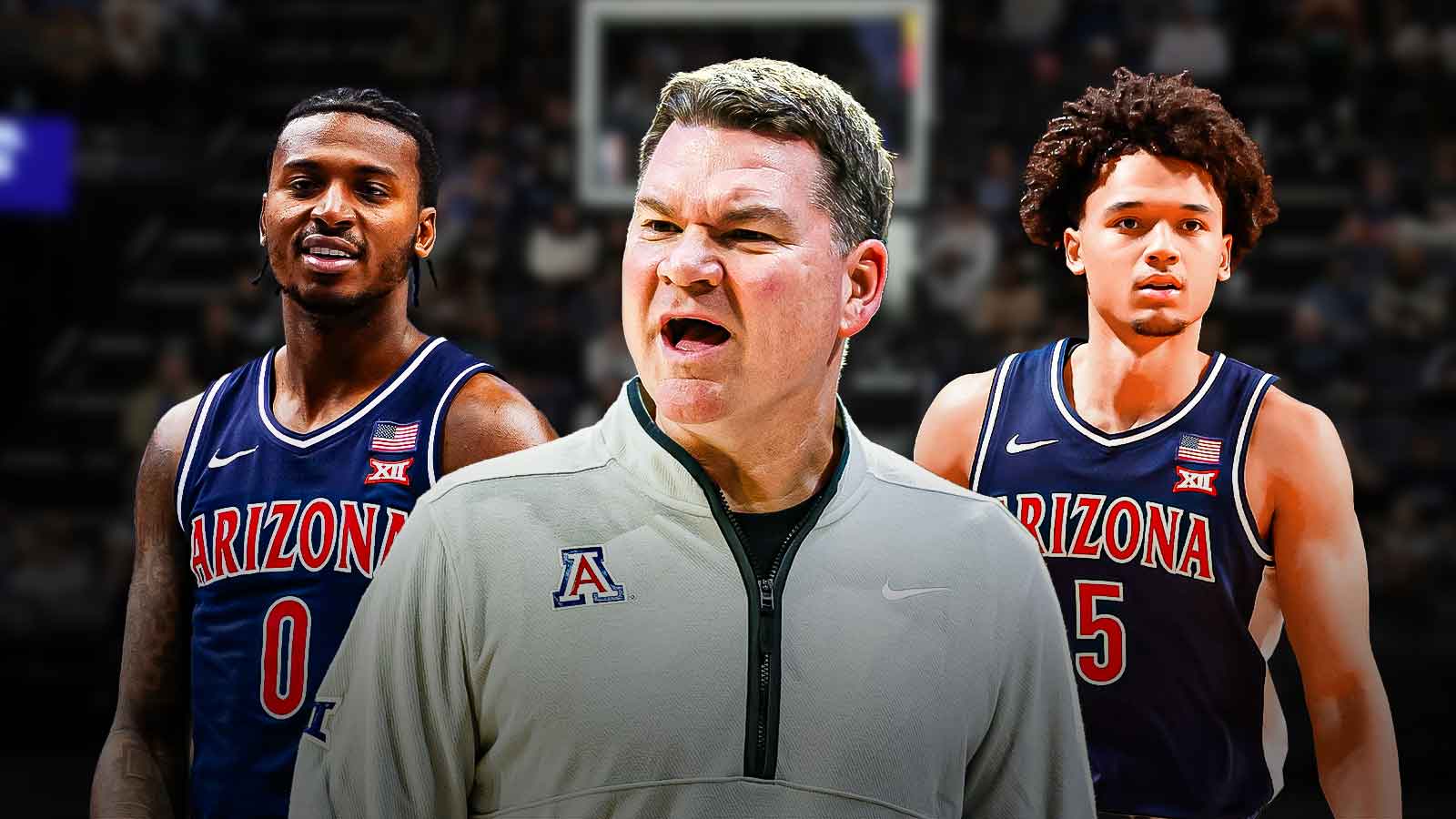
In four previous seasons under head coach Tommy Lloyd, Arizona has yet to advance past the Sweet Sixteen in the March Madness Tournament. The Wildcats’ recurring disappointments make it easy to write them off as championship contenders, but they are in a different position in 2025-2026, led by senior Jaden Bradley and freshman Brayden Burries.
Following its 87-74 win over rival Arizona State on Saturday, Arizona remains the No. 1 team in the country as one of two undefeated teams remaining. The Wildcats own the third-best margin of victory, beating teams by an average of 21.3 points thus far.
Of their first 22 victories, only five have been decided by 10 or fewer points. Arizona has dominated on both ends of the court, holding 16 different opponents to 75 or fewer points.
Arizona’s record is even more impressive given its tough on-paper strength of schedule. They are already 6-0 against ranked teams through 22 games, including victories over BYU and UConn on the road. The Wildcats stand alone atop the ultra-competitive Big 12 Conference, which features six top-15 teams.
While Arizona is poised to enter March Madness with another high seed, it has not fared well in that position under Lloyd. The Wildcats entered the tournament with a No. 1 or No. 2 seed in three of the last four years, only to be on the wrong end of some of the tournament’s biggest upsets in the last decade.
College basketball fans might find it difficult to trust Arizona given its recent results, but Lloyd has a different team in 2026 primed for March Madness success.
Arizona’s backcourt is the best in college basketball
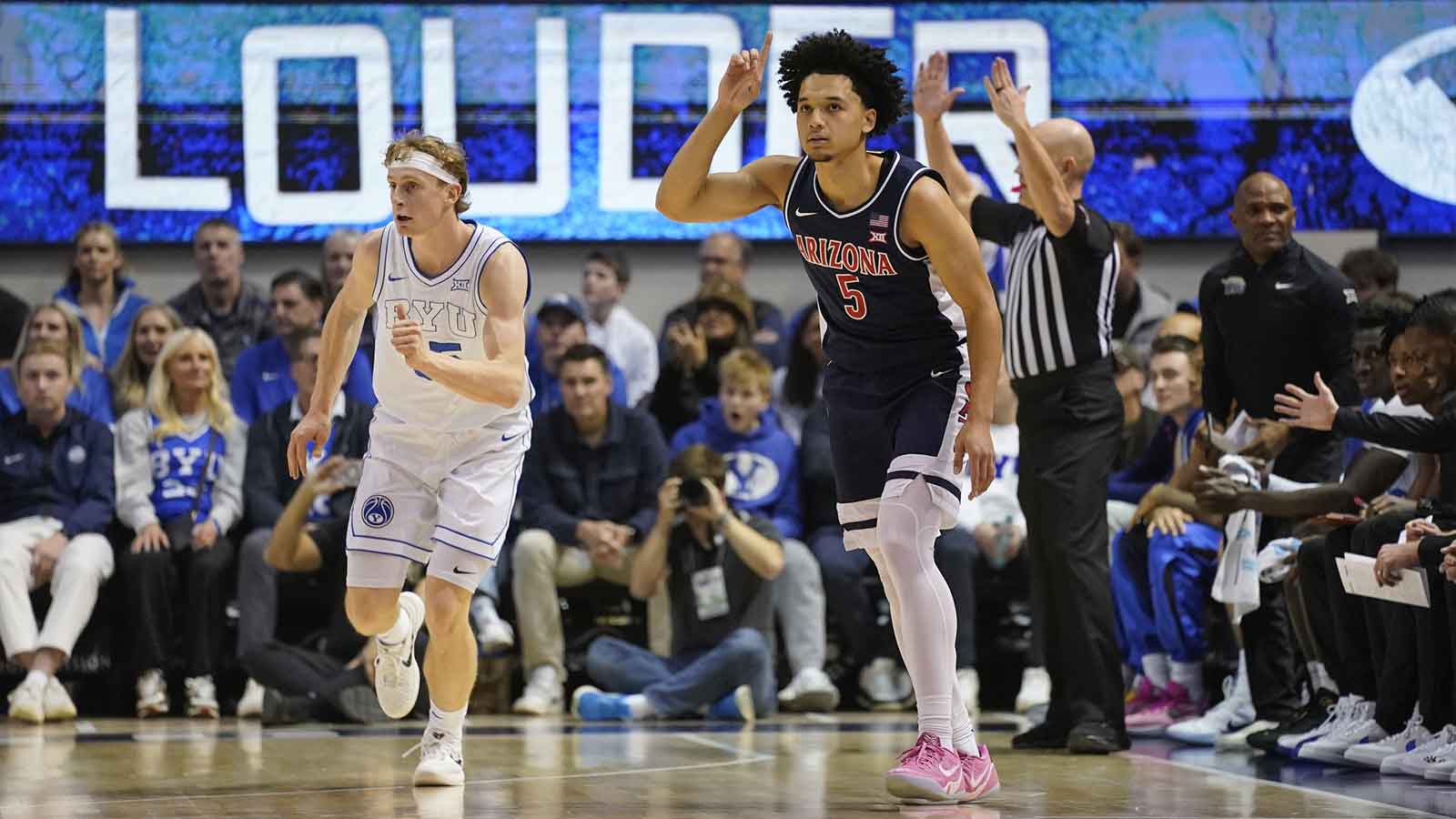
Arizona does not have a dominant scorer in 2025-2026 as it had with Caleb Love a year ago, but it boasts arguably the best backcourt in the country. Between star freshman Brayden Burries and veteran Jaden Bradley, there might not be a more consistent duo in college basketball.
Burries leads the team with 15.3 points per game at the end of January, a month during which he averaged 17.2 points in nine games. After struggling against the best teams in the country to begin his career, the five-star recruit has reached double figures in 15 of Arizona’s last 17 games.
Burries has also been a solid contributor, averaging 2.8 assists per game. However, it is Bradley leading the team with a career-high 4.4 assists per game. Bradley is also the Wildcats’ second-leading scorer, posting 14.5 points per night.
Bradley and Burries run the show for Arizona and have been at a completely different level since the calendar flipped to 2026. The guards combined for 32.4 points and 7.9 assists per game. Burries shot 51 percent from the floor and 40 percent from three in January, with Bradley shooting 47.3 percent and 33.3 percent from deep during the month.
Both players have been even better when the lights have been brightest. They combined for 55 points in a road win over BYU, 41 against Alabama and 32 against Auburn.
Bradley has been a beacon of consistency since joining Arizona ahead of his sophomore season, and Burries has now matched that level. Either player is capable of taking over any game, which has made it difficult for teams to stop the Wildcats’ offense in crunch time.
Teams typically falter in March Madness without elite guard play, and Arizona has two of the best in college basketball calling the shots.
Tobe Awaka, Koa Peat form the most physical frontcourt
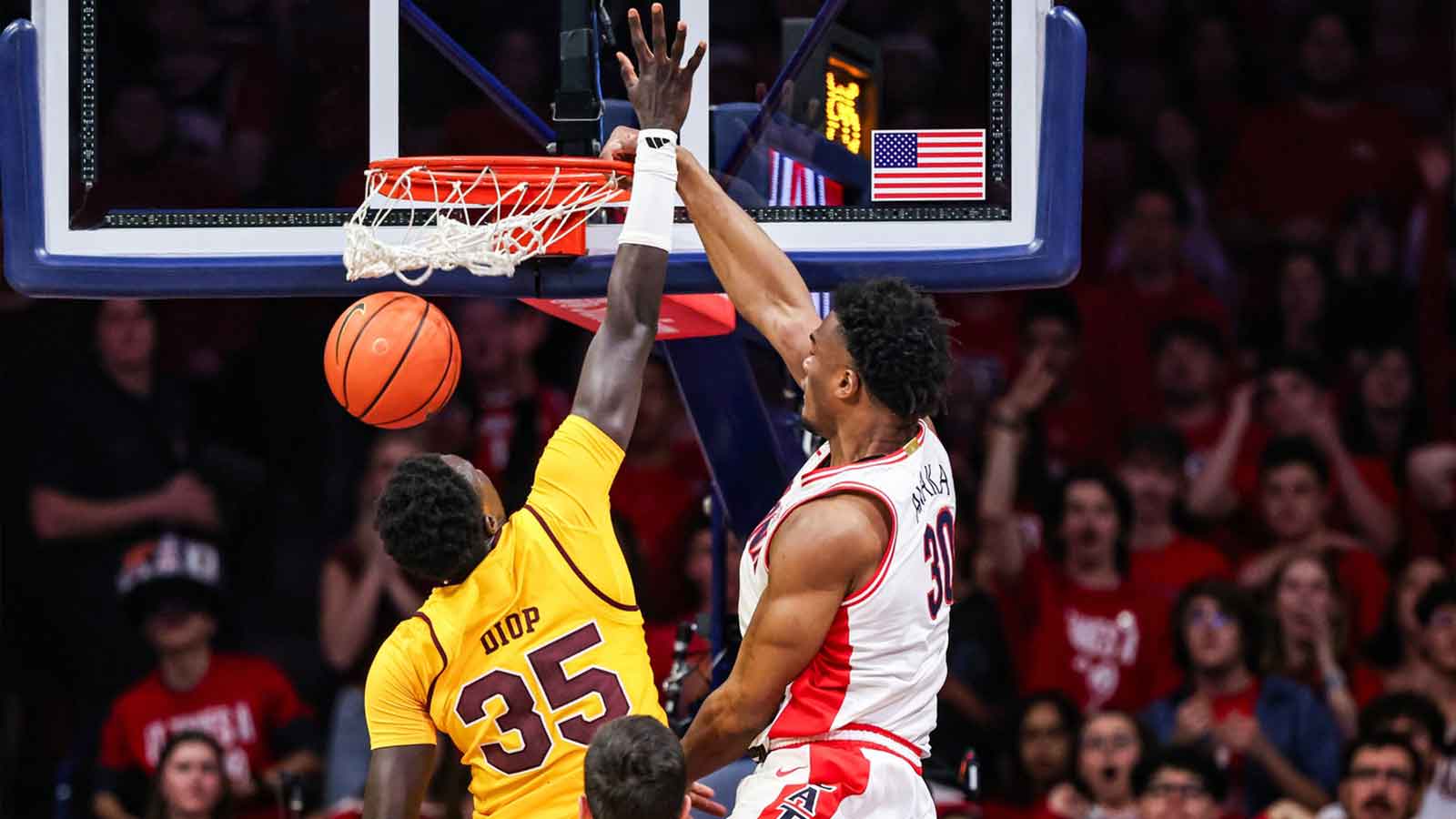
While a few teams can match Arizona’s guard play, none can equal the Wildcats’ physicality in the trenches. As difficult as Jaden Bradley and Brayden Burries are to deal with, Lloyd’s frontcourt rotation is the toughest to handle from a physicality standpoint.
Physicality has been a staple of Lloyd’s teams since he took over the Arizona basketball program in 2021. The Wildcats are routinely one of the most physical teams in the country, but they have taken that to another level in 2025-2026.
Arizona lost seven-foot center Henri Veesaar in the 2025 college basketball transfer portal, a move that appeared impactful at times, but it has been bigger and even more physical this season.
Lloyd replaced Veesaar in his starting lineup with 7-foot-2 junior Motiejus Krivas, who has blended perfectly with senior Tobe Awaka and freshman Koa Peat. The combination of Krivas’ size and Awaka and Peat’s physicality has been a puzzle that no team has been able to solve entering February.
Neither Awaka, Peat nor Krivas are dominant scorers, but their impact on the glass and on the block has worn teams out. Arizona has allowed opponents to hit just 43.6 percent of their two-point attempts, fourth-best in the country.
While teams like Duke, Michigan, Illinois and UConn have the size to potentially match the Wildcats, none have the bodies capable of banging with Awaka and Peat all game. Arizona’s sheer physicality down low has fatigued teams all season and will become a driving factor of its success in March Madness.
The post Why Arizona basketball is a clear March Madness contender appeared first on ClutchPoints.
What's Your Reaction?
 Like
0
Like
0
 Dislike
0
Dislike
0
 Love
0
Love
0
 Funny
0
Funny
0
 Angry
0
Angry
0
 Sad
0
Sad
0
 Wow
0
Wow
0