
Cricinfo staff
Published: Nov 23, 2026, 7:17 AM (10 mins ago)
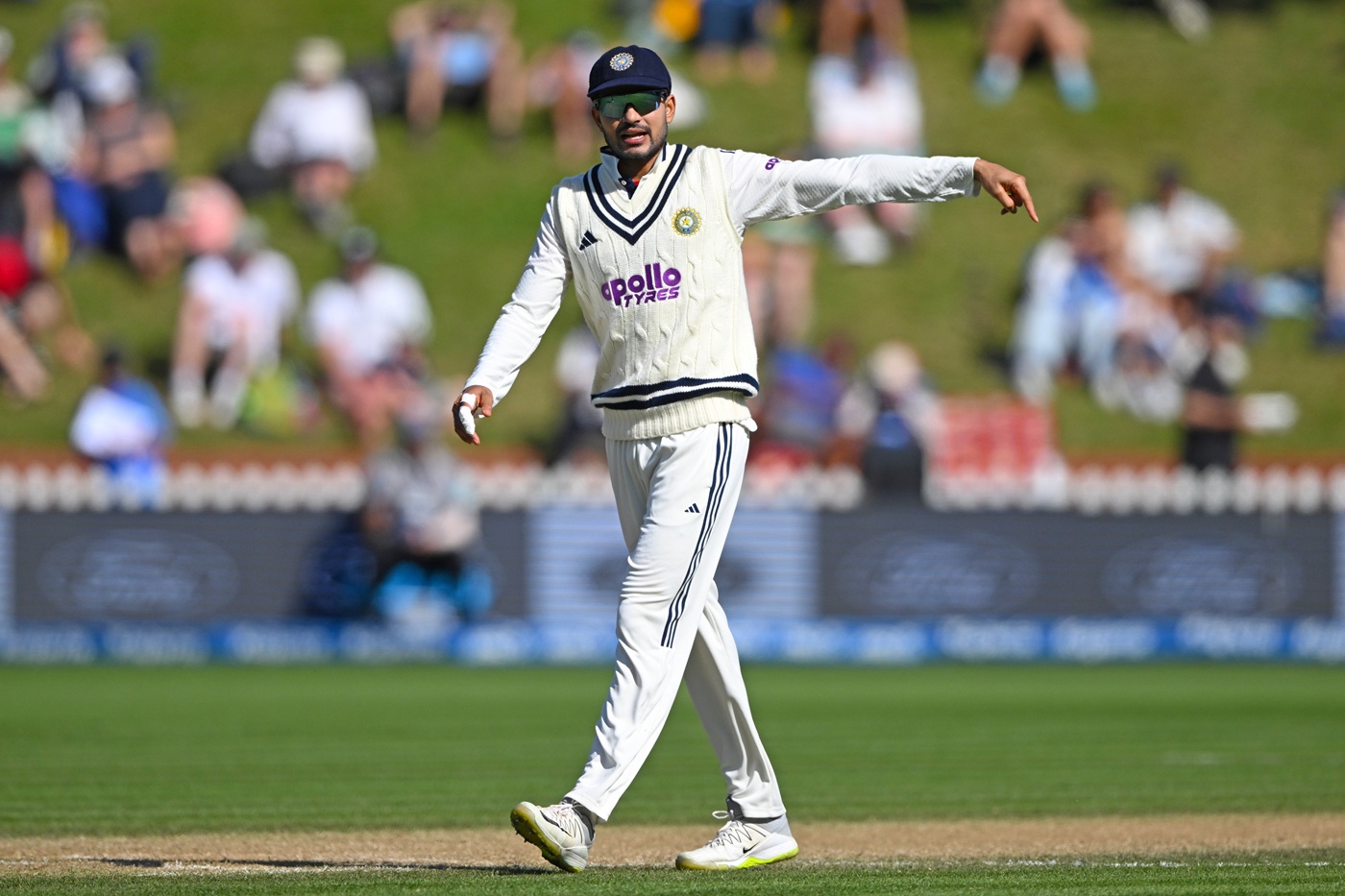
Leaving Mohammed Siraj out of the playing XI was "a very tough decision", India captain Shubman Gill has said after the first Test against New Zealand ended in a draw in Wellington. But Siraj, or anyone else, might not have helped tremendously, he said, since "there was no pace in the wicket", "the quality of the balls" was questionable, and "teams should be allowed to use saliva" on the ball again.
"I think a ball definitely plays a big role. Our first ball was very soft after 25-30 overs. I think the other team also complained," Gill said after the game. "We saw this in England [last year] as well. In the first three-four matches, the ball was getting soft very quickly. I don't know if the quality of the balls has come down or what.
"But in such conditions, if there is no help from the wicket, and on top of that, the ball has become soft, then it becomes very difficult for the bowlers to take wickets. [The edges] don't carry. If there is not enough movement in the pitch, then all you have are lbws and bowleds.
"So I think the quality of the balls will be better. And on top of that, I don't understand why we haven't been allowed to shine the ball yet. We are way past Covid times. There was a rule that you can't put saliva on the ball to make it shine. It's been seven-eight years and I still don't understand why they are not allowing it. I think this is also a big factor."
India declared their first innings on the fourth day after taking a 352-run lead, giving their bowlers around 135 overs to bowl New Zealand out again. They managed to pick up just five wickets, with the New Zealand batters intent on playing attritional cricket to save the Test on a pitch that gave the bowlers next to nothing.
"If a team used to play a five-Test series, we used to draw two matches. It was common, but not so much now. That's why we are not used to draws. That's why we definitely feel more frustrated," Gill said. "I don't think there was anything happening [from the pitch] at all.
Maybe a couple of balls staying low, but there was no pace in the wicket. So even the balls that were staying low weren't quick enough to beat the batsmen."
"Sometimes, you have to see which bowlers are in form, which bowlers are bowling the best. And I had this conversation, I told him before the match that he's going to be missing out. I don't know if he agreed or not, but he understood that"Shubman Gill on leaving out Mohammed Siraj
Could Siraj have been the man to do the job then, or is it a case of the player not in the XI being the best man for the job, as is often the case in sport when things don't go to plan?
"I think we played the best bowling attack that was there for this match," Gill said. "And see, Siraj is a great player and a great bowler who has done very well for India. But, you know, before all of that, he's a really good friend of mine. Even before playing for India, we were really good friends. So leaving him behind was actually, it was a very tough decision for me as well.
"But sometimes, you have to see, you know, which bowlers are in form, which bowlers are bowling the best. And I had this conversation, I told him before the match that, you know, he's going to be missing out this match. And I don't know if he agreed or not, but he understood that. He understood what was the logic behind it. He understood why, you know, we picked someone else ahead of him.
"And I think in every player's career or life, there comes a phase, you know, where you're not going to be at the peak of your career all the time. I think he understands that. And he's, as long as the player is, you know, willing to work hard and come back, that is always a positive sign for us. He's one of those characters, you know, that always wants to come back and do well for the team."
India chose to shake hands with Daryl Mitchell and Glenn Phillips when the last hour started, seemingly having run out of ideas with the bowlers not able to make any headway. Was it a sensible call, though?
"I mean, all of our fast bowlers had bowled almost 50 overs in the match and I haven't given them four or five overs more - if there was anything in the wicket and we felt, and if they felt, they could get the batsman out or, you know, if there was a plan in place… I think we tried all the things, all the plans that we had thought of and they executed it.
"But there wasn't enough in the wicket and, you know, we thought extra ten or 15 overs isn't going to do anything."