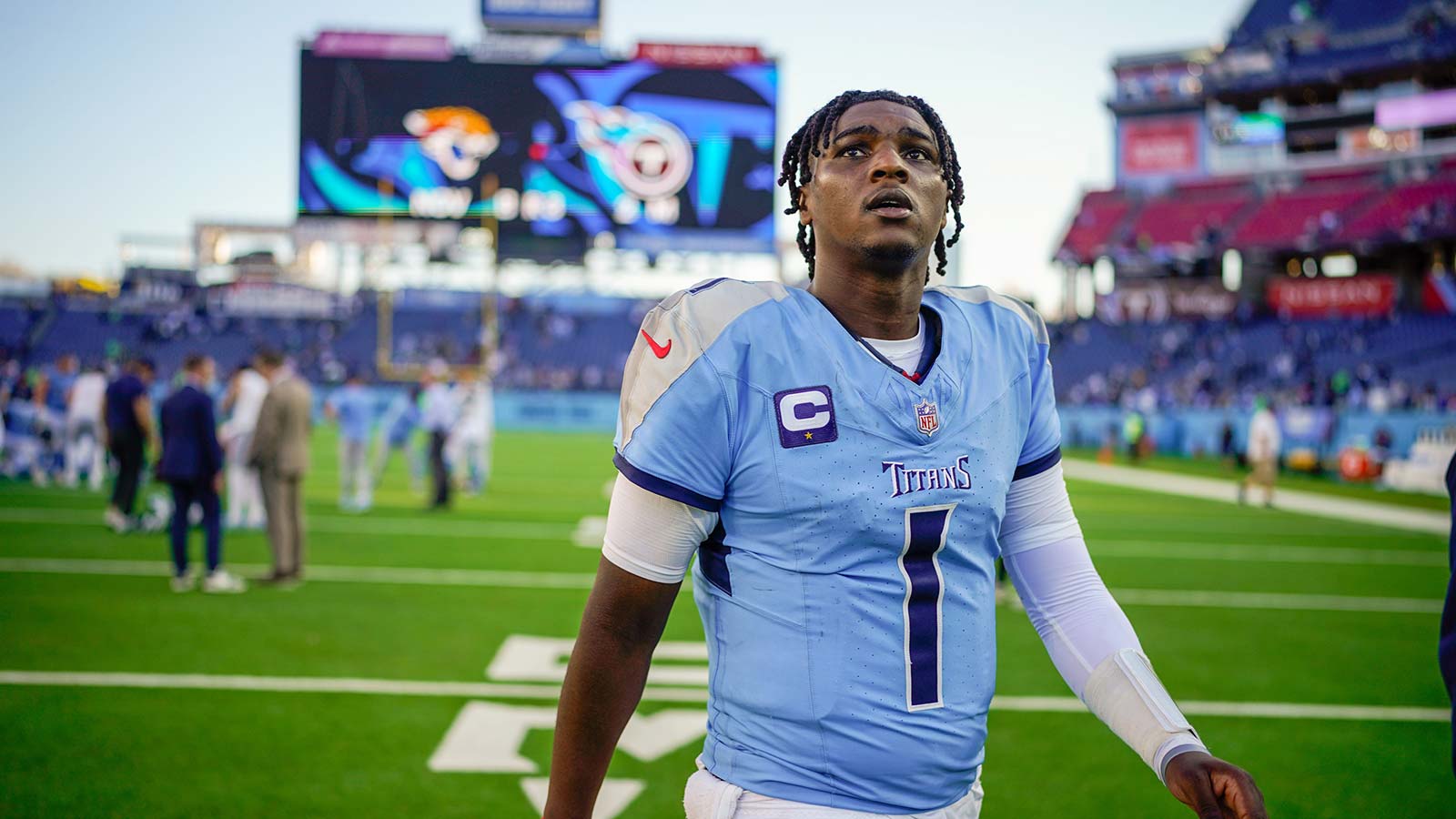
There is no polite way to describe what happened to Cam Ward in Week 1. The Tennessee Titans entered 2026 expecting their quarterback to take the next decisive step. Instead, Ward opened Year 2 with a performance that immediately reignited every concern surrounding his development. Against the New York Jets, Ward completed 19 of 32 passes for just 140 yards and one touchdown as Tennessee stumbled to a 23-10 defeat. The numbers are ugly, but the tape is worse. Ward looked hesitant and struggled to create anything downfield. One game does not make a bust, but this was exactly the kind of performance that makes the word impossible to ignore.
Nightmare start
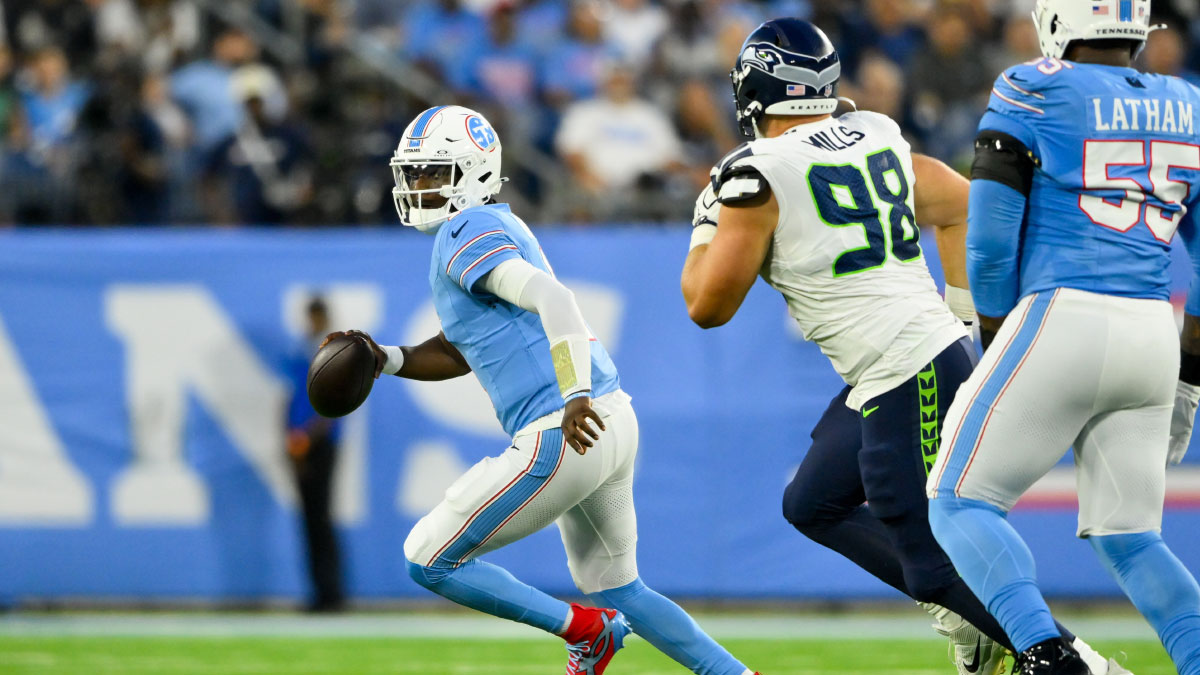
The Titans' Week 1 loss extended a miserable franchise streak to six consecutive Week 1 losses. Under brutal conditions, Tennessee looked gassed, disjointed, and entirely unequipped to dictate terms. New York dominated possession for 38:46. They authored a punishing 19-play drive that consumed nearly 12 minutes in the second quarter. The Titans managed only 195 total yards, including a paltry 68 rushing yards. The Jets sacked Ward three times and consistently controlled the line of scrimmage. Tennessee did not reach the end zone until Ward's late touchdown pass to Elic Ayomanor. At that point, the outcome was effectively settled. The Jets finished with 367 yards and controlled the game from start to finish.
Honeymoon over
The truth is that Cam Ward is officially on bust watch. That does not mean Tennessee should abandon him after one afternoon. It means the grace period surrounding the quarterback is officially shrinking. Ward's first NFL season provided enough encouraging moments to justify optimism. He threw for 3,169 yards, 15 touchdowns, and only seven interceptions in 2025. His arm talent and mobility convinced Tennessee to build its future around him.
That said, Year 2 was supposed to look different. The expectation was progression. Instead, Ward looked timid and overwhelmed against thez Jets. His 140 passing yards reflected an offense that could barely move the football. Tennessee produced just 112 yards through the first three quarters. They did not seriously threaten until the game was essentially decided.
Great quarterbacks find ways to manufacture offense when the running game stalls and the defense dictates the rhythm. Ward could not. He just struggled to consistently attack beyond the short areas and finished with an 80.2 passer rating. The late touchdown pass made the final stat line look slightly more respectable. However, much of that production came after New York had already established complete control.
Stagnation instead of growth
The most alarming element of Ward's performance was the lack of visible evolution. Throughout the offseason, Ward and the Titans spoke about the importance of improving his understanding of the NFL game. Ward himself said in September that being more intelligent about the game would be critical to Tennessee's success. Against the Jets, that improvement was difficult to find.
Ward appeared uncomfortable when the pocket tightened. He could now consistently create positive plays when his first read was unavailable. New York's defense was able to squeeze the passing game without needing Ward to make repeated aggressive throws downfield. Ward just looked like a quarterback still searching for answers.
That is particularly troubling because the Jets entered the game without the kind of defensive reputation that should have made Tennessee completely helpless. New York simply executed its plan. The Jets dominated possession and consistently forced the Titans into unfavorable situations.
Article Continues BelowTime is slipping away
The Titans cannot afford to spend another season talking exclusively about Ward's potential. That is because for Tennessee, their rebuild has reached the point where potential needs to become production. The NFL landscape is littered with quarterbacks who possessed spectacular physical gifts but never developed anything more. Ward's arm talent remains undeniable. His mobility remains an asset. Now, those tools only matter if he can translate them into efficient quarterback play. Sunday's performance was nowhere close.
The Titans also cannot simply blame the surrounding cast. Tennessee's offensive line struggled. The rushing attack generated only 68 yards. New York controlled the ball for nearly 39 minutes. All of those factors contributed to the collapse.
That said, franchise quarterbacks are ultimately judged by whether they can elevate imperfect circumstances. Ward did not.
The bust label
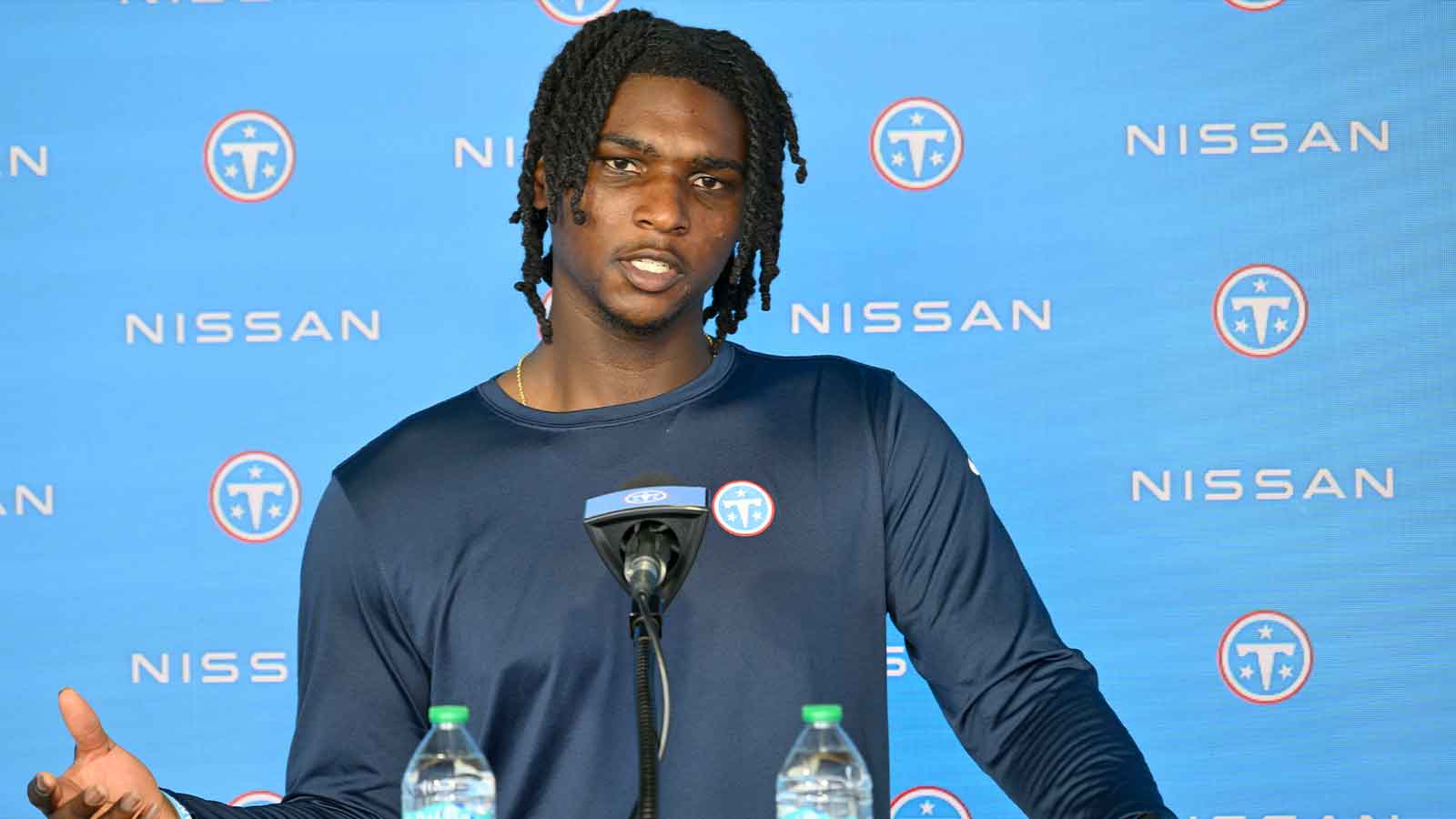
Remember, though â bust watch is not the same thing as bust. Ward has 16 games remaining to rewrite this narrative. One poor performance should not erase an entire year of development. The Titans also have an opportunity to correct the structural issues that made Ward's job so difficult.
That said, Ward himself must be part of that correction. He needs to get the ball out faster. He needs to trust his reads and attack intermediate windows with conviction. The next few weeks will tell us considerably more than one afternoon in Nashville.