
As the Protect College Sports Act languishes in the lame-duck session of the U.S. House of Representatives, the folks who hope to cure the “chaos” in college sports with an antitrust exemption that will give the NCAA and its members a license to violate the rights of players are getting desperate.
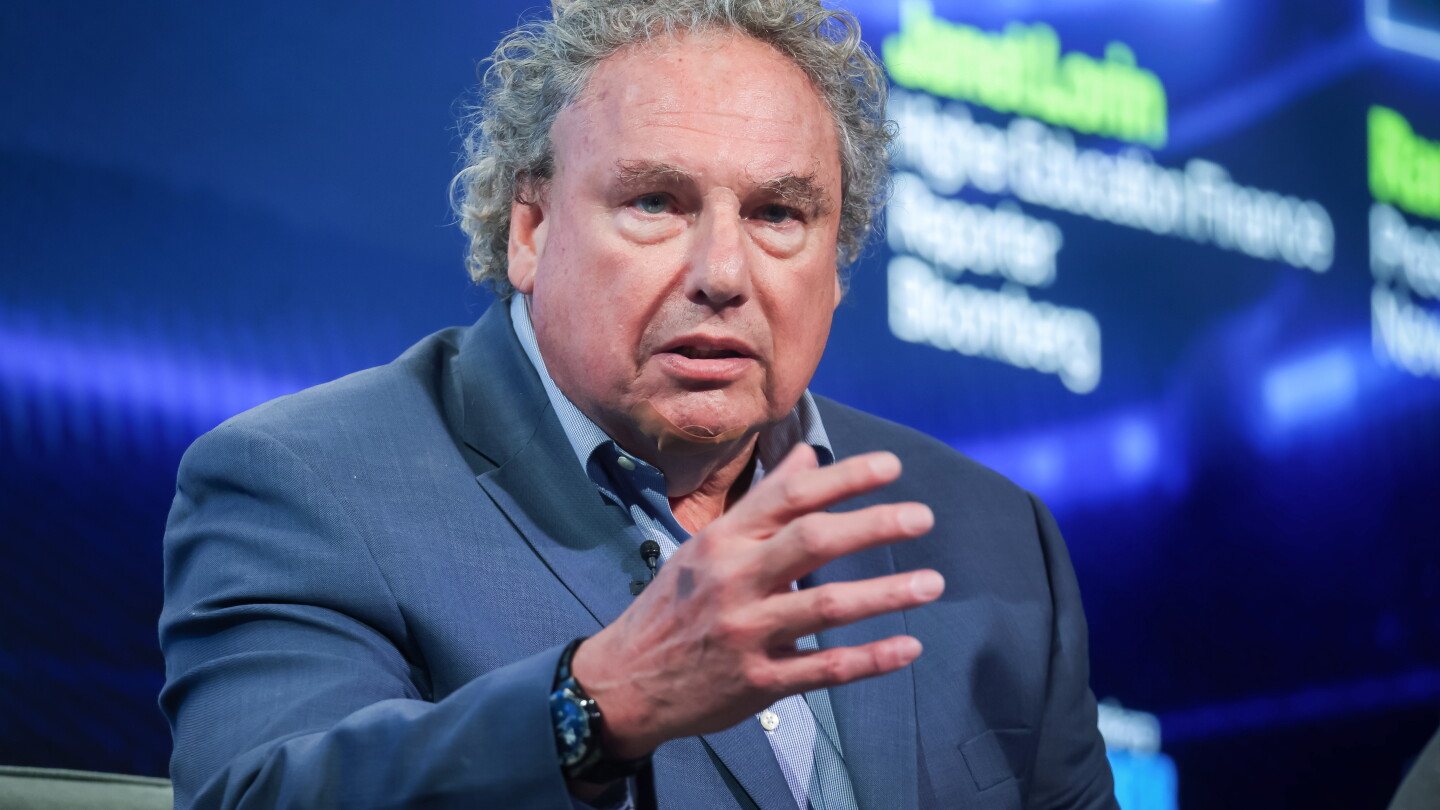
The best evidence of this comes from the fact that New York Yankees president Randy Levine, who serves as the vice-chair of President Trump’s Saving College Sports Roundtable, has called out Stephen A. Smith and me for our public opposition to the PCSA.
We’re being challenged by Levine because we’ve been vocal about calling the PCSA what it is — a bill that addresses the so-called “chaos” in college sports by reducing the rights that the players have won in recent years by successfully attacking a system that was littered with antitrust violations. The powers-that-be want Congress to wave a magic wand that will allow antitrust violations to occur without consequence. (I won’t speak for Stephen A. as to why he opposes the PCSA; I respect the fact that he’s willing to take a stand that clearly conflicts with the position of his employer.)
Levine made his case against Stephen A. (and Michael J.) in an interview with Charles Gasparino of the New York Post.
“One thing that has really annoyed me is the bogus argument put out by agents and their pundits such as Stephen A. Smith of ESPN and Mike Florio of NBC,” Levine said, adding that we “continually misrepresent that student athletes have had and will have no voice, and that is untrue.”
The problem isn’t they’ll have “no voice” later. It’s that they have “no voice” now. The process is being run not by the players but by the NCAA and the schools. The players aren’t claiming that there’s “chaos"; they benefit from the collapse of decades of antitrust violations flowing from the simple fact that the various schools huddled under the umbrella of the NCAA, which issued strict rules limiting what players can receive in exchange for playing college football.
Also, the characterization of me as one of “their pundits” means that Levine believes my opinions aren’t the product of my own authentic beliefs but that I’m somehow in the pockets of the agents representing college football players. While that is just plain false, the accusation isn’t surprising. We’ve caught wind of at least one media member who was offered a significant payment for a social-media post supporting the Protect College Sports Act. (I don’t know who specifically made the offer, but I know it was made.)
Levine called me in September, on the same day that Senator Ted Cruz (R-Texas) showed up on ESPN’s College GameDay to promote the PCSA. Levine began by basically calling me stupid for not realizing that collective bargaining is an impossibility for college sports.
Meanwhile, his November 10, 2026, letter to the entire U.S. House of Representatives explains on page 2 that “there will be nothing to prevent collective bargaining” if the PCSA passes. So if it’s stupid for me to think collective bargaining is possible, why would he feel compelled to sell the House on the idea that the PCSA would allow for collective bargaining?
Near the bottom of the article, Levine says this: “I’ve reached out to both of them (Smith and Florio) to debate me on this issue and heard crickets.”
I didn’t recall a specific invitation to debate Levine on the issue. I re-read the text message he sent on September 12, after I posted the article regarding our conversation. (It was actually very friendly.) “Always willing to debate and as I said to you in the beginning of the call I just wanted you to have the facts,” he wrote. “Was not trying to change your opinion.”
I didn’t interpret that as an invitation to have a public debate. I thought he meant he’s willing to continue to discuss the situation privately. I’m willing to do either, or both.
One last point. Gasparino’s article concludes by saying, “Reps for Smith and Florio had no immediate comment.”
Here’s my immediate comment: I have reps?
I’m easy to find, and I haven’t received any request from Gasparino about my position on the PCSA. Which I hope will not exit the House — and which I hope will disappear.
You broke it, you fix it. That should be the message to college sports. Congress has far better things to do, starting with figuring out how to avert an AI-triggered apocalypse.
Which I wish were an exaggeration.