
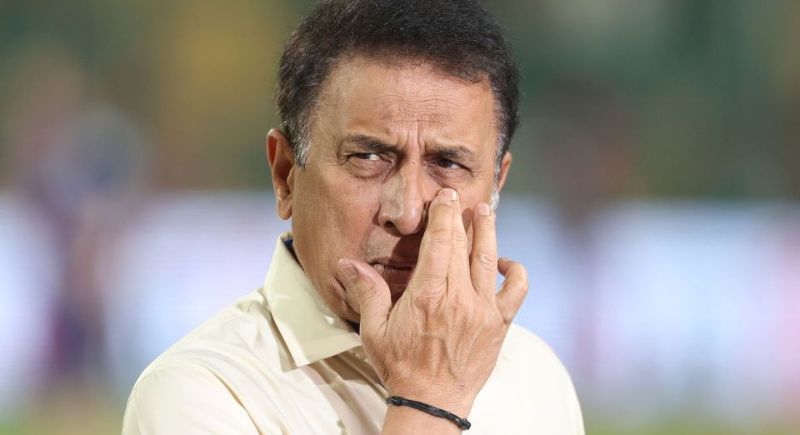
The former India captain raises concerns over player availability and weakened domestic competition standards as the new season begins.
The Ranji Trophy 2026-27 commenced on Sunday, October 11, 2026, with 38 teams competing across 19 first-round matches. The domestic season's opening coincided with India A's final-day match against Australia A, creating a scheduling overlap that has drawn scrutiny from cricket observers. Several prominent players, including Rajat Patidar, Devdutt Padikkal and Ruturaj Gaikwad, were unavailable for their state teams during this period owing to their India A commitments.
India A is scheduled to tour New Zealand later in October 2026 for three unofficial Tests, further extending the clash with the Ranji Trophy calendar. Former India captain Sunil Gavaskar has raised concerns about the BCCI's decision to schedule these commitments simultaneously with the domestic competition.
"The standard in the Elite division has levelled to a great extent as can be seen by teams who were not very competitive earlier, now going on to win the Ranji Trophy. That's most encouraging though with the India international players hardly playing in the domestic competitions, it's difficult to know how good some of the individual players are," Gavaskar wrote in his column in Mid-Day.
"This is noticeable when some of the leading run makers and wicket takers in the Ranji Trophy are picked to play for India. They struggle to find their feet, and some fade away quickly, while some still stay on the fringes but are not quite able to crack it," he added.
Gavaskar acknowledged that India A matches serve an important purpose in identifying international talent, yet he expressed reservations about their timing. The former captain argued that scheduling these fixtures during the Ranji Trophy season undermines the value of domestic records and weakens the overall competitive environment.
"There really is no easy solution, and the 'A' team matches certainly help in telling who is more likely to succeed internationally and who will remain a top Ranji performer. There's a case for more A team matches, but not when the domestic competitions, especially the Ranji Trophy, are on. For then it won't be a surprise with weakened competition, a batter may reach 2000 runs and a bowler 100 wickets in a Ranji season," Gavaskar said.
Structural issues with domestic competition expansion
Gavaskar traced the decline in competition standards to the Lodha panel's recommendation that all states and union territories be included in the Ranji Trophy. He contended that this expansion diluted the quality of play across divisions, particularly in the Plate Division where new records are being set.
Also Read: West Indies script history despite 14-run defeat to India in 3rd T20I
"Even in the Ranji Trophy, in the Plate Division, there are records being broken and new marks set at both batting and bowling. When the Lodha panel recommended that all states and Union Territories should be included in the Ranji Trophy, it just meant that the standard got lowered," the former India captain said.
"Most of the new state teams did not even have proper infrastructure and so hired players from other states who couldn't find a place in their home state teams. These players were good but unable to break through into their home state teams, and so went to the state teams in the Plate Division. When most, if not all, played against teams from the Elite division, they were found wanting, and it just exposed the yawning gap in the standard between the divisions. Yet the records set are still called records because they are playing in the Ranji Trophy," Gavaskar said.