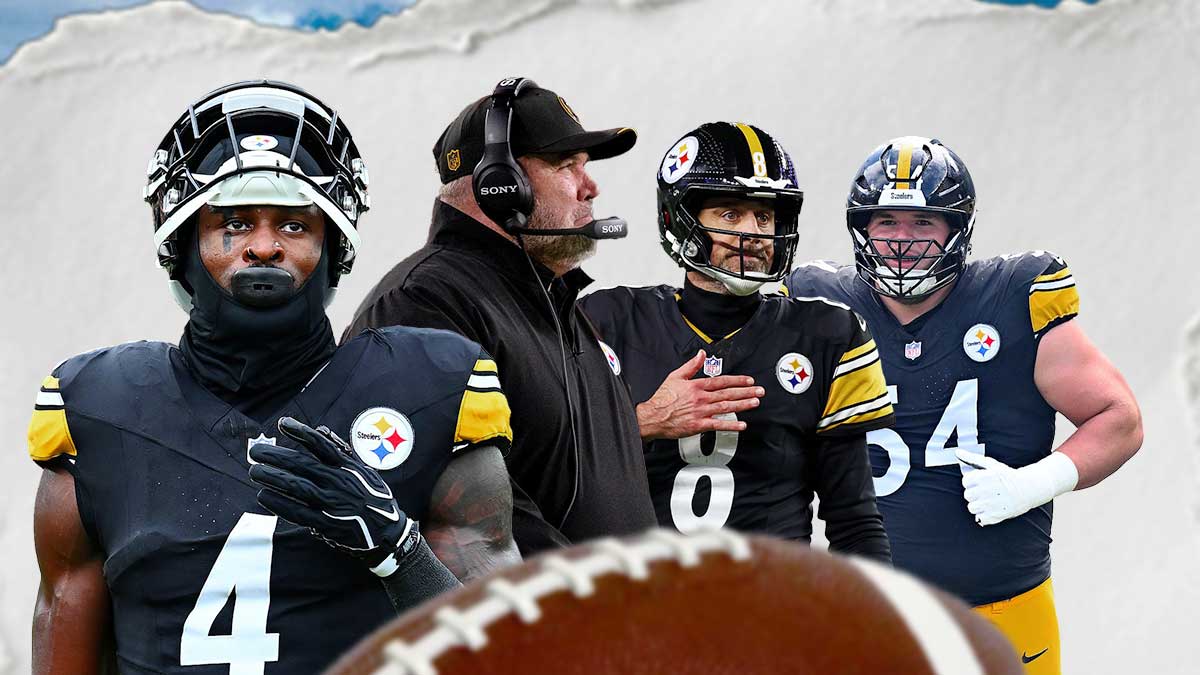
The Pittsburgh Steelers had every opportunity to notch a crucial win against the Philadelphia Eagles and strengthen their grip on the playoff race. Instead, they walked away with another frustrating defeat, 19-16. Pittsburgh controlled possession, avoided turnovers, and kept the game within reach until the final minutes. And yet, its inability to capitalize on scoring opportunities and discipline lapses ultimately proved fatal. Now, they see their postseason margin getting thinner by the week. This was a missed opportunity that Pittsburgh simply could not afford. Unfortunately, several familiar faces deserve scrutiny for allowing it to happen.
DK Metcalf
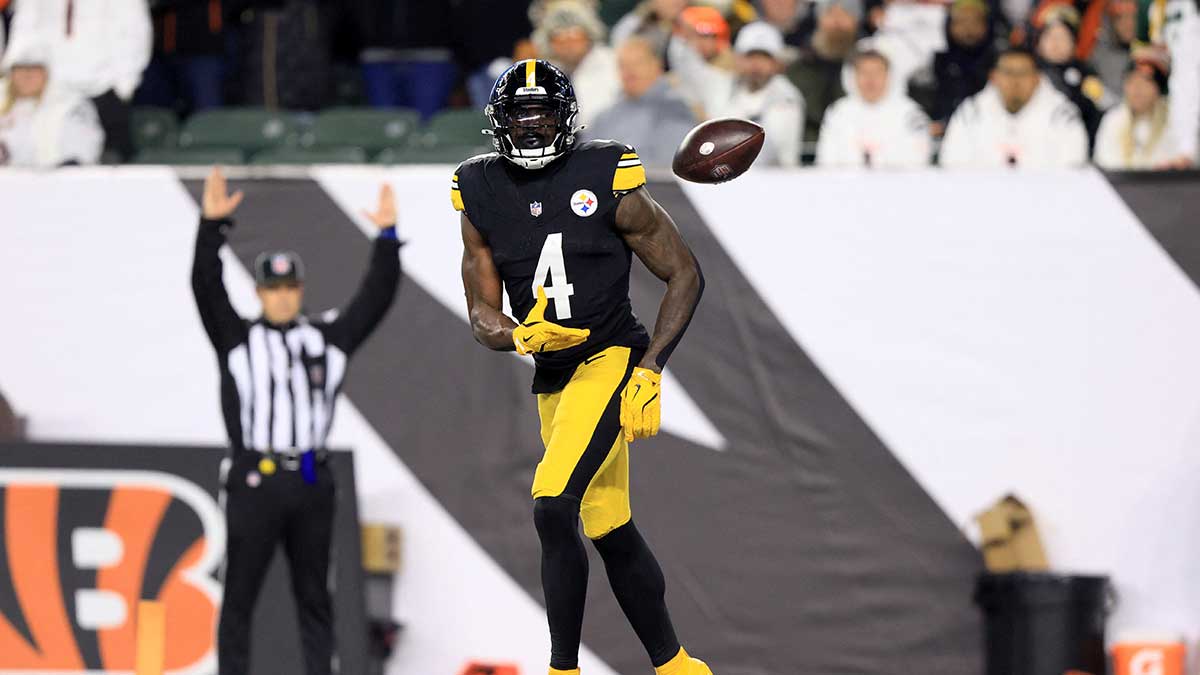
DK Metcalf was supposed to be the difference-maker in Pittsburgh's passing game. Instead, he became one of the biggest reasons the Steelers struggled to keep pace with Philadelphia. Metcalf finished with just one reception for two yards on four targets. That's an astonishingly quiet performance from a receiver expected to command attention from opposing defenses.
His afternoon went from disappointing to disastrous in the third quarter. That's when he became embroiled in a confrontation with Eagles cornerback Cooper DeJean. After already drawing an unnecessary roughness penalty earlier, Metcalf grabbed at DeJean's helmet following a third-down stop. He earned another personal foul and an immediate disqualification. The penalty pushed Pittsburgh into a difficult 52-yard field-goal attempt. More importantly, it deprived Aaron Rodgers of his most dangerous outside target for the entire fourth quarter.
Metcalf's frustration was understandable given Pittsburgh's offensive struggles. Still, losing his cool only made matters worse. The Steelers were already struggling to generate separation and create explosive plays. Removing their premier boundary receiver from the equation was practically self-sabotage. In a game decided by three points, Metcalf's lack of discipline was simply unacceptable.
Mike McCarthy
Mike McCarthy also deserves significant blame for an offense that looked increasingly predictable. The Steelers managed just 255 total yards. They averaged a dreadful 3.7 yards per play and converted only five of 17 third-down opportunities. Those numbers point directly to an offensive game plan that consistently failed to put Pittsburgh in favorable situations.
McCarthy's questionable decision-making began immediately. On the opening possession, he elected to go for it on fourth-and-one from Pittsburgh's own 40-yard line. Jaylen Warren was stuffed short of the marker. That handed Philadelphia excellent field position and allowed the Eagles to establish early momentum. Taking that kind of risk with an offense struggling to find consistency was difficult to justify.
The problems continued throughout the afternoon. Pittsburgh lacked creativity and repeatedly struggled to move the chains on third down. Even after recovering a fumble, the Steelers failed to turn the opportunity into a touchdown. Going zero-for-two inside the 20-yard line ultimately proved costly. That's especially true in a game where points were at a premium.
McCarthy acknowledged afterward that the offense needed to reassess its approach. That admission is telling. Pittsburgh desperately needs a more imaginative, aggressive, and situationally aware offensive identity.
Aaron Rodgers and the offensive line
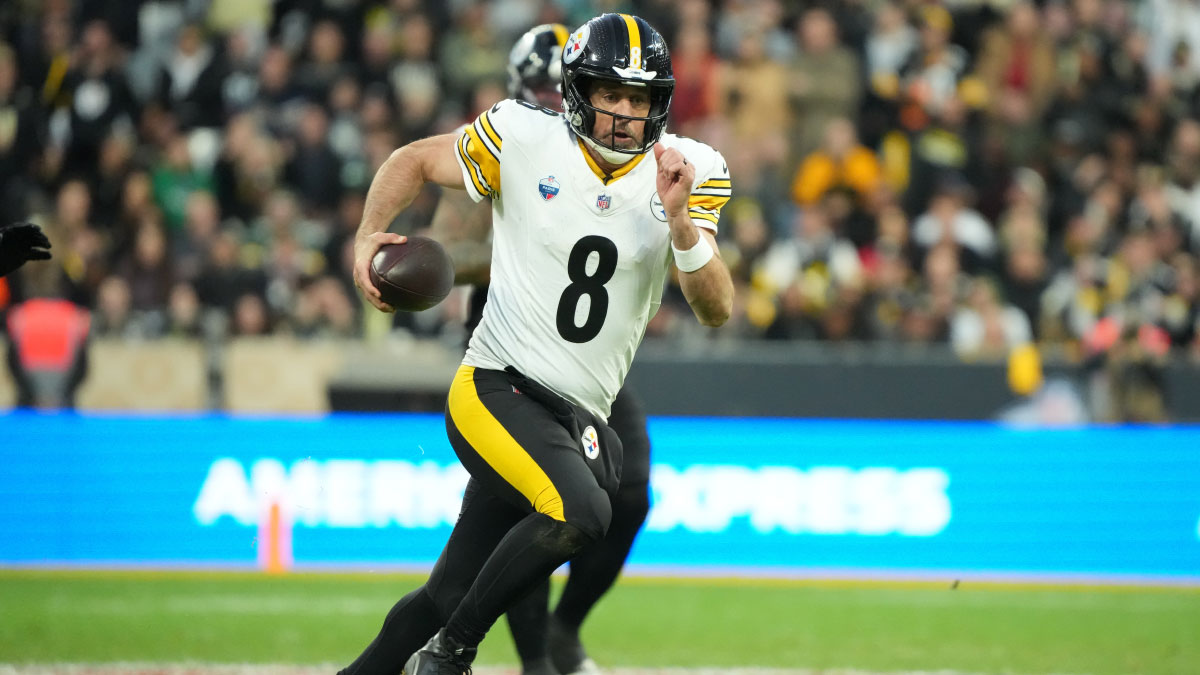
Aaron Rodgers and Pittsburgh's injury-depleted offensive line share responsibility for an anemic offense. Without starting guard Mason McCormick, the Steelers' protection struggled to hold up. They surrendered five sacks while failing to create meaningful running lanes. Warren and Rico Dowdle combined for just 43 rushing yards. That left Rodgers with little support to keep Philadelphia's defense honest.
Rodgers completed 17 of 20 passes in the first half. However, those completions yielded just 95 yards. That efficiency was misleading. Pittsburgh moved the ball sideways, leaned heavily on short throws, and rarely threatened the Eagles vertically. Rodgers finished with 227 passing yards on 30-of-44 attempts. The numbers, though, barely capture how difficult it was for Pittsburgh to sustain meaningful drives.
Max Hurleman provided a late spark. He caught six passes for 61 yards and a 20-yard touchdown that brought the Steelers within three. However, that late surge only highlighted how long the offense had waited to become aggressive. Rodgers finally pushed the ball downfield when the urgency became unavoidable. Sadly, the comeback effort arrived too late.
Philadelphia ultimately sealed the game when Milton connected with DeVonta Smith on a crucial third-down pass with just over a minute remaining.
Looking ahead
The Steelers cannot afford to keep wasting games like this. They controlled the clock for more than 35 minutes and played turnover-free football. Still, they lost because they couldn't finish drives or consistently generate offense. Metcalf's meltdown, McCarthy's decisions, and Rodgers' painfully conservative approach combined to produce another damaging result. Pittsburgh's playoff hopes are still alive. That said, the margin for error is shrinking fast. If these problems persist, the Steelers may soon have nothing left to play for but pride.