
The biggest problem with the so-called “Protect College Sports Act” is that it does nothing to protect college football players.
It artificially limits their earning potential. It restricts their ability to leave one team for a better opportunity with a different one. Basically, it prevents players from behaving like coaches.
So if the Protect College Sports Act is going to limit the operation of the free market as it comes to players, why shouldn’t it do the same thing as to coaches?
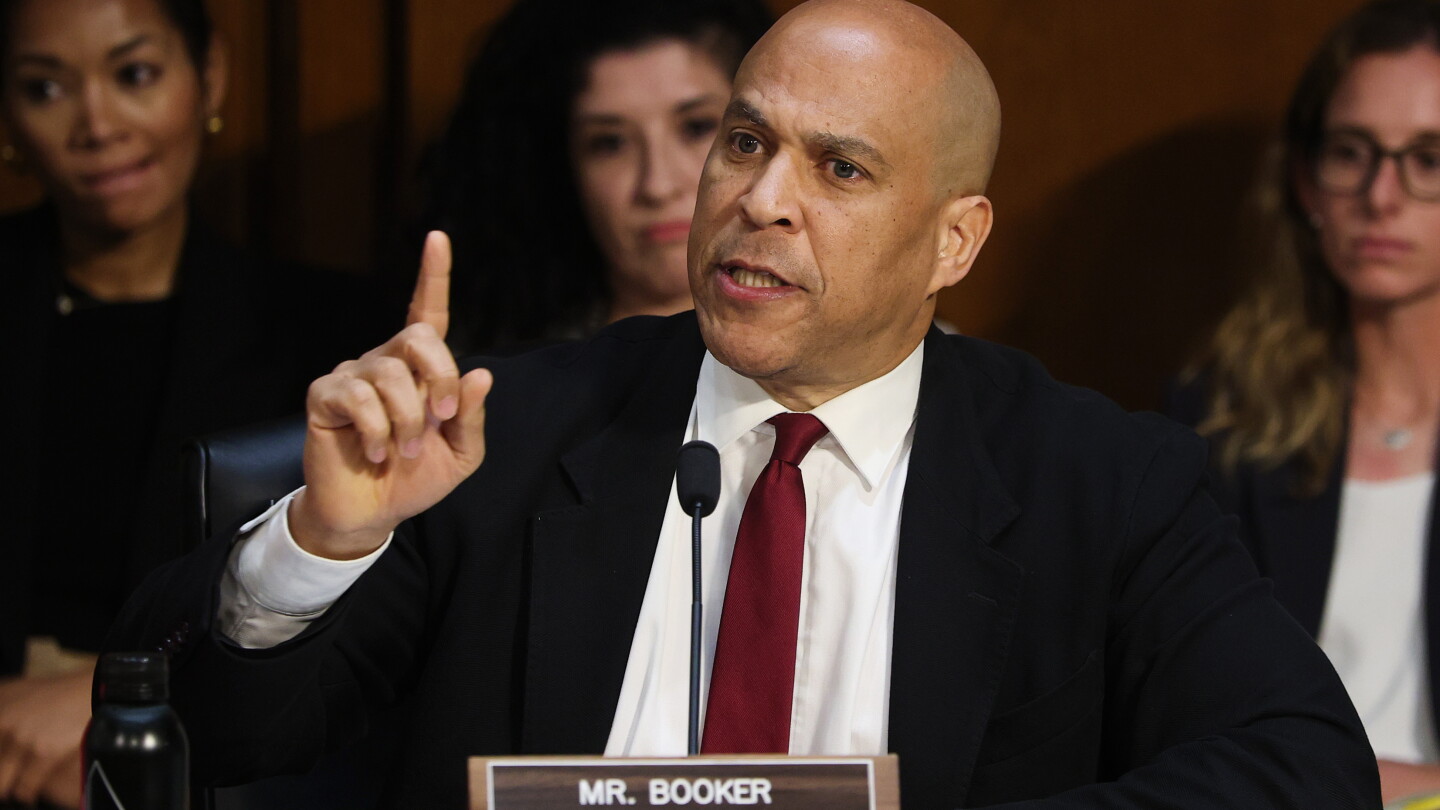
To that point, Senator Cory Booker (D-NJ) and Senator Chris Murphy (D-Conn.) have proposed an amendment to the bill. Via Ross Dellenger, they want the Protect College Sports Act to cap coaching salaries at $5 million per year.
It’s a perfect good-for-the-goose-good-for-the-gander suggestion. For years, the system has thrived despite coaches hopscotching around the country, grabbing the biggest bag and leaving their former team in the dust. So why is it a problem that the antitrust violations that held players down have yielded to a world in which the players can take full advantage of a capitalist approach to the sport they play?
As Dellenger notes, more than 35 amendments have been proposed. Hopefully, that creates enough chaos to kill the effort to remove the trumped-up “chaos” from college sports.
And even if the bill makes its way out of the Senate, the House has shut down through the midterm elections. Why would the House pass the bill during a lame-duck portion of the session?
However it goes, more people need to wake up to what some are trying to do. There’s only so much money that can be squeezed from the boosters. The programs are now competing with the NIL funds. The programs don’t like that. By capping what players can make and minimizing the possibility that they’ll defect to another team that may better serve their overall objectives, the schools remove the “chaos” — which is code for “inconvenience.”
It was easier for the schools when the players don’t have this much power. The schools want to reduce it. All under the guise of curing an existential threat that doesn’t exist.
But if it does, it’s only fair to limit the coaches to $5 million per year.