
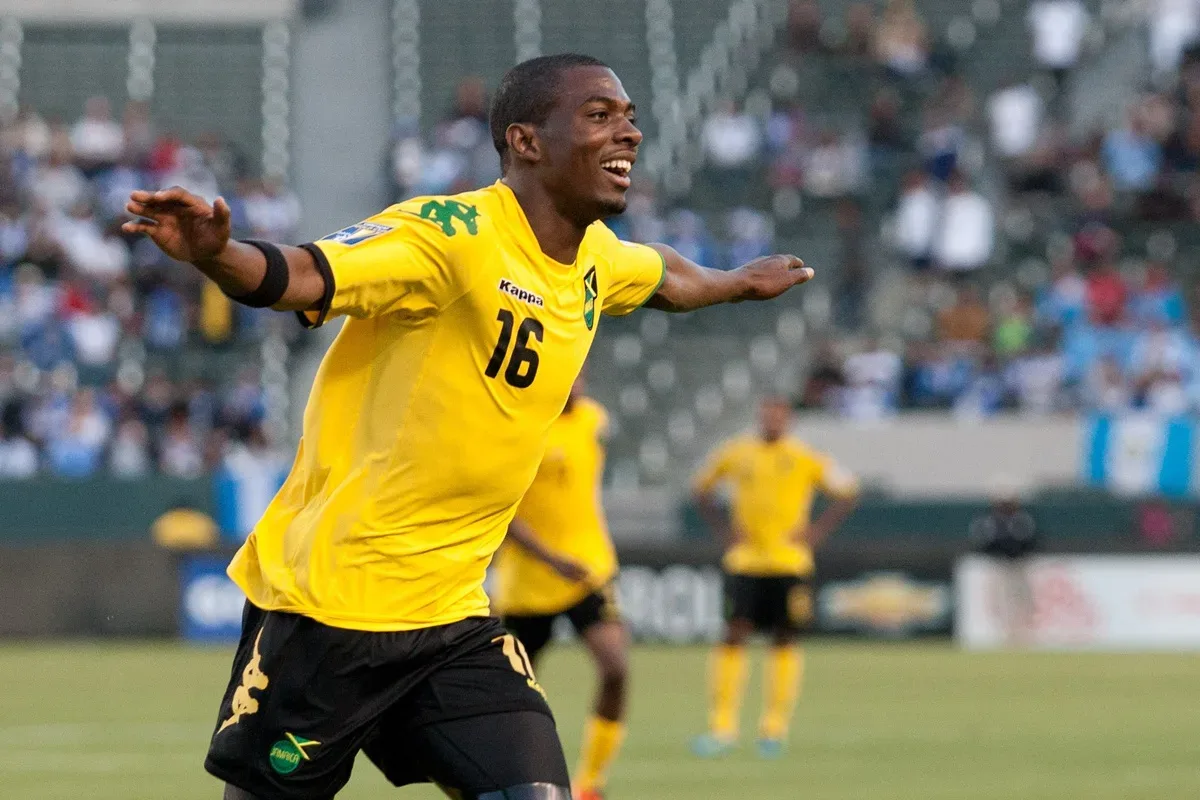
A squad coming apart at the seams
On Monday night in Kingston, the National Stadium emptied quietly. Honduras had won 1–0, ending a nine-match run without a victory over Jamaica that stretched back thirteen years. Worse, they had done it with ten men.
Rudolph Speid sat in the press room and did not hide behind excuses. His team had looked heavy-legged. Many of the same players had started against Guatemala on Friday and again against Honduras three days later, and it showed. The coach admitted the defeat was a serious setback. Jamaica, he said, would now have to win every remaining game to reach the Nations League quarter-finals.
Then the bad news kept coming. Renaldo Cephas, the hero of Friday’s stoppage-time winner against Guatemala, limped off ten minutes into the Honduras match. Rumarn Burrell, who had scored a stunning goal against Guatemala, was ruled out and sent back to England for treatment. Before the squad boarded the plane for San Salvador, five players were gone: Kasey Palmer, Isaac Hayden, Burrell, Cephas and Tayvon Gray, all withdrawn through injury or other reasons.
For an interim coach, it was the kind of week that can end a candidacy. The Jamaica Football Federation had made clear it planned to name a permanent head coach at the start of 2027. Speid was one of the applicants. Every result was now part of a job interview conducted in public and the critics were sharpening their pens.
The rotation gamble
Speid’s answer was not panic. It was planning. He had already said what he intended to do: Jamaica had a big squad and players with fresher legs would get their chance. He called in reinforcements from home and abroad: Kyle Ming of Mount Pleasant, Ramone Howell of Portmore United, Jamone Lyle of Waterhouse, Tajay Grant of Racing United and Toronto FC’s Jahmarie Nolan. Several of them knew the Jamaica Premier League intimately, the same league where Speid had built his reputation.
The venue made the gamble bigger. Estadio Cuscatlán in San Salvador is one of the loudest, most hostile grounds in Concacaf. Tired teams get swallowed there. Speid reshuffled his lineup anyway, trusting fresh energy over familiar names.
The match started at a furious pace, with chances at both ends. Then, in the 20th minute, El Salvador’s Rudy Clavel lunged late at Javon East and saw a straight red card. The home side was down to ten men, and Jamaica had to prove it could make an advantage count, something it had failed to do against ten-man Honduras four days earlier.
This time it did. In the 39th minute, Miguel Freckleton sent a ball into the box and East pounced, poking home from close range. After the break, Jamaica kept control. Just past the hour mark, substitute Nolan won the ball inside the area and laid it to East, who smashed a first-time finish into the roof of the net. It was 2–0.
At the other end, the back line held firm. No late collapse, no nervy finish. A clean sheet, on the road, in one of the region’s toughest stadiums, with a patched-together squad. The victory lifted Jamaica to second in Group B with six points, one behind leaders Suriname, with a final group game against Honduras in Tegucigalpa still to come.
The kids who answered the call
The scoreline belonged to East, but the story of the night belonged just as much to the young players Speid trusted. Miguel Freckleton was the clearest example. The 23-year-old, England-born centre-back had been the only uncapped player in the original 24-man squad. Speid’s staff had scouted him the year before, decided he was not quite ready and kept watching. Over the summer, he moved from St Mirren in Scotland to Austrian champions LASK, where he had already tasted the Champions League. He made his senior debut off the bench against Honduras and was one of the few bright spots that night. In San Salvador, the defender delivered the assist for the opening goal.
Jahmarie Nolan’s story was even quicker. He was not in the original squad at all. Called up after the withdrawals, the Toronto FC player came on in the second half and, within minutes, created the goal that sealed the match. It was exactly the kind of contribution a coach dreams of when he gambles on a late replacement. Around them, Kaheim Dixon continued to grow into a creative leader, carrying much of the attacking load after Cephas went down against Honduras and celebrating alongside East in San Salvador.
None of this was accidental. Before the window, Speid had made clear that this squad was being built not only for the Nations League but with the 2030 World Cup cycle already in view. Last night, that long-term thinking produced a short-term result.
The blueprint comes home
To understand why Speid trusts young players, you have to go back to Cavalier FC. At Cavalier, he built teams that were hungry, organised and unafraid. The results were remarkable: Jamaica Premier League titles in 2021, then back-to-back crowns in 2024 and 2025, along with the 2024 Concacaf Caribbean Cup, a regional trophy that put a Jamaican club on the map. His Cavalier sides were known for giving young players real minutes rather than polite cameos and for turning that trust into silverware.
That is the blueprint he has carried into the national team: scout carefully, give young players a defined role and back them when the moment is big. Freckleton and Nolan in San Salvador were the national-team version of what Speid had done in Kingston for years.
The résumé takes shape
Speid’s path to this point has not been smooth. He took over in December 2025 after Steve McClaren resigned, and he came within one match of the World Cup, beating New Caledonia before a painful 1–0 loss to DR Congo in the intercontinental playoff final in Mexico. The JFF kept turning back to him: through the playoffs, through the Unity Cup in England in May and again for this autumn’s Nations League.
The numbers now tell a respectable story. Before this window, his record included wins over Grenada, Martinique, New Caledonia and India, a draw with South Africa and defeats to DR Congo and Nigeria. Add Guatemala, Honduras and El Salvador and he has six wins in ten matches.
More important than the record is the response. After the Honduras loss, the doubters asked whether a domestic coach could handle the pressure of the international game. Speid answered with a rebuilt lineup, a road win and a clean sheet. JFF president Michael Ricketts had once called him the best football mind in the country. Last night looked like evidence. The federation’s decision is still months away and Monday’s trip to Tegucigalpa could reshape everything again. But for now, the man keeping the seat warm looks increasingly like the man who should keep it.

World In Sport Forum
Continue the discussion
Join other fans in the World In Sport Forum and debate the biggest talking points from this article.