
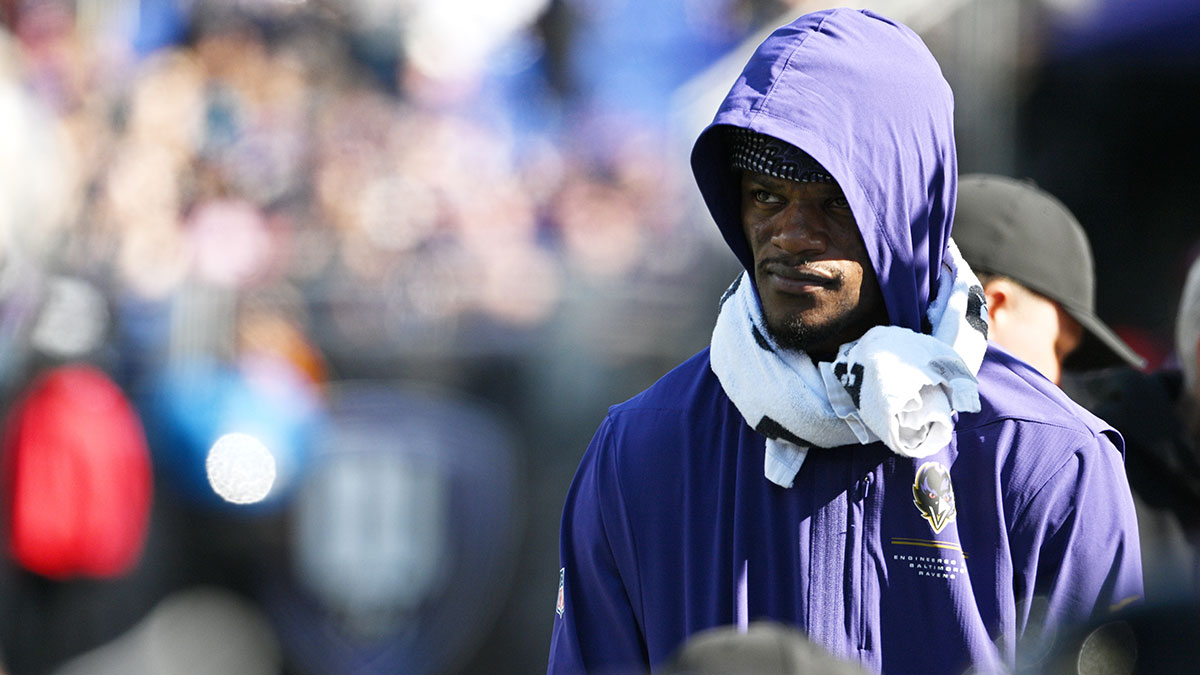
The Baltimore Ravens made one of the final moves before the 2026 NFL trade deadline by acquiring center Ryan Neuzil from the Atlanta Falcons. In exchange, the Ravens sent guard Andrew Vorhees and a conditional sixth-round pick in 2028 to Atlanta. This transaction was reported shortly after the deadline passed on Tuesday at 4 p.m. ET, giving general manager Eric DeCosta another experienced offensive lineman.
Earlier in October, Baltimore had also traded for Cam Jurgens from Philadelphia, giving up a second-round selection in 2028 and a fifth-round pick in 2027, while receiving a seventh-round pick in 2027 in return. Neuzil’s addition provides added flexibility for an offensive line that has faced challenges due to injuries. However, this move has raised some questions about the team’s priorities.
The Ravens have lost four consecutive games, and Lamar Jackson's season is in jeopardy as the team sits at 4-5. Many view their biggest mistake leading up to the deadline as the decision to continue investing future assets in a playoff run that appears increasingly uncertain, rather than acknowledging the need to secure their long-term flexibility.
Ravens should have reconsidered their approach after Lamar Jackson's injury
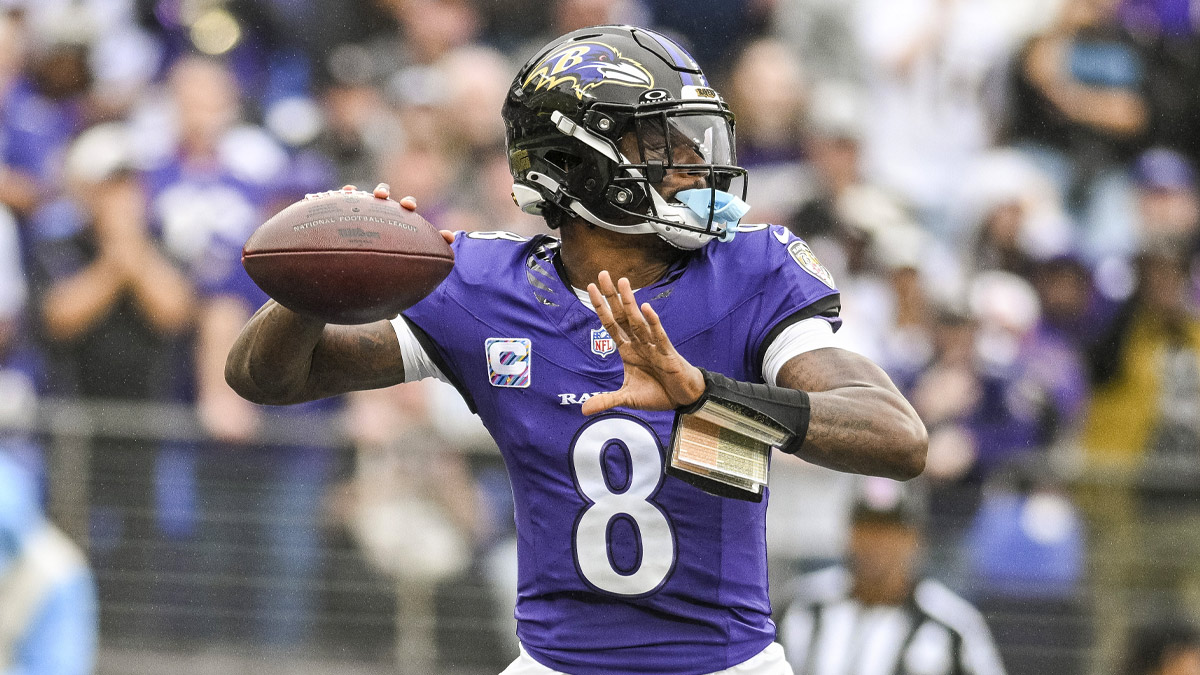
Baltimore entered the season with expectations of competing for a championship. These expectations seemed reasonable given the talent surrounding quarterback Lamar Jackson, which included running back Derrick Henry and a passing attack featuring Zay Flowers, Rashod Bateman, and Mark Andrews, but the situation has changed significantly. Jackson suffered a right thumb injury during the opening offensive play against Buffalo in Week 8, which required surgery and led to his placement on injured reserve, forcing him to miss at least four games.
Backup quarterback Tyler Huntley also ended up on injured reserve due to a toe injury that is expected to end his season, and it has created an unusually challenging situation at the quarterback position for the Ravens. The team turned to undrafted rookie Joe Fagnano for his first NFL start against Jacksonville, but the results highlighted how quickly their offensive expectations had declined. Fagnano completed 10 of 18 passes for just 60 yards and two interceptions in a 33-10 defeat. Baltimore managed only 227 total yards and struggled to sustain drives, despite having a competitive rushing attack.
In response, General Manager Eric DeCosta acquired veteran quarterback Jacoby Brissett from Arizona, giving head coach Jesse Minter a more experienced option while Jackson recovers. This move was understandable, as the Ravens needed someone capable of running a professional offense, and relying entirely on inexperienced quarterbacks would have created further problems.
The concern now revolves around how much the Ravens have committed to preserving their immediate competitiveness. Brissett came with a 2027 fifth-round pick, while Baltimore gave up a 2027 fourth-round pick and a 2028 seventh-round selection. Combined with the earlier acquisition of lineman Jurgens, these trades have reduced the franchise's future draft flexibility at a time when its postseason prospects appear increasingly uncertain. Adding another offensive lineman before the deadline continued this approach but did not resolve the team's most significant issue.
Baltimore invested heavily in a position it had already addressed
Neuzil is a capable player who has established himself as a dependable center during his time with Atlanta. He started every game for the Falcons last season and maintained his starting position throughout the early part of 2026. This experience makes him a valuable addition to an offensive line that has faced ongoing adjustments. His arrival also brings familiarity with offensive line coach Dwayne Ledford, who previously worked with him in Atlanta. Therefore, Baltimore's interest in Neuzil makes sense from a personnel perspective.
The more difficult question is whether the organization truly needed another center after investing significantly more resources in Jurgens. The former Eagles Pro Bowler was acquired specifically to become a long-term solution at the position. He has already taken on starting responsibilities, and his recent performance against Jacksonville indicated that the transition could yield positive results.
While Neuzil could potentially shift to guard, his professional experience has predominantly been at center. This creates some uncertainty about how effectively Baltimore can utilize both players together. John Simpson and rookie Vega Ioane currently occupy the starting guard positions, with Emery Jones Jr. providing another developmental option. The Ravens could either move Jurgens back to guard, where he has previous NFL experience, or allow Neuzil to compete for a role elsewhere on the interior line. These options offer valuable flexibility, but neither guarantees substantial improvement.
Baltimore's offensive line has struggled with injuries throughout the season, including a significant knee injury suffered by Jovaughn Gwyn. Therefore, maintaining experienced depth is crucial, especially as the team seeks to protect their quarterback. The trade for Neuzil was relatively inexpensive, as the team surrendered Vorhees along with a late-round draft pick, which isn't a disastrous decision. However, the broader investment raises concerns.
The Ravens needed to prioritize the bigger picture
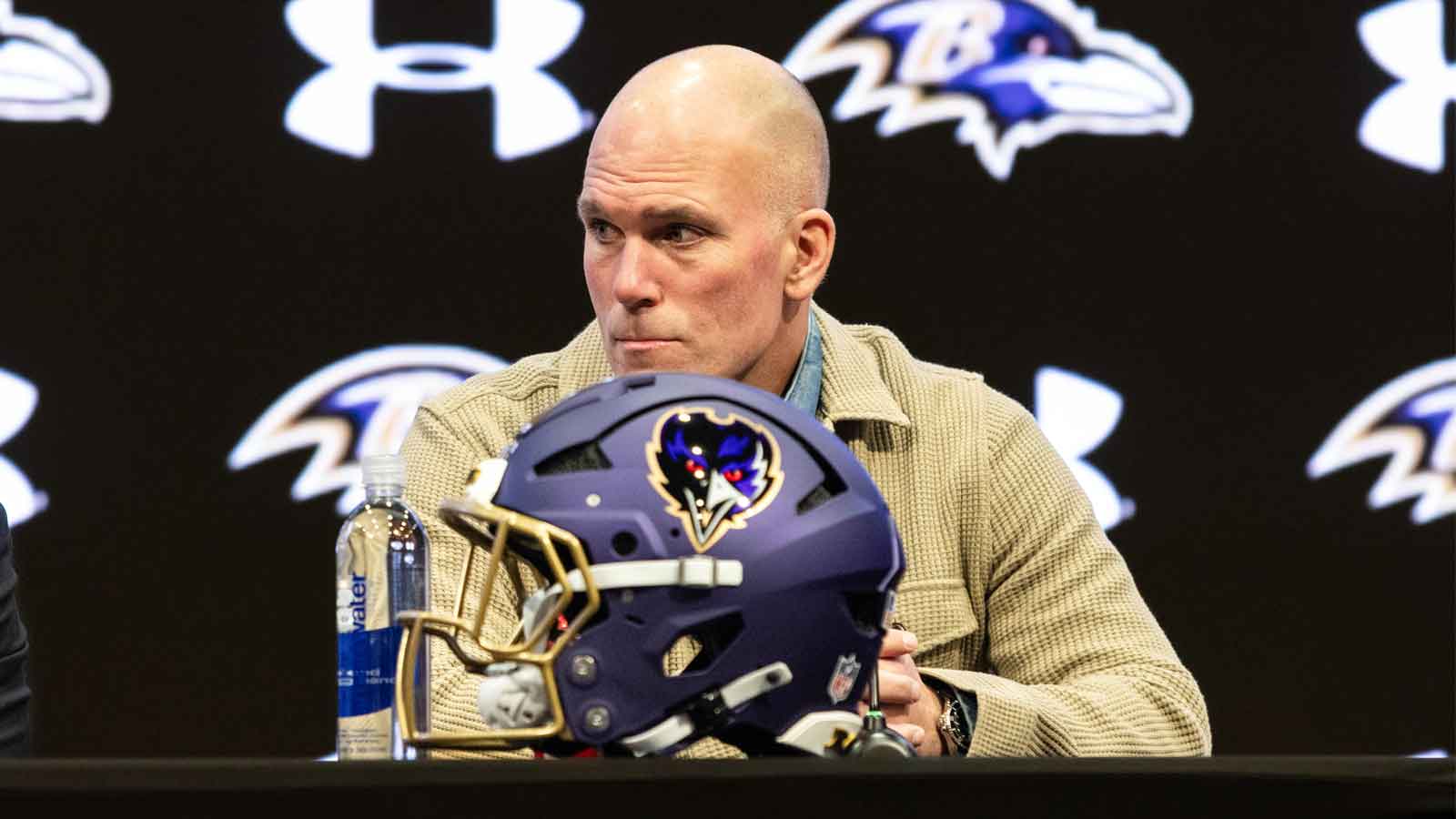
The Ravens have historically preferred to remain competitive rather than dismantle their roster during disappointing seasons. This philosophy has fostered organizational stability, and General Manager Eric DeCosta deserves credit for consistently trying to strengthen the team around its key players, but the current situation requires a more flexible approach. As Baltimore enters the second half of the season with a record below .500, it trails the AFC North's leading teams and faces uncertainty at the quarterback position.
This reality should have influenced the front office's strategy. Instead of continuing to acquire veterans to address immediate needs, the Ravens could have preserved their remaining draft capital and evaluated which current players are worthy of significant roles beyond 2026. The organization still has established offensive tackles in Ronnie Stanley and Roger Rosengarten, along with younger interior players who could benefit from additional playing time. Allowing these players to develop might not yield immediate results, but it would provide valuable insights for the offseason.
Baltimore also needs to consider the financial implications of its roster decisions. Adding experienced players typically leads to additional commitments, while draft selections offer a chance to develop affordable contributors around an expensive franchise quarterback. The Ravens cannot tackle every problem with another transaction, especially when several weaknesses have contributed to their disappointing season.
The arrival of new center Jacoby Brissett does not preclude Baltimore from making future improvements, and the limited compensation involved makes the individual deal justifiable. Still, the organization has spent much of the season trying to fix problems through acquisitions without determining whether those investments will significantly change its immediate competitive outlook. A more disciplined approach would have focused on retaining premium draft picks and preparing for a healthier roster in 2027.