
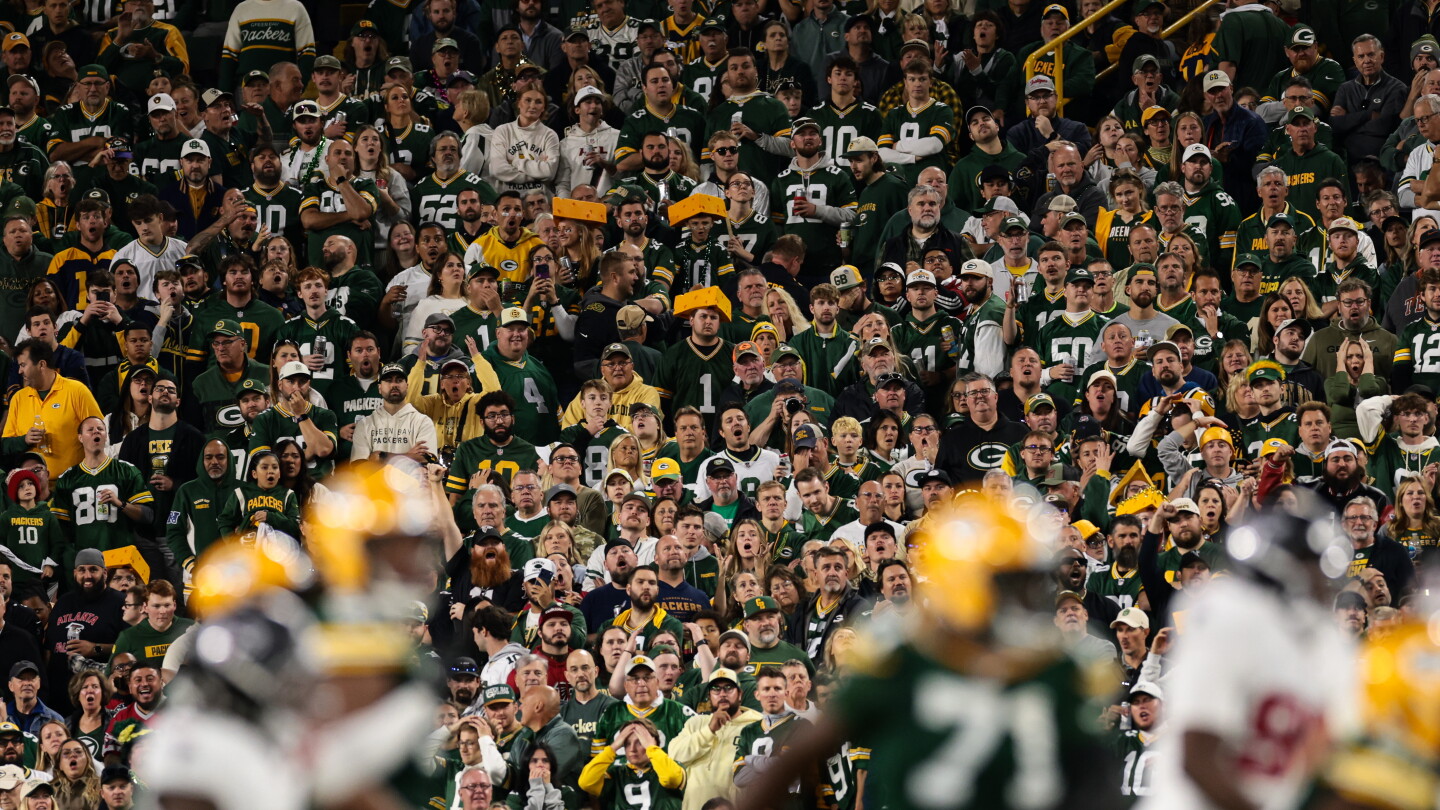
While plenty of sports fans mistakenly believe that the purchase of a ticket to a game provides a license to engage in a wide range of antisocial behaviors, the customers of a given home team always have the prerogative to express displeasure with the performances they’re witnessing.
In Green Bay, where many of the fans have also bought shares in the team, the ability to complain about the asset they own includes an absolute right to boo.
It’s one of the basic realities of using stock that isn’t really stock as a way to raise money. The “owners” get nothing other than a certificate that can be framed and displayed in the place where they watch games on TV. There’s no ability to resell it for a profit. They receive no dividends. They have little, if any, actual power to determine the direction of the business.
But they can provide direct feedback with their voices.
Tight end Tucker Kraft doesn’t see it that way. Receiver Christian Watson does. On this point, Watson is right.
Especially in Green Bay. When a Packers fan who has bought one or more shares says “we,” the fan can mean it literally. The fan owns a small piece of the company that is, or isn’t, living up to ownership’s expectations.
It’s jarring to hear the boo birds at Lambeau because, for more than 30 years, they’ve had not many reasons to boo. Although the franchise arguably should have won more than two Super Bowls in the past 30 years, they contend almost every year. After 13 straight victories in home openers, last night’s game provided a clear indication that this could be a long year — one that won’t come with the reward of a premium rookie, thanks to the Micah Parsons trade.
Lions fans have gotten spoiled by the success of recent years. For Packers fans, three decades of solid play have created the expectation that it will continue indefinitely. Most fans have forgotten the lost years between Lombardi and Holmgren, when the Packers were the punching bags in the NFC Central.
The way this year is going so far, they could be also-rans again, if only for a season. And the fans/owners should make their feelings known.
When they don’t get all that much in exchange for the stock they’ve bought, the power to provide real-time feedback when the product isn’t acceptable is one right they should be willing to exercise, whenever they see fit.