
TORONTO -- Finally, it’s time to ask what comes next.
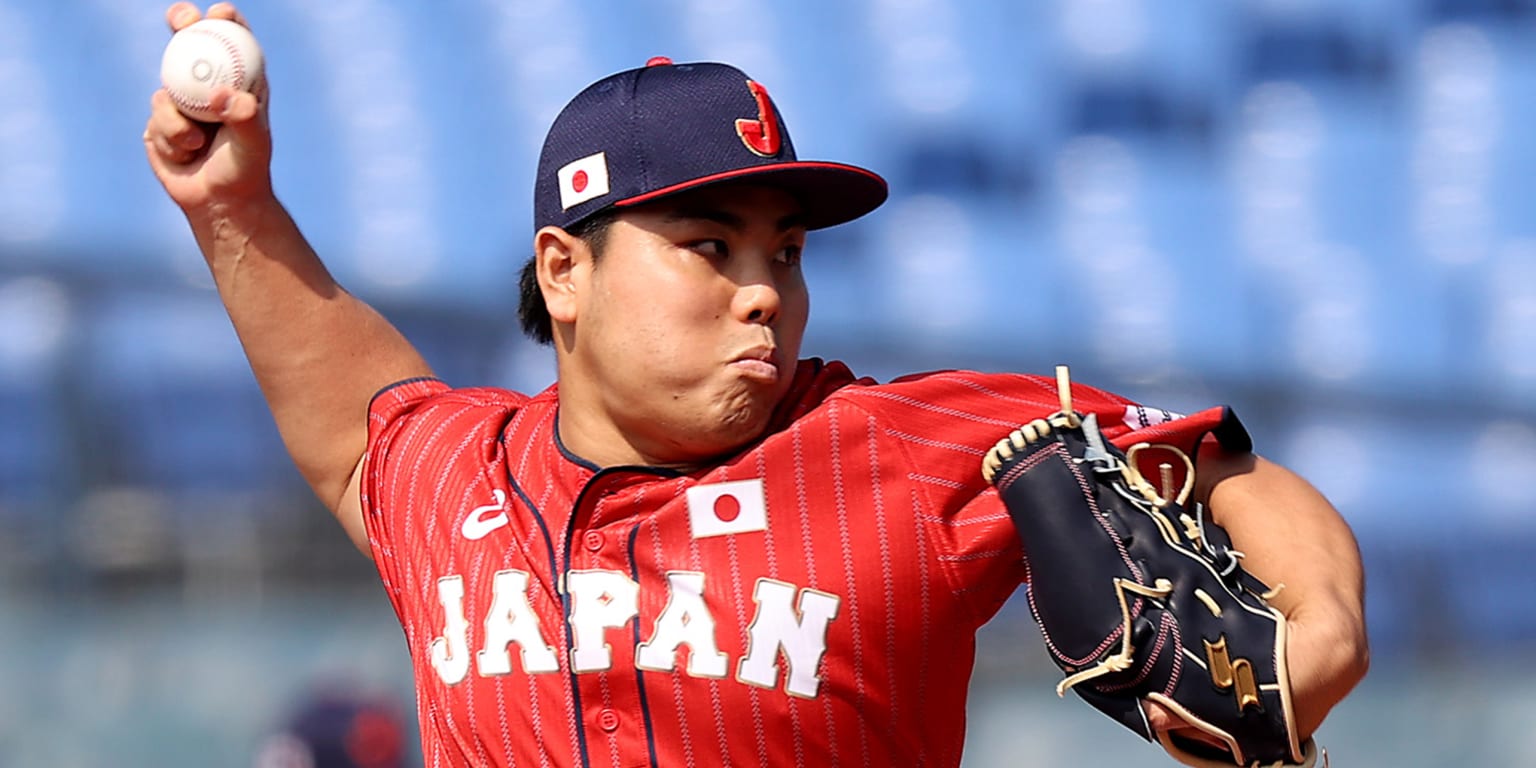
The Blue Jays officially launched their offseason retool Tuesday by agreeing to a five-year, $80 million deal with Japanese righty Kaima Taira, who immediately becomes the most interesting player on this roster, but that’s just the beginning.
A 79-83 season with the worst offense in Major League Baseball doesn’t call for a quick fix. It calls for an overhaul, including multiple upgrades to the Blue Jays’ lineup. Taira’s addition gives this rotation a chance to be truly elite, but in the days and months ahead, the Blue Jays still have some work to do.
This is where it stands 24 hours after the agreement with Taira:
In the lineup: It’s time to be bold
With each passing day, Seiya Suzuki looks like a better fit for this organization. Sometimes, we don’t need to overcomplicate the offseason.
Suzuki made sense one month ago, he made sense yesterday and he makes sense today. It’s arguably the cleanest fit since the Blue Jays lined up with George Springer six years ago, and frankly, the contract could end up looking awfully similar (just ideally not stretching to a sixth season).
Desperately needing power and with a clear opening for a corner outfielder, the Blue Jays line up so naturally here and Suzuki only costs money. The trade market will also offer plenty of opportunities -- and that landscape could change depending on the next CBA -- but in Suzuki, the Blue Jays have an opportunity to significantly upgrade their offense without skimming more off their farm system, which has shown serious improvements.
Suzuki’s five seasons with the Cubs have been remarkably consistent since he came over from Japan, where he starred for the Hiroshima Carp. He’s a career .269 hitter with a .351 on-base percentage and .823 OPS, capable of hitting 25-plus home runs each season. You can almost think of this as a midway point between Springer’s ‘25 and ‘26 seasons, and project Suzuki to hit anywhere from second to fourth in the lineup.
Jazz Chisholm Jr. certainly qualifies as “bold,” too. The money will surely come in south of Suzuki’s deal, but if you’re chasing offensive upside and baserunning potential like the Blue Jays are, a lot of big red arrows point toward Chisholm. Ernie Clement could still run for prime minister tomorrow, so any move at second base would immediately raise eyebrows, but Clement’s great athleticism would still allow for him to be a regular in the lineup.
That’s when this conversation approaches a cliff, though. Hitters like Suzuki, Chisholm, Randy Arozarena and Brandon Lowe will represent clear offensive upgrades to just about any team they join. The tier of hitters below that, however, brings us to a point of diminishing returns. How much of an upgrade would a B-tier hitter really be over Clement or Nathan Lukes, for example, and is that shot at a marginal upgrade worth the cash? Gleyber Torres is a useful example here, a fine player who will find a role somewhere, but the potential for a “gain” doesn’t feel present in Toronto.
The Blue Jays need to chase upside and ceiling here, as they did with Taira in the rotation. If they can’t find that in this current tier of hitters, a pivot to the trade market -- and perhaps a little patience -- will be required.
In the rotation: The Blue Jays can be patient now
It feels like the rotation has been settled … but it also felt excessive when Toronto had eight MLB-caliber starters midway through camp last season, and look at how that played out.
Considering that Taira pitched once a week in Japan, he’ll require some workload management, particularly early in the season. The Blue Jays could manage this with a swingman -- hello, Spencer Miles -- but they could also choose to open with a six-man rotation. That would leave the door open to the short-term market for veteran starters, including Kevin Gausman, Michael Soroka, Tyler Mahle, Foster Griffin, Shota Imanaga and others.
Regardless, each idea will demand a great deal from the Blue Jays’ bullpen, and make a couple of multi-inning relievers particularly valuable. Toronto is still fully involved in the bullpen market -- shopping at a higher tier than many expected going into the offseason -- but exactly how Taira is handled will be the No. 1 factor in all of this. Ideally, the Blue Jays have some extreme pitching flexibility by choice in 2027, not by necessity like they were forced to in ‘26.