
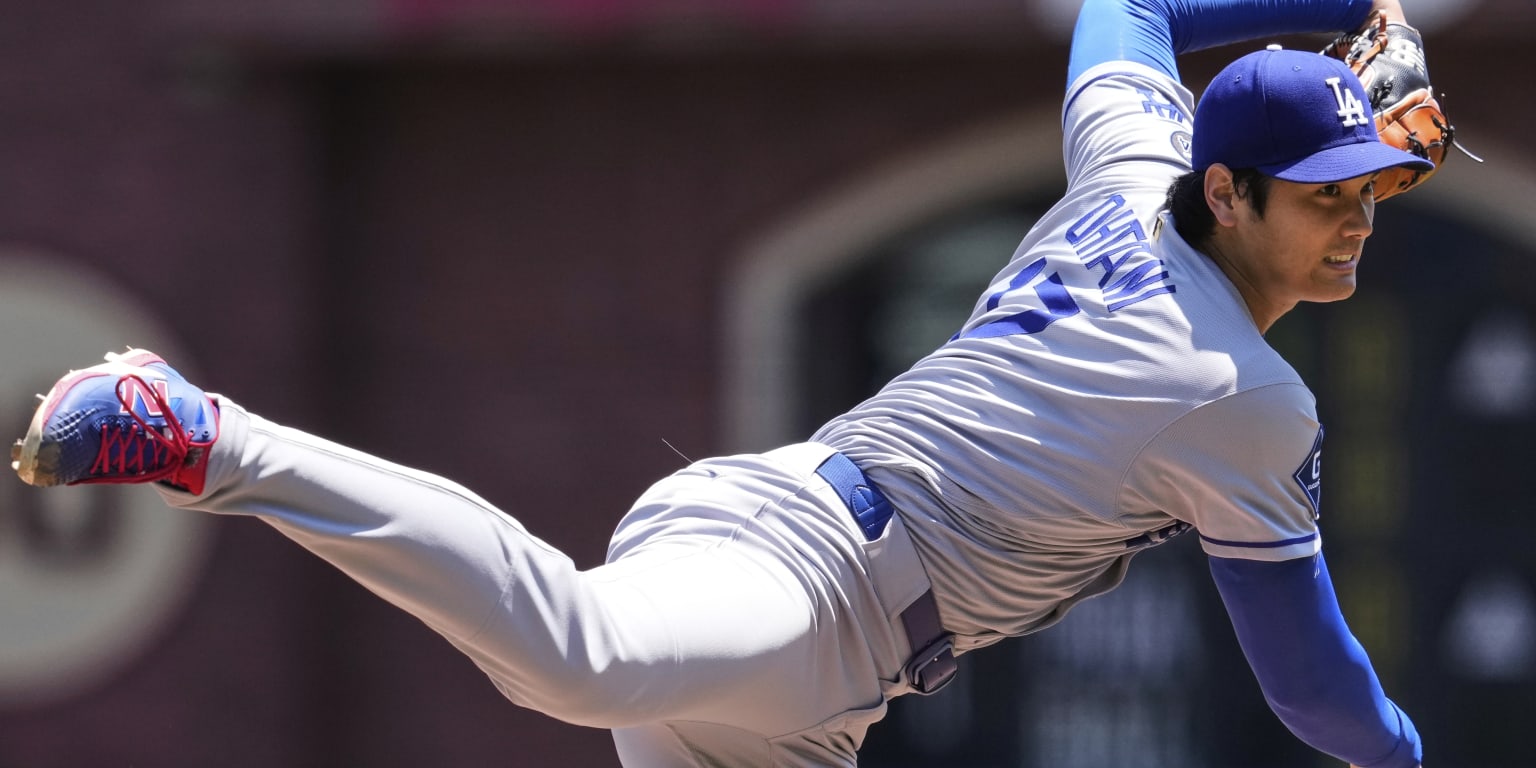
Even Shohei Ohtani's all-out swing could not save the Dodgers’ dream of a three-peat in 2026, which collapsed in a four-game sweep at the hands of the Brewers in the NLCS. After two straight World Series titles, the Dodgers and Ohtani ended their season in disappointment.
Speaking to Japanese media via Zoom on Wednesday, Ohtani admitted, "Of course I feel frustrated," carrying the weight of a player who knows what it takes to stand at the top.
Still, his gaze is fixed ahead. After the 2025 World Series, which stretched into November in the Dodgers' seven-game victory against the Blue Jays, followed by the World Baseball Classic-shortened offseason -- not to mention a 2024 World Series left shoulder subluxation that required rehab -- Ohtani has not had a full season as a two-way player since 2023.
When talking about this offseason, Ohtani was clear about his intent: "I want to make this a good period to make up for this year's frustration next year."
This early portion of 2026 looked like could it be Ohtani's best two-way campaign, as he opened the season in the Dodgers’ rotation and was dominant out of the gate. On the mound, he went 8-2 with a 1.79 ERA across 14 starts before left knee pain, right biceps soreness and other issues ended his pitching after July 3. At the plate, he hit .275 with 30 homers and 81 RBIs in 135 games, also visiting the injured list in September. He hit a three-run homer in NLCS Game 4, though Los Angeles lost 6-4.
"While I'm glad [my hitting] came out at the end, I still feel like it was a little too late," he said.
For next season's pitching plan, the 32-year-old Ohtani and president of baseball operations Andrew Friedman want him to be ready when it matters most.
"The real battle is in October, so whether I can get there in the right spot is the battle ahead," Ohtani said.
Nothing is set yet for his Opening Day ramp-up as he and the club weigh multiple options. The expiration of the Collective Bargaining Agreement between the players and the owners on Dec. 1 adds another variable. Hitters can ramp up early, whereas pitchers who throw too much during time away risk unneeded fatigue.
"First, I'll get myself to a point where I'm reasonably ready whenever things start," he said, keeping his foundation steady.
At the end-of-season media session in October, a reporter from an American outlet asked him whether he would continue as a two-way player next season, and he seemed genuinely surprised by the question. There were also follow-up questions suggesting that he should focus solely on hitting.
On Wednesday, when specifically asked why he remains committed to being a two-way player, he answered, "That's the position where I can help the team the most and make the best use of my strengths."
Having once felt lonely or unfulfilled as only a hitter, for Ohtani, two-way baseball remains central to his identity. Turning a harsh ending into fuel, Ohtani's sights are set on moving forward again toward October.