

MLB needs a salary cap and floor. There are plenty of arguments for and against them, but one specific reason that supports my argument is not being discussed nearly enough.
The topic has been highly debated among fans, players and analysts as MLB and the MLBPA attempt to come to an agreement on a new collective bargaining agreement. Commissioner Rob Manfred recently admitted that MLB is unwilling to compromise on their salary cap/floor stance. The MLBPA responded by calling out Manfred and the owners. So, why exactly is a salary cap necessary?
The players and their supporters often turn to specific arguments as to why a salary cap isn't necessary. The cheap shot, of course, is that small market teams such as the Milwaukee Brewers and Tampa Bay Rays played in this year's World Series. That argument obviously leaves out the reality of how rare it has been for smaller market teams to win championships over the years.
The anti-salary cap people may also look at other sports with salary caps and salary floors and call out the competitive balance argument. I've seen people use examples of the Kansas City Chiefs and Cleveland Cavaliers' successes over the past decade. However, that argument doesn't account for the fact that arguably the two best players in the NFL and NBA — Patrick Mahomes and LeBron James — led those teams.
Is competitive balance a real issue in MLB? In all honesty, I don't think that's the best argument for those of us who support a salary cap. Rather, I'd point to MLB free agency itself.
See, the Brewers and Rays happen to be exceptional organizations who find ways to win despite not spending much money. It's unfair that incompetent organizations like the New York Mets and Los Angeles Angels can technically spend quite a bit in free agency without finding consistent success. Organizational smarts are not a defense against a salary cap.
MLB free agency explains why salary cap is needed
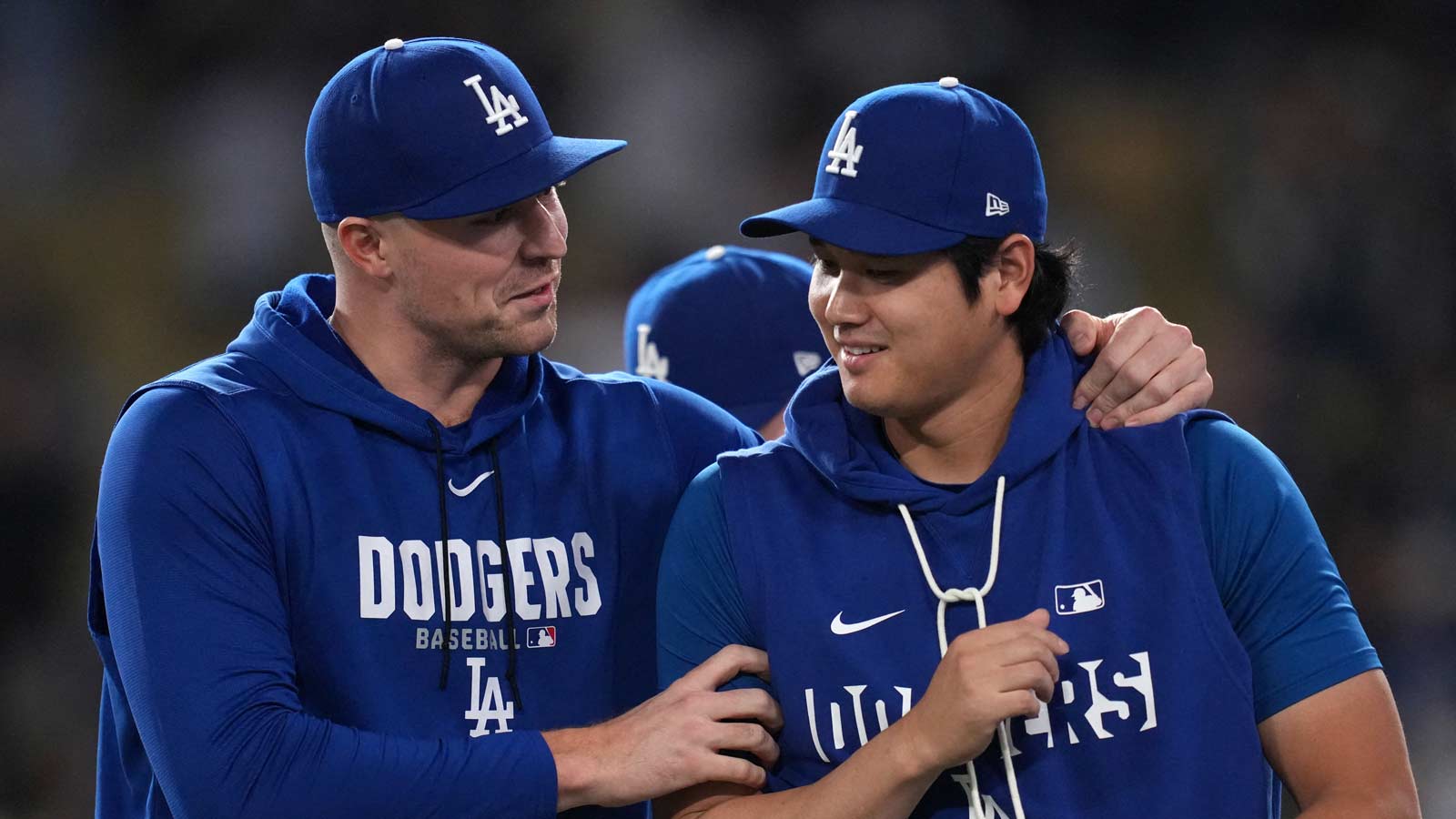
The Los Angeles Dodgers, New York Mets, Toronto Blue Jays and San Diego Padres are among the teams being linked to Tarik Skubal in MLB free agency this offseason. Meanwhile, fans of small market ball clubs such as the Pittsburgh Pirates, Cleveland Guardians, Kansas City Royals and others know their favorite team has virtually no chance of signing the superstar.
Pro-salary cap people will argue that it's because their owners don't spend enough money. It's a fair argument, but why wouldn't the Dodgers simply out-spend a small market ball club since, well, they can? Owners not spending enough money is a problem on its own — which is why a salary floor is crucial — but even if smaller market ball clubs spend more, they wouldn't be able to compete with Los Angeles and New York in free agency.
A salary cap would solve that issue.
Imagine a world where the Guardians, Pirates and Royals are all serious suitors for Skubal. Wouldn't that be something? Or in the case of the Rays and Brewers, they wouldn't have to strictly rely on out-smarting every other team. Sure, their impressive approach to roster building would remain an important asset, but they'd also be able to bring in legitimate superstars in free agency.
The competitive balance argument from a wins and losses standpoint can be argued, but even those who absolutely hate the salary cap/floor idea have to admit that MLB free agency currently has serious issues.
The LeBron James example
Article Continues Below
Another example I like to use is LeBron James' situation in the NBA. LeBron was drafted first overall by the Cleveland Cavaliers. He chose to depart for Miami to join the Heat in NBA free agency, but Cleveland had a real opportunity to re-sign him. LeBron later returned to Cleveland and led the Cavs to a championship.
Now, imagine a similar situation in MLB. We'll stick with Cleveland for this example. Say the next baseball phenom emerges in an upcoming draft and the Guards have the No. 1 overall pick. In all reality, that player would reach the big leagues, become a star, make a few All-Star games, and then get traded four-to-six years into his time with the Guardians since Cleveland knows a contract extension won't happen.
That player would likely enter free agency and end up signing with New York, LA, Philadelphia or another big market on a contract Cleveland could never realistically offer. Sure, Jose Ramirez is an exception, but he took far less money to remain in Cleveland. Francisco Lindor is a better example here. The Guardians traded him to the Mets before he became a free agent and the shortstop ended up signing a massive contract extension with New York.
If LeBron James happened to be a star MLB player, there wouldn't be a world in which he'd return to Cleveland in his prime unless he was willing to take a jaw-dropping pay drop. In the NBA, he didn't have to do that.
Final message

The people against a salary cap and floor in MLB need to understand that the game is broken as currently constructed. Teams have to take different approaches to winning, and free agency is extremely boring for many ball clubs around the sport. Change is needed. Shouldn't every ball club have the same opportunities in free agency?
The reality of the situation is that players will still make millions regardless of whether or not a cap and floor are added. The billionaire owners will still be billionaires.
Some have argued that the owners simply want a salary cap because it would give them more money. Are owners legitimately considering the financial element? Sure, but that isn't a good argument against a salary cap and floor. The floor would force many owners to spend more than they do while a cap would keep teams like the Mets and Dodgers from throwing around comically large contracts like they are no big deal.
It's time for a salary cap and floor in baseball. Anything less will be a failure for the game.