

The Detroit Lions entered the 2026 NFL Trade Deadline looking like legitimate Super Bowl contenders. They had won four straight. Jared Goff was distributing the football efficiently. Their defense was finding its rhythm. General manager Brad Holmes also made a move to acquire safety Andre Cisco from the New York Jets. It was a sensible addition, but it did not address the roster's most pressing weakness. Detroit's biggest mistake was failing to add another dependable boundary cornerback. With DJ Reed sidelined, the Lions may have left their championship hopes vulnerable on the perimeter.
Grit and grind
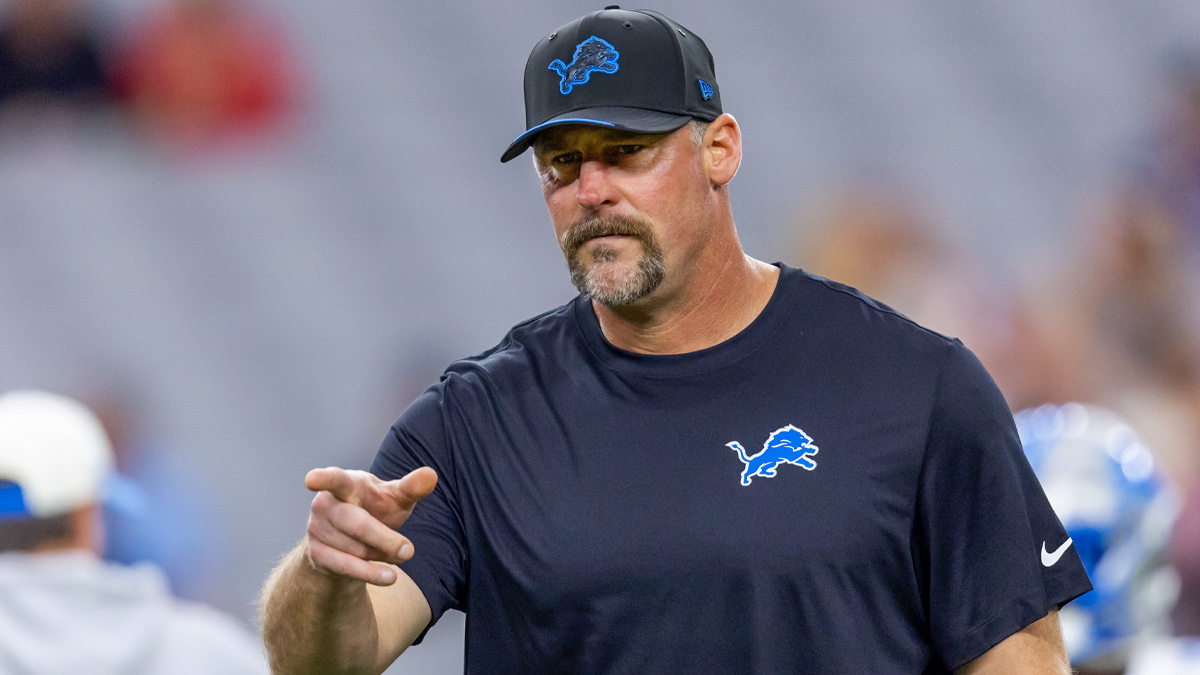
Detroit's 2026 season has been a masterclass in grit and offensive adaptability. After an uneven opening stretch that included a divisional loss in Minnesota and a difficult home defeat to Atlanta, Dan Campbell's team steadied itself with a run of victories. Goff has operated efficiently, leaning on Amon-Ra St. Brown. Jahmyr Gibbs has given the offense a dangerous ground dimension. Under defensive coordinator Kelvin Sheppard, the front seven has tightened against the run. Aidan Hutchinson has provided consistent pressure off the edge. Still, injuries have tested the secondary, particularly with Kerby Joseph unavailable for much of the season. The winning streak has masked a fragile boundary cornerback rotation. That concern has been made more urgent by Reed's hip injury.
Dangerously exposed
Acquiring Cisco was a smart piece of business. Detroit sent a 2028 sixth-round pick to the Jets for a versatile and experienced safety. His arrival gives Sheppard another option while Joseph works his way back. Cisco's familiarity with Detroit's defensive system should help him contribute quickly. The move, though, did not solve the Lions' most obvious secondary problem: dependable outside cornerback depth.
Reed has been Detroit's top boundary defender. Roger McCreary has brought toughness and flexibility to the coverage rotation. Behind them, however, the options are less reassuring. Rock Ya-Sin and Ennis Rakestraw Jr. have been asked to shoulder larger responsibilities. The margin for error shrinks when opposing offenses can isolate them against elite receivers. Reed's absence against New England underlined the concern. He missed the trip to Munich with a hip injury.
Cisco can help stabilize the back end. That said, a safety cannot consistently erase problems created outside. If a cornerback loses at the line or allows a receiver to win vertically, the safety is often forced to provide help rather than make plays elsewhere. That limits the defense's flexibility. It also opens opportunities underneath. Detroit needed another corner capable of surviving isolated coverage. They did not get it.
NFC arms race
Holmes has defended the team's approach by pointing to improved coverage numbers since Week 5. He also pointed to the lack of attractive cornerback options on the trade market. There is some merit to that argument. Detroit's recent pass-defense metrics improved. Holmes also said the front office checked on available players but did not find someone worth the required investment.
However, those numbers deserve context. The Lions faced several offenses dealing with quarterback instability or other limitations during that stretch. Improved results are encouraging. However, they do not necessarily prove that the cornerback room can hold up against the league's most dangerous passing attacks. The postseason will bring quarterbacks and receivers capable of exploiting even a brief coverage breakdown.
The NFC North alone presents a demanding challenge. Green Bay can attack defenses through Jordan Love's passing game. Chicago has dynamic perimeter weapons in Rome Odunze and Luther Burden III. Minnesota also has the personnel to stretch a secondary horizontally and vertically. Detroit cannot assume its current rotation will survive every matchup simply because it has performed adequately in recent weeks.
Paying a high price
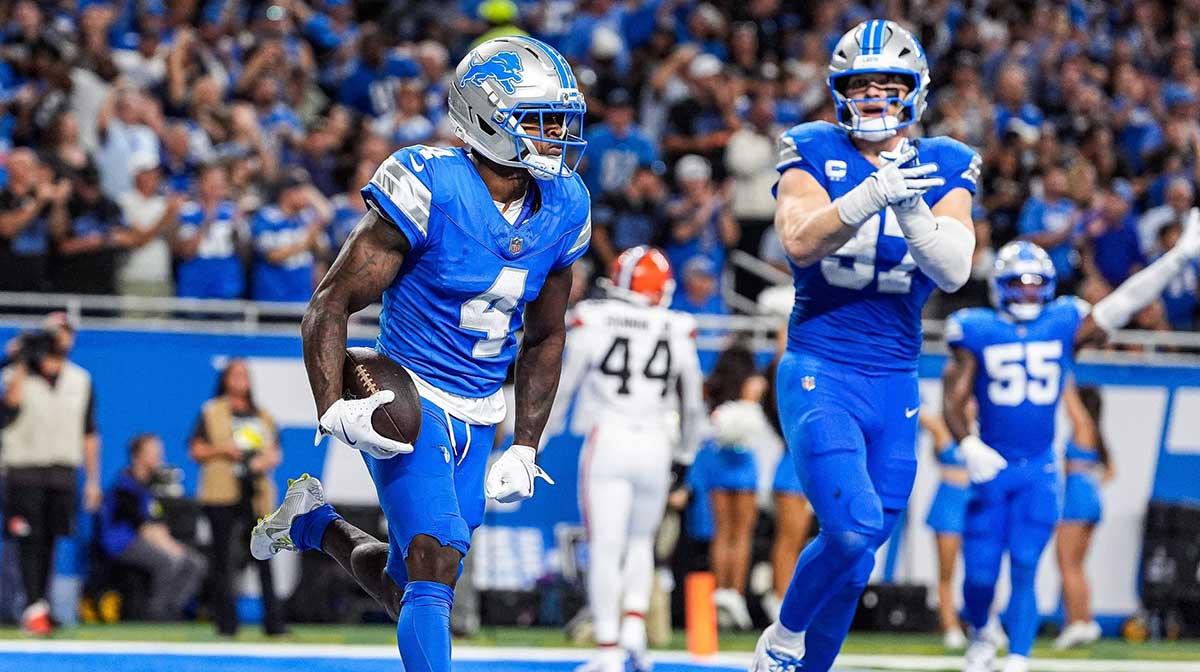
Holmes has earned considerable trust through his drafting and roster construction. The Cisco trade itself was evidence of targeted, cost-conscious team building. That said, preserving future picks is not automatically the right decision when a championship window is open. A proven outside corner could have justified spending more than a late-round selection.
Detroit needed a cornerback who could provide credible snaps and give Sheppard more options in high-leverage situations. Cisco is a useful addition, but he cannot shadow elite boundary receivers on third-and-long.
The Lions remain dangerous, of course. Their four-game winning streak is no accident. Yet the trade deadline was an opportunity to address a vulnerability before it became a postseason problem. By adding safety help without adequately strengthening the outside cornerback rotation, Detroit may have left its most important defensive question unanswered.