
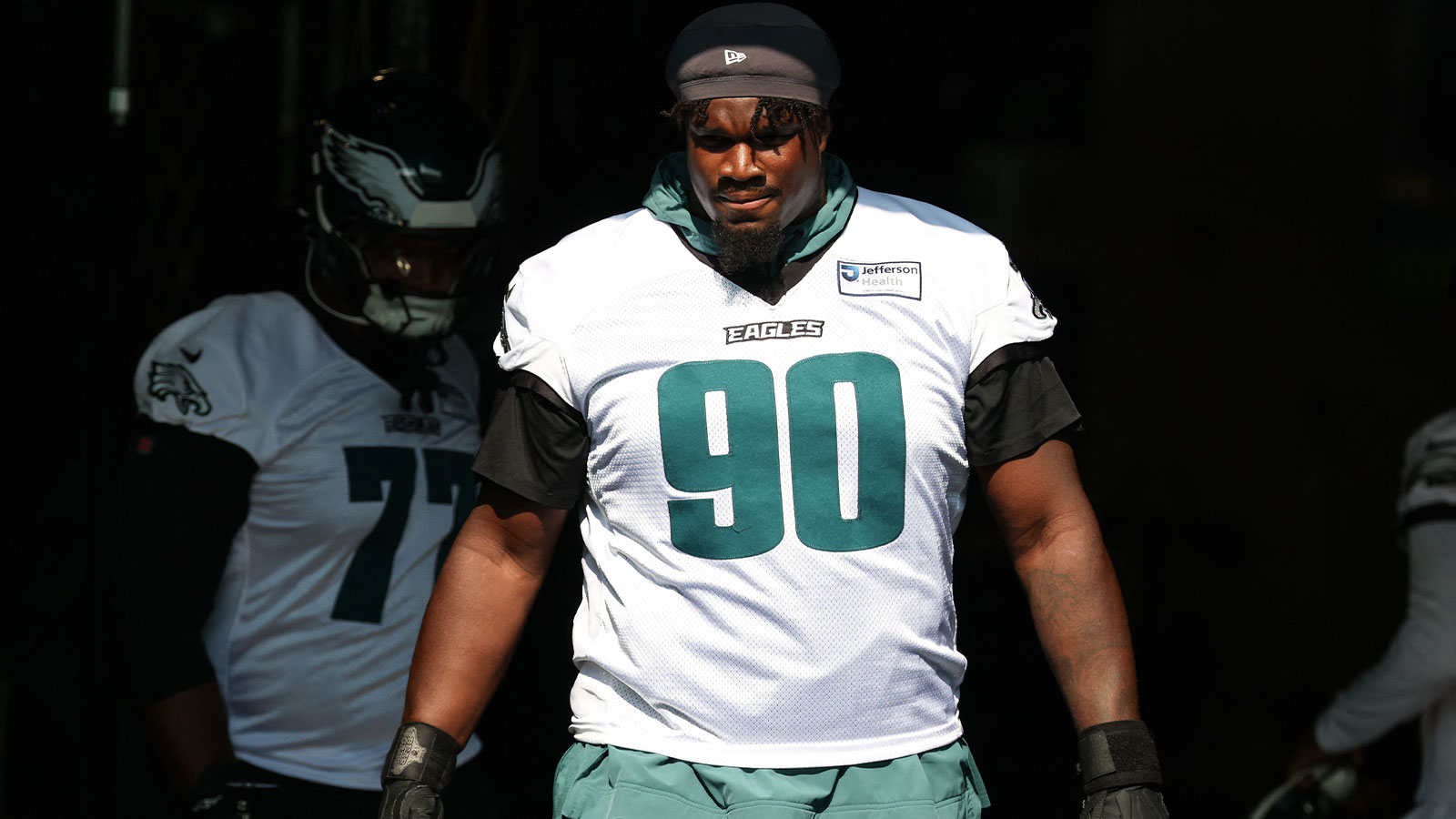
The Jacksonville Jaguars emerged from the 2026 NFL trade deadline as one of the league's most aggressive buyers, acquiring defensive tackle Jordan Davis and safety Jessie Bates III despite facing significant competition from the Buffalo Bills. According to ESPN's Adam Schefter and Ian Rapoport, both AFC contenders pursued the former Eagles and Falcons defenders before the Jaguars finalized their deals.
General Manager James Gladstone gave up a 2027 first-round pick and a 2029 second-rounder for Davis, while Bates cost the team a 2027 second-round selection and a 2028 fifth-round pick. Additionally, Jacksonville acquired Davon Godchaux from New Orleans, completing an extensive overhaul of their defense.
These moves strengthened a team that improved to 7-2 following a 40-23 victory over Tennessee, but Jacksonville's biggest error was paying a high premium for Davis, committing valuable draft capital to a position they had already addressed through a much cheaper acquisition.
Jaguars paid too much to acquire Jordan Davis
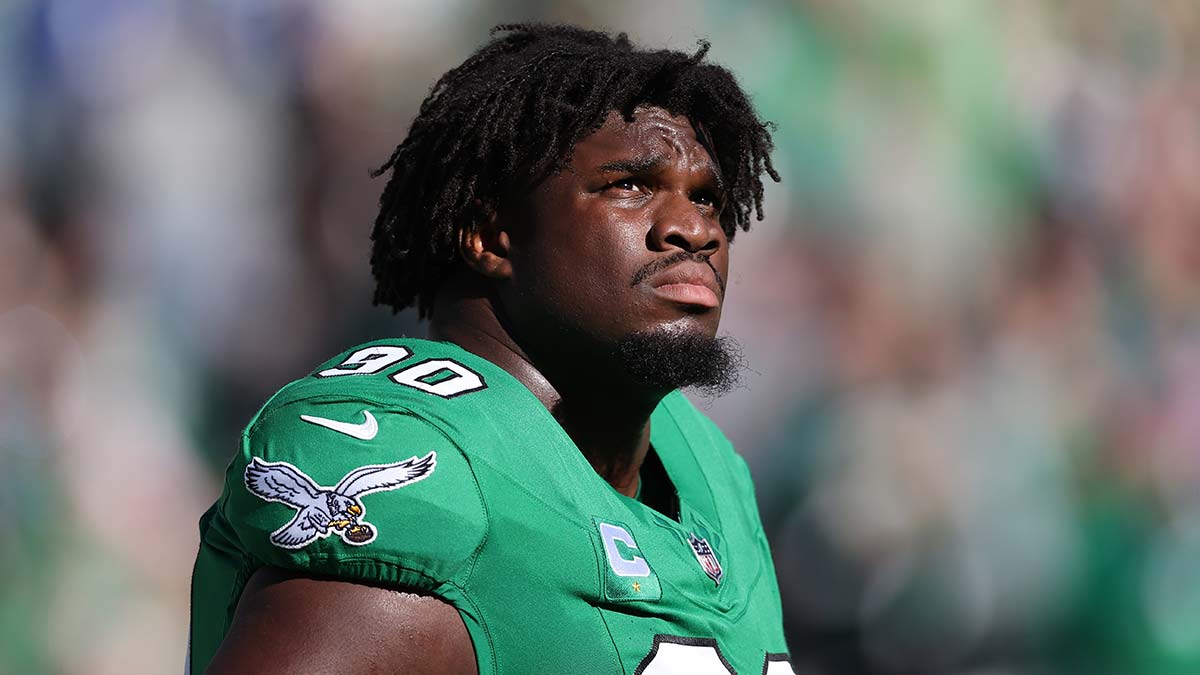
Jacksonville had valid reasons to seek defensive reinforcements after losing starting defensive tackle DaVon Hamilton to a season-ending injury. Hamilton's absence posed a significant challenge for defensive coordinator Anthony Campanile, as he was responsible for occupying blockers and maintaining discipline against opposing rushing attacks. Davis has the physical attributes needed to fulfill this role, having proven himself as a strong interior defender during his time with Philadelphia. As a former first-round selection, he brings championship experience and exceptional strength, which gives Jacksonville another player capable of controlling the line of scrimmage alongside Arik Armstead.
His addition should enhance the defense, but the compensation provided creates expectations that go beyond merely replacing an injured starter. Davis joined Jacksonville after recording 31 tackles, 1.5 sacks, and three quarterback hits in nine appearances for Philadelphia this season. While those numbers don’t fully reflect his impact against the run, they indicate that he has not consistently generated the pass-rushing production normally associated with some of the NFL's highest-paid interior defenders.
The situation is further complicated by his contract. Philadelphia signed Davis to a three-year, $78 million extension in March, which includes $65 million guaranteed, and that agreement gives Jacksonville contractual control beyond this season, but it also represents a significant investment in a position where the organization already has experienced contributors.
Davis may turn out to be an outstanding addition, but surrendering both a first-round pick and a future second-rounder greatly increases the stakes if his performance does not meet the expectations set by this investment. For a franchise aiming to establish sustained championship contention, maintaining access to affordable young talent remains crucial.
Davon Godchaux offered Jacksonville a more affordable solution
The most intriguing aspect of Jacksonville's trade strategy is their decision to acquire two defensive tackles on the same day. Godchaux arrived from New Orleans in exchange for a conditional sixth-round selection, providing immediate experience without requiring the team to give up a premium draft asset. With 487 tackles over 145 NFL games, he has built a reputation as a reliable interior defender capable of handling blocking assignments.
While Godchaux may not have the same potential as Davis, he brings qualities that directly address the absence of Hamilton. He was integrated into Jacksonville's lineup right away, playing against Tennessee while Davis and Bates were inactive.
The Jaguars managed to defeat the Titans despite resting their two highest-paid acquisitions, demonstrating that the existing defensive personnel could still perform effectively, but this victory does not prove that Davis was unnecessary, especially considering that Tennessee entered the game with one of the least productive offenses in the league. Nonetheless, the outcome shows why Jacksonville could have approached the defensive tackle market more cautiously. Armstead is still an experienced interior contributor, and Josh Hines-Allen and Travon Walker provide established talent along the defensive front.
Adding Godchaux to this group would have addressed an immediate weakness without significantly hindering the team’s ability to strengthen other positions in future offseasons. Instead, Gladstone chose to make another major investment, creating an unusually high-cost solution to a problem that could have been managed with greater rotational flexibility, and while this decision might ultimately enhance Jacksonville's championship chances, its financial and draft implications require much closer examination than the individual talent of the player acquired.
Jessie Bates III was a more understandable investment
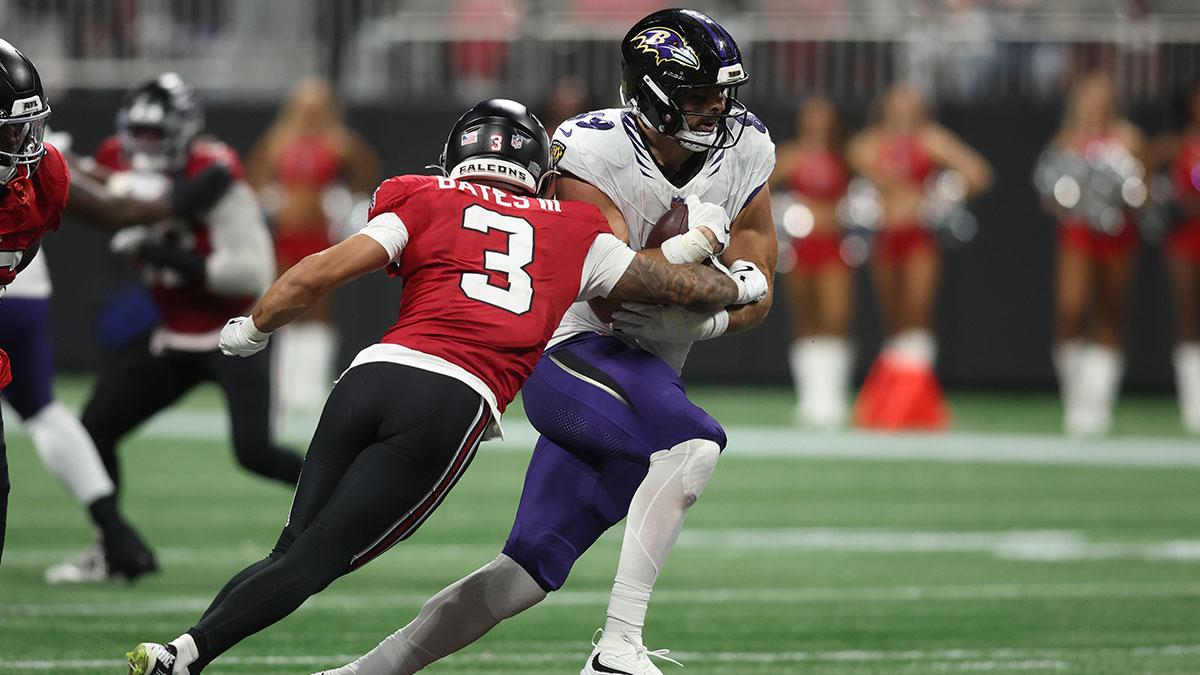
Jacksonville's acquisition of Bates involved significant compensation, although the circumstances of the transaction were different from usual. The Jaguars lost Eric Murray to a season-ending elbow injury, creating an immediate need at safety that couldn’t be easily addressed with their existing players. Bates offers an experienced replacement, having recorded 28 interceptions and 14 forced fumbles throughout his NFL career. His presence should complement Antonio Johnson, providing Campanile with a seasoned defender who can recognize offensive formations and create turnovers. Jacksonville surrendered a second-round pick in 2027 and a fifth-round pick in 2028 to acquire Bates, which is a considerable price for a veteran nearing free agency.
However, Bates fills a crucial role in a defense that relies on strong communication and disciplined coverage assignments, as the acquisition highlights the team's immediate need and the compensation they were willing to give up. Gladstone will still need to determine whether the organization can retain Bates beyond this season, especially after committing significant resources to other areas of the defense. So, the challenge is compounded because Jacksonville no longer has its first two selections in the 2027 draft.
The Jaguars have effectively traded two opportunities to acquire promising young prospects for established defenders expected to make an immediate impact. While this strategy can be justified during a championship window, the organization must ensure that these investments do not hinder its ability to maintain a competitive roster in the future.
Jacksonville sacrificed too much future flexibility
The Jaguars' willingness to pursue Davis and Bates demonstrates their confidence in their ability to compete against the strongest teams in the AFC. Trevor Lawrence has been consistently productive at quarterback, while the defense has shown enough improvement to support Jacksonville's championship ambitions. Sunday's victory over Tennessee further solidified the team's position atop the AFC South, extending their winning streak to three games. Jacksonville now enjoys a significant divisional advantage, shifting their focus to preparing for postseason opponents rather than merely addressing weaknesses revealed during the regular season.
So, this explains Gladstone's aggressive approach, especially with Buffalo reportedly competing for both major acquisitions, as the Bills strengthened their own defense by acquiring safety Amani Hooker, indicating they are also willing to invest significant resources before the deadline, but the competition among contenders does not necessarily justify giving up additional draft capital.
Jacksonville must continue to build around Lawrence while preparing for the financial implications of expensive veteran contracts.