
Cricinfo staff
Published: Nov 10, 2026, 8:40 AM (10 mins ago)
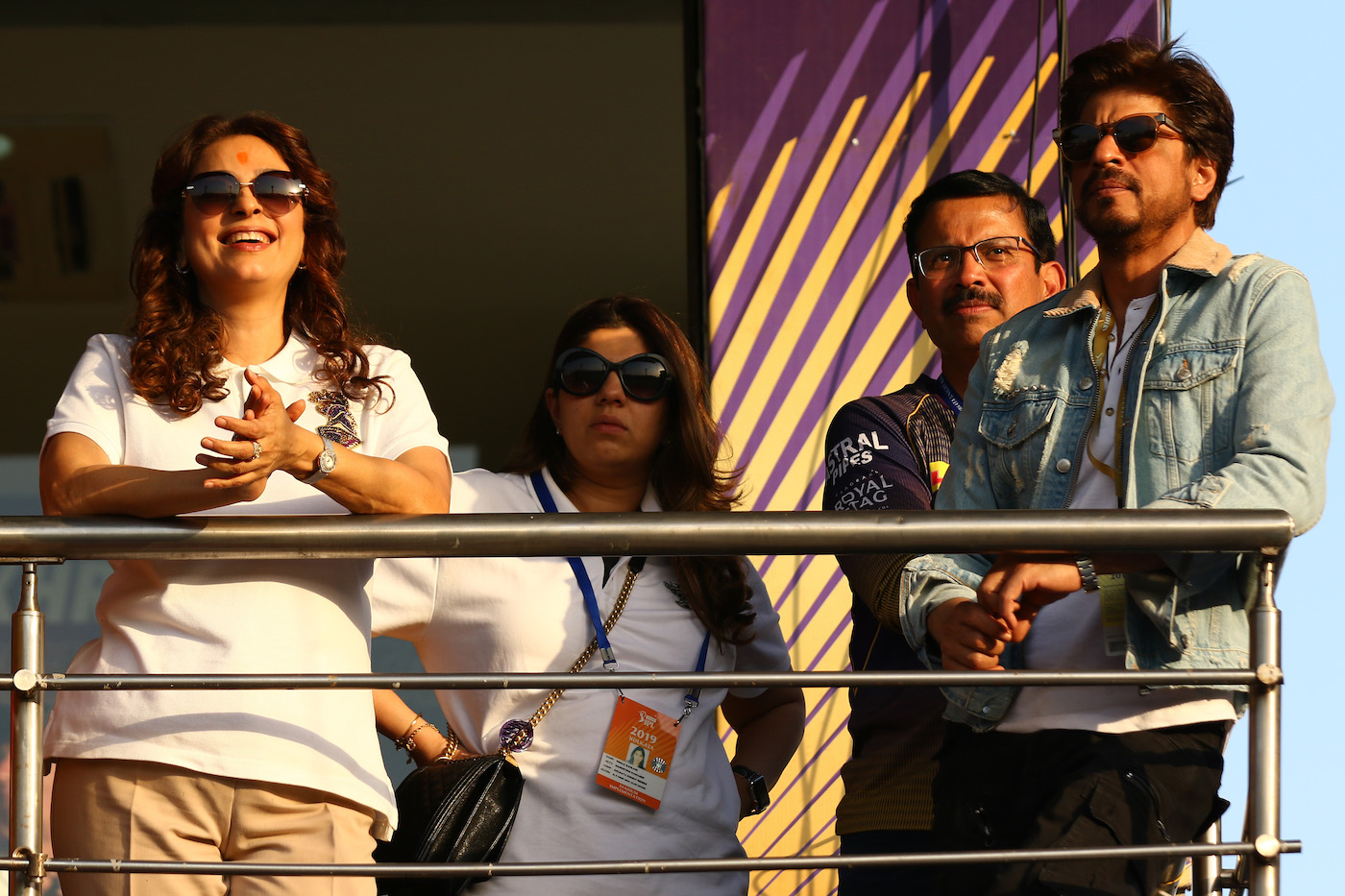
Juhi Chawla, co-owner of the Knight Riders franchise, doesn't want the IPL to be played in the early summer months - March to May, typically - and instead move to the cooler part of the year in January. "The IPL no longer needs to find its place in the cricket calendar. It has earned the right to influence it," she posted on X (formerly Twitter) on Monday, and found at least one supporter in Lalit Modi, the first chairman of the tournament.
"Why keep playing the biggest cricket tournament on the planet in the harshest heat? And if the calendar is being reconsidered, why not January instead of April-May? Better conditions. Better cricket. A better experience for everyone overall," Chawla wrote. "The IPL has evolved. Perhaps its calendar should too now!"
While there has been no formal talk of moving the IPL calendar, Modi has spoken about it in the past.
Modi, credited for being the architect of the IPL but later expelled from the league and the BCCI for "committing acts of serious misconduct and indiscipline", agreed with Chawla's suggestion.
"The IPL does not need the ICC to give it a window. The IPL is a domestic tournament owned and operated by the BCCI. The BCCI can decide when to stage it," Modi wrote on his social media handles. "Of course, international commitments and player releases must be managed, but that is entirely different from seeking permission to exist in a particular part of the calendar.
"And here is the bigger point. The IPL is no longer a tournament trying to find its place in world cricket. World cricket must recognise the place the IPL has already earned."
The IPL has traditionally been played in the March to May (or early June) window, but there were tweaks in the Covid-19 years: 2020 and 2021.
"Now imagine the IPL choosing its own optimal calendar," Modi wrote. "Others may try to counter-programme it. They are free to do so. But commercial reality is a very unforgiving umpire. The world's leading cricketers understand where the financial opportunities are. For many international players, an IPL contract can represent a substantial proportion of their annual cricket earnings. That economic gravity is not going away.
"The IPL has become to cricket what the English Premier League is to football: a global sporting and commercial powerhouse with the ability to shape the wider ecosystem. And like the EPL, its strength comes from the product, the clubs, the supporters, the talent and the commercial model - not from asking competing competitions to clear the calendar."
Modi offered two suggestions for the window: "My proposal is to seriously examine moving the IPL from the increasingly punishing April-May heat, with two alternatives: a January start or a carefully structured October-April competition calendar. The objective should be a commercially sustainable expansion, better playing conditions, more valuable broadcasting inventory and a stronger long-term economic foundation for Indian cricket.
"The BCCI has the asset. It has the audience. It has the commercial strength. It needs the confidence to use them.
"The ICC and other cricket boards should recognise the economic reality and work constructively around it. The IPL cannot be expected to subsidise an outdated global calendar indefinitely. The writing has been on the wall. Unfortunately, some people only read it when it appears on a balance sheet.
"You cannot run tomorrow's cricket on yesterday's economics."