
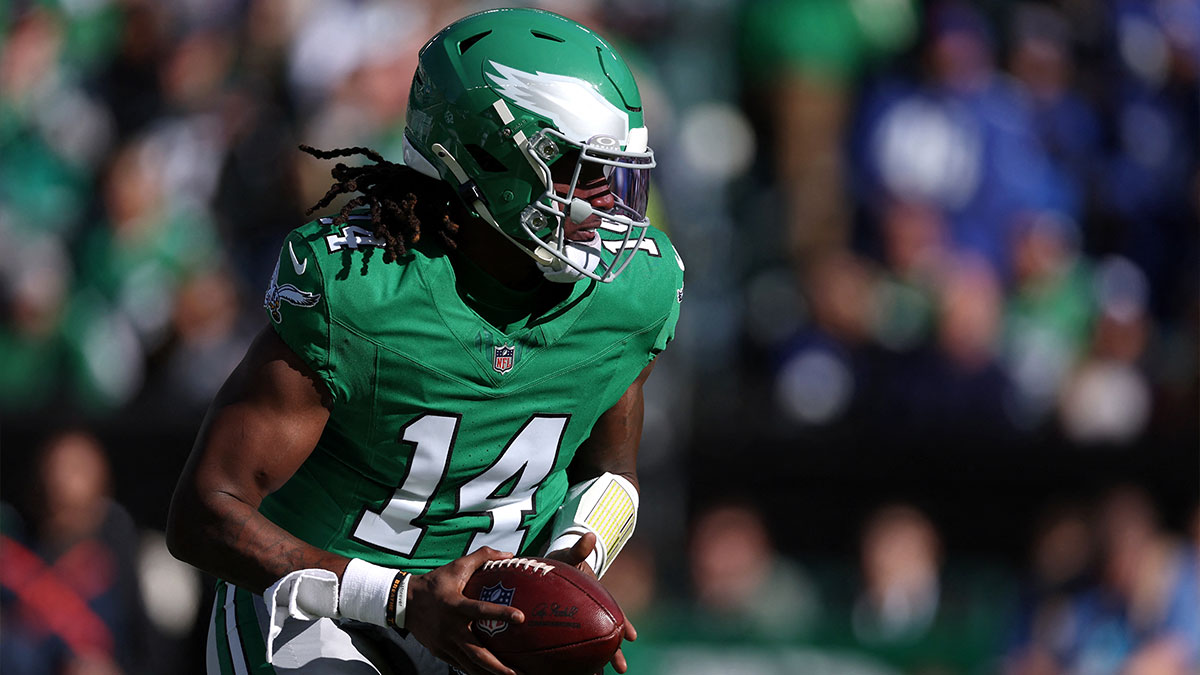
The Philadelphia Eagles changed quarterbacks, but the offense remained broken. Sunday’s 19-11 loss to the New York Giants extended Philadelphia’s losing streak to seven games, dropped its record to 2-7 and left the organization facing uncomfortable decisions before Tuesday’s trade deadline.
Joe Milton’s first NFL start produced occasional flashes, not a turnaround. Philadelphia struggled to protect him, sustain drives or create enough scoring opportunities to reward a defense that recorded six sacks.
The greatest share of the blame belongs to Nick Sirianni and offensive coordinator Sean Mannion, followed by the offensive line. Milton also deserves scrutiny, but making the newcomer the primary scapegoat would ignore the problems surrounding him.
Joe Milton and the receivers missed their opportunities
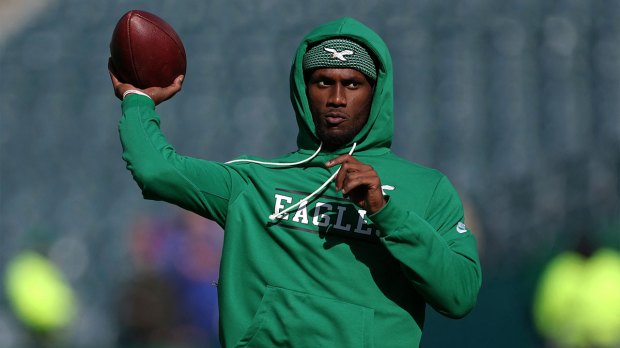
Milton completed 18 of 34 passes for 169 yards without a touchdown or interception. He added 64 rushing yards, showing enough mobility to generate offense when conventional plays stalled.
However, his debut also included a false start on Philadelphia’s opening offensive play and a miscommunication with Darius Cooper on an unsuccessful third-down pass. Milton later acknowledged that the protection needed to slide toward Reese on the strip-sack.
His receivers offered insufficient support, dropping four passes. Those mistakes were particularly costly for an offense already struggling to assemble productive possessions.
Nick Sirianni and Sean Mannion failed to simplify the offense
Sirianni owns the overall product, and another quarterback change failed to solve Philadelphia’s recurring offensive dysfunction.
The Eagles have now struggled to sustain drives with Jalen Hurts, Tanner McKee and Milton operating the offense. That consistency across different quarterbacks points toward a broader problem with execution, protection and offensive structure rather than one player’s limitations.
Mannion’s situational decisions deserve particular criticism. On an important fourth-and-1, Philadelphia aligned Milton in the shotgun and handed the ball to Saquon Barkley on a slow-developing run-pass option. The call invited disruption when the Eagles needed a direct, decisive answer.
The second-half stagnation was even more revealing. Philadelphia did not record its first first down after halftime until Milton found Dallas Goedert for 19 yards with just over eight minutes remaining in the fourth quarter.
With an inexperienced starter, the staff needed to establish manageable situations and dependable answers against pressure. Instead, the offense repeatedly reached moments requiring Milton to overcome breakdowns rather than operate within a stable plan.
The offensive line made a difficult debut worse
Seven sacks for 41 lost yards provide the clearest snapshot of Philadelphia’s protection failures. Giants rookie linebacker Arvell Reese recorded three sacks, repeatedly disrupting an offense that never established comfortable timing.
The most damaging breakdown came when Reese rushed unblocked off the left edge and strip-sacked Milton. Micah McFadden recovered at midfield, turning a protection failure into a lost possession.
Not every sack belongs exclusively to the linemen. Quarterback recognition, protection calls and receiver adjustments all matter. Still, repeated pressure has affected multiple Eagles quarterbacks, making it impossible to dismiss Sunday’s performance as merely Milton holding the ball too long.
The blocking problems also limited the usefulness of Philadelphia’s offensive weapons. A quarterback cannot consistently progress through reads while managing immediate pressure, and an attack cannot maintain rhythm when negative plays keep resetting its down-and-distance situation.
Before considering another skill-position addition, the Eagles need to confront that foundational weakness.
With the trade deadline arriving Tuesday at 4 p.m. ET, Philadelphia should resist treating one acquisition as a cure. Sirianni and Mannion must first produce a functional offense; otherwise, changing personnel simply gives the same problems another name.